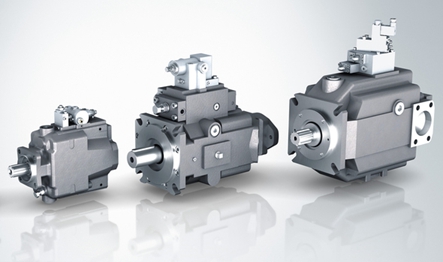
5 Easy Ways to Maintain Your Hydraulic Pumps Like a Pro!

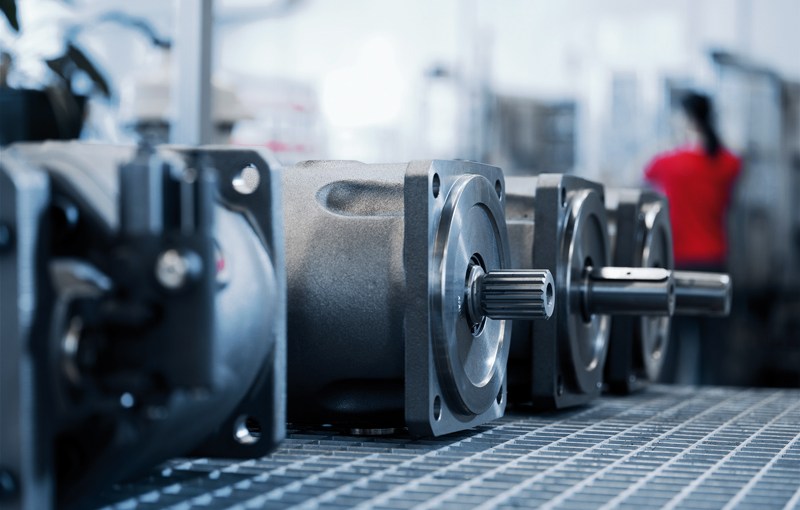
Hydraulic pumps play a crucial role in various industries, from construction and manufacturing to agriculture and transportation. These powerful machines are essential for converting mechanical power into hydraulic energy, enabling the smooth operation of a wide range of equipment.

To keep your Hydraulic Pumps running efficiently and extend their lifespan, proper maintenance is key.

Explore five easy ways to maintain your hydraulic pumps like a pro:

  1. Regular Inspection is the Key

Inspecting your hydraulic pumps regularly is the first step in ensuring their optimal performance. Look for any signs of leaks, unusual noises, or changes in performance. Check the fluid levels and quality, as contaminated or insufficient hydraulic fluid can lead to pump failure.

Addressing minor issues early can prevent major breakdowns and save you both time and money in the long run.
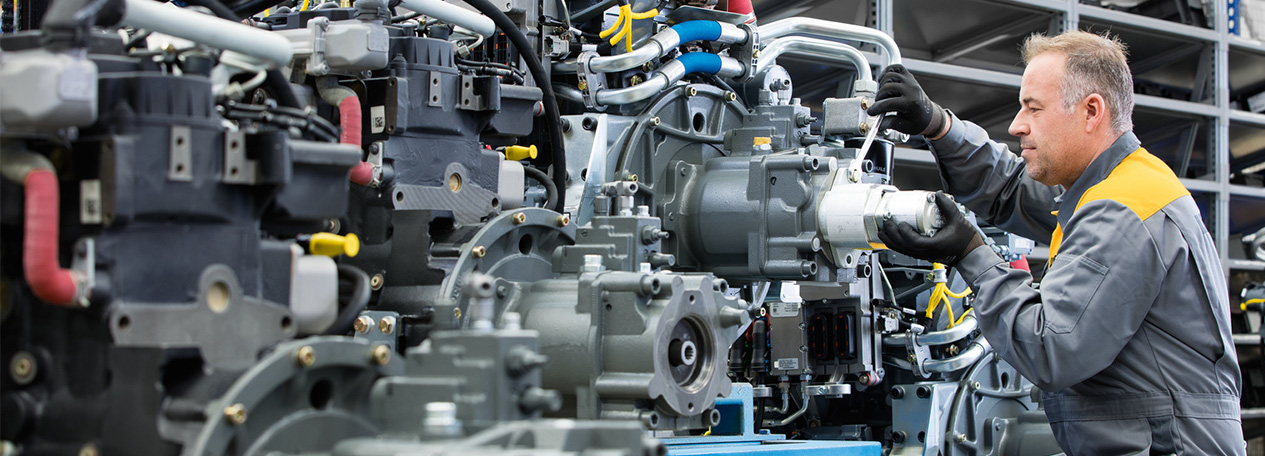
  1. Keep It Clean

Maintaining a clean environment around your hydraulic pumps is essential. Dust, dirt, and debris can find their way into the system, causing damage to internal components. Use compressed air or a vacuum to remove any contaminants from the pump’s exterior.

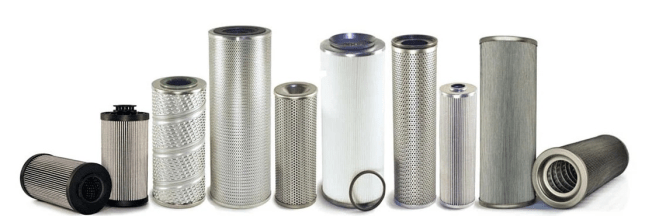
Additionally, make sure to keep the hydraulic fluid clean and free from impurities by using high-quality filters and changing the fluid at recommended intervals.

  1. Lubrication is Vital

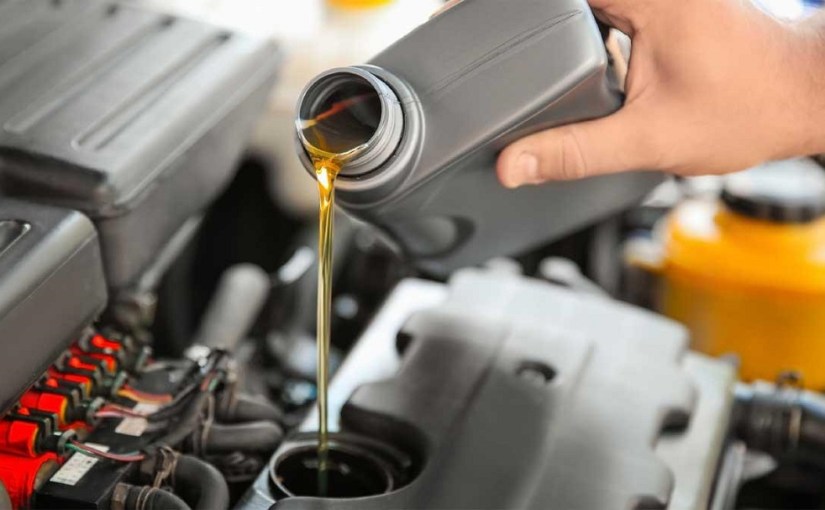
Proper lubrication is critical for the smooth operation of hydraulic pumps. Check the manufacturer’s guidelines to ensure you’re using the correct type of lubricant and applying it at the recommended intervals. Insufficient lubrication can lead to increased friction, wear, and even pump failure.

Remember to replace any worn-out parts and seals during routine maintenance to avoid leaks and ensure the pump’s longevity.

  1. Monitor Operating Conditions

Monitoring the operating conditions of your hydraulic pumps can help you detect potential issues early on. Keep an eye on the temperature and pressure levels regularly. Unusual spikes or drops in these parameters can indicate underlying problems.

If your equipment is frequently operating at extreme conditions, consider installing additional cooling or heating systems to maintain a stable environment for your hydraulic pumps.

  1. Train Your Operators

Often overlooked, proper training for your equipment operators is essential for maintaining hydraulic pumps effectively. Make sure your staff understands the importance of regular maintenance and knows how to identify warning signs.

Teach them the correct procedures for handling hydraulic systems, including startup and shutdown routines, to avoid unnecessary strain on the pumps.

Conclusion

Taking care of your hydraulic pumps doesn’t have to be a complex task. By following these five easy ways, you can maintain your hydraulic pumps like a pro!

Regular inspections, cleanliness, lubrication, monitoring, and well-trained operators will ensure your pumps operate smoothly, efficiently, and have a longer lifespan. Remember, preventative maintenance is always more cost-effective than dealing with unexpected breakdowns.

Investing time and effort in maintaining your hydraulic pumps will not only save you money but also boost productivity and minimise downtime in the long run.

So, take charge of your hydraulic pump maintenance today and enjoy the benefits of reliable and efficient equipment for years to come.

Source – https://hydraulic-filter.blogspot.com/2023/08/5-easy-ways-to-maintain-your-hydraulic.html

How Hydraulic Solenoid Valves Enhance System Control and Efficiency

If you’re a tech enthusiast or someone curious about the inner workings of machinery, then you’re in for a treat. In this article, we’ll dive into the world of hydraulic systems and explore the incredible impact solenoid valves bring to these setups.

Get ready to discover how these little powerhouses enhance performance, increase precision, and unlock a whole new efficiency level.

So, buckle up as we take you on an exciting journey through the wonders of hydraulic solenoid valves!

How Solenoid Valves Enhance System Control

Solenoid valves are an essential part of hydraulic systems, providing control over the flow of fluid. By regulating the flow of fluid, solenoid valves can enhance system performance and efficiency.

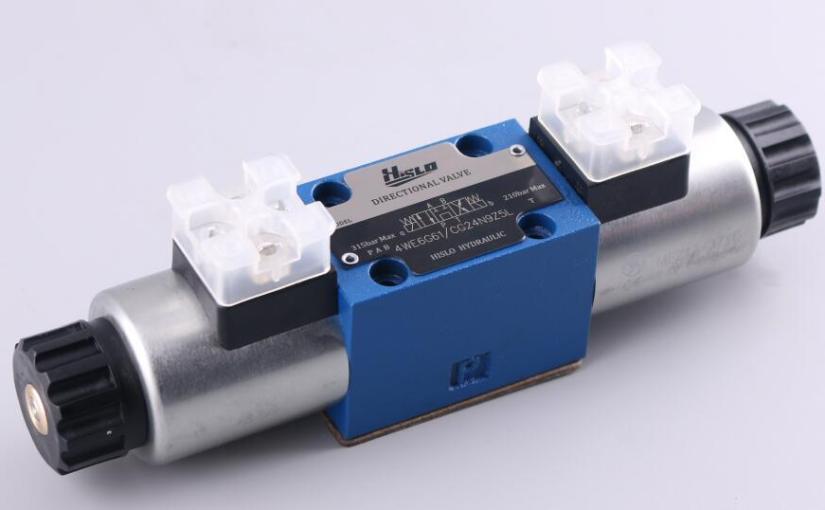
Solenoid valves work by using an electromagnet to open and close a valve. When the electromagnet is energised, it creates a magnetic field that opens the valve. When the electromagnet is de-energised, the magnetic field is removed and the valve closes. This simple on/off operation allows for precise control over the flow of fluid.

Hydraulic systems rely on fluid pressure to operate. By controlling the flow of fluid with a solenoid valve, you can control the pressure in the system. This can be used to maintain consistent pressure or to make adjustments as needed.

Solenoid valves can also be used to regulate the flow of fluid in multiple directions. This allows you to route fluid through different sections of a system as needed. This can be used to optimise system performance or to troubleshoot issues. For some great options for solenoid valves, you can Visit Website

Solenoid valves are an essential part of hydraulic systems, providing enhanced system control and efficiency.

Applications of Hydraulic Solenoid Valves

Hydraulic solenoid valves have a wide range of applications, from controlling the flow of fluids in hydraulic systems to regulating the pressure and direction of fluid flow. By using hydraulic solenoid valves, manufacturers can create a variety of system designs that offer enhanced control and efficiency.

Some common applications for hydraulic solenoid valves include:

Controlling fluid flow: Hydraulic solenoid valves can be used to control the flow of fluids in hydraulic systems. This includes regulating the pressure and direction of fluid flow. By controlling the flow of fluids, manufacturers can ensure that components are properly lubricated and cooled, and that system pressures are maintained within safe limits.

Regulating fluid pressure: Hydraulic solenoid valves can be used to regulate the pressure of fluid flowing through a system. This is important in ensuring that system components are not damaged by excessive pressure. By regulating fluid pressure, manufacturers can also reduce wear on system components, which can improve system reliability and longevity.

Directing fluid flow: Hydraulic solenoid valves can be used to direct fluid flow in a desired direction. This is important in ensuring that system components are properly lubricated and cooled, and that system pressures are maintained within safe limits. By directing fluid flow, manufacturers can also reduce wear on system components, which can improve system reliability and longevity.

Conclusion

In conclusion, hydraulic solenoid valves are an essential component of any system that needs reliable and precise control. Not only do they provide accurate and consistent fluid flow, but they also improve the efficiency of your system. Additionally, their versatility allows them to be used in a variety of applications ranging from medical to industrial settings. As technology advances, so too will the capabilities of these versatile valves. By staying informed on the latest advancements in hydraulic solenoid valve technology, you can ensure that your systems perform optimally for years to come.

Source – https://businessblogs.joomla.com/how-hydraulic-solenoid-valves-enhance-system-control-and-efficiency.html

Unlock The Power: Things To Know About Hydraulic Pumps

Have you ever wondered how heavy machinery and equipment are able to effortlessly lift, move, or press with incredible force?

The secret lies in the power of hydraulic pumps. These fascinating devices play a crucial role in various industries, enabling efficient and powerful Hydraulic Pumps Systems For Sale. In this blog post, we’ll dive into the world of hydraulic pumps, exploring their functionality, applications, and why they are so vital in today’s modern world.

Hydraulic pumps are mechanical devices designed to generate flow and pressure within a hydraulic system. They convert mechanical power into hydraulic energy, creating force that can be used to move fluids or operate hydraulic machinery. These pumps are an integral part of hydraulic systems, which are widely utilized in industries such as construction, manufacturing, agriculture, and more.

Hydraulic Pumps

Types of Hydraulic Pumps

Hydraulic pumps come in different types, each offering unique advantages and suited for specific applications. Let’s explore some common types of hydraulic pumps:

  1. Gear Pumps
  • Functionality: Gear pumps utilize meshing gears to create flow. As the gears rotate, they create a vacuum that draws fluid in and then pushes it out under pressure.
  • Advantages: Gear pumps are simple in design, compact, and cost-effective. They are suitable for low to medium pressure applications and provide a consistent flow rate.
  1. Vane Pumps
  • Functionality: Vane pumps feature a rotating impeller with vanes that slide in and out of slots within the pump’s housing. This creates chambers that draw in and expel fluid.
  • Advantages: Vane pumps offer high efficiency, low noise levels, and excellent self-priming capabilities. They are commonly used in medium-pressure Hydraulic Cylinders Systems.
  1. Piston Pumps
  • Functionality: Piston pumps use reciprocating pistons to move fluid. The pistons are driven by a rotating swashplate or an eccentric cam, creating pressure and flow.
  • Advantages: Piston pumps are known for their high efficiency, precision control, and ability to handle high-pressure applications. They are widely used in heavy-duty hydraulic systems.

Applications of Hydraulic Pumps

Hydraulic pumps find extensive use across various industries and applications. Here are some common areas where hydraulic pumps play a crucial role:

  1. Construction and Earthmoving
  • Excavators: Hydraulic pumps power the arm, boom, and bucket movements, allowing excavators to dig and move large quantities of soil or debris.
  • Cranes: Hydraulic pumps enable smooth and precise lifting, extending or retracting the crane’s boom with ease.
  1. Manufacturing and Industrial Processes
  • Machine Tools: Hydraulic pumps provide the force required for metal forming, cutting, and machining operations in industrial settings.
  • Presses: Hydraulic presses utilize pumps to generate immense force for applications like stamping, molding, and assembling.
  1. Automotive and Transportation
  • Vehicle Braking Systems: Hydraulic pumps are integral to hydraulic braking systems, enabling reliable and responsive braking in automobiles.
  • Hydraulic Suspension Systems: Some high-end vehicles employ hydraulic pumps to adjust suspension settings for improved comfort and handling.

Benefits of Hydraulic Pumps

Hydraulic pumps offer several advantages that make them indispensable in various industries:

  • High Power Density: Hydraulic pumps can generate significant force relative to their size, allowing for compact and efficient power transmission.
  • Precise Control: Hydraulic systems equipped with pumps offer precise control over movement and force, making them ideal for applications that require accuracy and responsiveness.
  • Reliability: Hydraulic pumps are known for their durability and reliability, providing consistent performance even in demanding conditions.
  • Versatility: Hydraulic pumps can handle a wide range of fluid viscosities and pressures, making them adaptable to diverse applications.

Conclusion

Hydraulic pumps are the powerhouse behind many industrial operations, enabling the smooth and powerful functionality of hydraulic systems. Whether it’s lifting heavy loads, operating machinery, or providing precise control, hydraulic pumps are at the heart of it all. Their versatility, reliability, and ability to generate immense force make them essential components in numerous industries. So, the next time you witness a construction site in action or experience the smooth braking of a vehicle, remember the incredible power and functionality that hydraulic pumps bring to our modern world.

Source – https://www.atoallinks.com/2023/unlock-the-power-things-to-know-about-hydraulic-pumps/

Why Should You Buy Hydraulic Filters From A Trusted Supplier?

A hydraulic filter is a critical component of your machinery, and it’s important to choose the right one. Hydraulic filters can help you achieve the best performance from your equipment and keep it running at peak efficiency for longer periods of time.

At this point, you may be wondering why you should buy Hydraulic Filters for Sale from a trusted supplier like us instead of just going to your local hardware store or auto parts store.

Here are Some Key Reasons for Hydraulic Filters:

High-Quality Filters

High-quality filters are more durable and will last longer. They can filter out more contaminants, which leads to better performance of your equipment.

Hydraulic Filters for sale are a crucial part of any hydraulic system because they keep it clean, preventing contaminants from entering the pump or motors that run the system.

They’re also used in hydraulic systems that use oil as their working fluid (like power steering). These filters are designed to screen out dirt particles while allowing oil to pass through them unhindered.

Hydraulic Filters

Reliable Performance

One of the most important things to look for in a hydraulic filter is reliability. When you’re using your equipment, you need to know that it’s going to work properly. If the filter can’t handle high pressure or filter out contaminants, it won’t do its job effectively and could cause damage or injury.

Another thing to consider when purchasing a hydraulic filter is its ability to withstand extreme temperatures–especially if you plan on using it outdoors in hot weather or cold weather conditions! Many times, people don’t realise how much this matters until they’ve tried using one themselves.

If a filter isn’t built correctly, then there’s no telling what kind of damage might be done over time because of poor construction materials used during manufacturing processes like melding plastic parts together.

Technical Expertise

Best Hydraulic Pumps are complex piece of equipment, so it’s important to work with a supplier who understands the technology. The right filter can help you achieve the best performance and protect your machine from damage.

Professional suppliers have decades of experience in designing and manufacturing hydraulic filters for industrial applications around the world.

Technical expertise means they’re able to recommend the most cost-effective solution for each individual application based on its requirements–and that means less downtime for you!

Warranty and Support

When you buy from a trusted supplier, you can rest assured that the products they sell will be covered by warranty. This means that if your filter breaks or malfunctions for any reason, it will be replaced at no cost to you.

While this may sound like common sense, it’s not always the case when purchasing from an unknown source.

A reputable company will also provide support for all of their products–including hydraulic filters–and make sure that any issues are resolved quickly and efficiently so as not to inconvenience customers with lengthy delays in getting their equipment up and running again!

Conclusion

We hope that this article has helped you understand the importance of Hydraulic Filters for sale and the benefits they offer. If you want to get the best quality products at affordable prices then contact professionals today!

Source – https://hyspecaustralia.postach.io/post/why-should-you-buy-hydraulic-filters-from-a-trusted-supplier

How To Select The Right Hydraulic Cylinder Repair Service?

Hydraulic cylinders are a critical part of many industrial and manufacturing systems, so when it comes time for repair or servicing, you want to make sure that you choose the right company to do the job.

Here are some things to consider before contacting a Hydraulic Cylinder Repair service company:

Does your cylinder need repair or service on-site?

When you need to select a Hydraulic Cylinder Repair Service, it’s important to know whether your cylinder can be repaired on-site or if it needs to be sent off for service. If you are in a hurry and want the work done as quickly as possible, then choosing one that offers on-site repairs is best for you. This will ensure that your machine won’t have any downtime while being repaired.

If however, there isn’t an urgent need for repairing your machine or if there is time available before needing it again then sending it back to its manufacturer could be beneficial depending on whether they offer this option under warranty terms (some do).

Hydraulic Cylinder Repair Service

How much time do you have to get the work done?

The next thing you need to think about is how much time you have to get the work done. If you have a lot of time, then it’s best to select a repair service that is close to your home or office.

If you are in a hurry and need your hydraulic cylinder repaired quickly then select one that is close by your customer so they can pick it up on their way back home after dropping off their vehicle at their location.

The next thing to consider is the cost of the repair service. You want one that will be affordable and won’t cost you an arm and a leg.

The next thing to consider is the experience of the repair shop. You want one that has plenty of experience in Hydraulic Power Units and knows what they are doing. The last thing you want is for them to break something else while repairing your cylinder.

How much are you willing to spend on repairs?

You should also consider the cost of the repair. If you have a small business, it might not be worth paying for expensive repairs if it means putting your company in jeopardy by losing money during downtime.

However, if you’re working on an older machine that’s nearing retirement anyway and needs new parts anyway, then it might make sense to invest in repairing the old one instead of buying something new.

If you’re considering replacing a computer for your business, it’s important to think about what kind of work you do and how much downtime is acceptable. If you’re running a business that relies on uptime, then buying new equipment might be the better option. However, if you’re working on an older machine that’s nearing retirement anyway and needs new parts anyway, then it might make sense to invest in repairing the old one instead of buying something new.

Conclusion

We hope that we have been able to provide you with some useful information about how to select the right Hydraulic Cylinder Repair service.

Why Is It Essential To Buy Best Hydraulic Solenoid Valves?

Hydraulic solenoid valves are used to control the flow of fluid through a hydraulic system. They are available in various types and sizes, with each type being suited for different applications. 

Best quality Hydraulic Solenoid Valves can be used in industrial tools such as cranes, lifts, forklifts, presses and other equipment that relies on hydraulics. The use of these valves ensures safety during operation as they provide protection against damage caused by overloading or under-pressurization of their components.

What All Are the Various Types of Hydraulic Solenoid Valves?

The various types of solenoid valves are as follows:

  • Check valves: These are used to prevent flow in the direction which is opposite to the intended one.
  • Pressure relief valves: These allow oil or gas out of an enclosure when internal pressure reaches a specified level beyond which it cannot be contained any more.
  • Temperature relief valve: This releases fluid when its temperature rises beyond a certain limit, preventing overheating damage to equipment and other items.

Pressure and temperature relief valves are used in a variety of industries, including oil and gas, water treatment facilities, chemical plants and more. They prevent equipment failure and damage by releasing excess pressure or heat that cannot be contained any more.

The valves are used in a variety of ways and industries, including oil and gas, water treatment facilities, chemical plants and more. They prevent equipment failure and damage by releasing excess pressure or heat that cannot be contained any more.

Other Considerations and Tips for Purchasing Quality Solenoid Valves

You should also be sure that the company you purchase from is reliable and trustworthy. They should have a good reputation to back up their products, as well as excellent customer service. The best way to ensure that you’re purchasing quality solenoid valves is to buy them from a trusted supplier.

It’s also important to make sure that the company offers a warranty policy, so that if anything goes wrong with your product within a reasonable amount of time after purchase (usually around 30 days), they will replace or repair it free of charge.

Where to Buy the Best Hydraulic Solenoid Valves from?

When you are buying solenoid valves, it is important to buy them from a reputable supplier. This can help you avoid scams and counterfeits. You should also check the quality of the solenoid valves to ensure they are not faulty or damaged.

You should ask for recommendations from your family and friends who have bought hydraulic components in the past so that you can get an idea of what type of products they would recommend. This can help narrow down your options when searching for these products online.

When purchasing your new solenoid valve, make sure that it comes with a warranty and return policy so that if there are any problems with your order, then you will be able to receive a full refund or exchange without any hassle!

Conclusion

We hope that this article has helped you understand the importance of buying Best Hydraulic Solenoid Valves. In case you are looking for some good options in the market, we recommend to take references.

The Role Of Hydraulic Oil Filters For Motor Vehicle

One of the most important parts of your vehicle is its oil filter. Hydraulic Oil Filters  play an integral role in making sure that your vehicle’s engine stays clean and healthy.

If you neglect this part of your car, it could lead to costly repairs later on down the road. In order to avoid this situation, make sure that you know what a hydraulic oil filter does and how it works.

Design

The design of the filter is one of the most important factors in determining how well it will work. The performance of a filter depends on how well it matches up with the oil being filtered and its flow rate, which is determined by two factors:

  • Type of oil being filtered
  • Shape of filter cartridge (round or rectangular)

Filters are designed to match their intended application and type of fluid, so you should make sure that your system’s filter matches those requirements. 

The shape and size of the filter cartridge itself can vary depending on your system’s requirements; some systems may require round cartridges while others require rectangular cartridges, depending on what kind of oil needs to be filtered out from both types before reaching certain parts inside your engines or other machines where they could cause damage if not removed beforehand by using good-quality hydraulic filters.

Functionality

best quality Hydraulic oil filters are designed to remove contaminants from the hydraulic fluid and protect the hydraulic components. The filters have a specific purpose of allowing clean oil to flow through them while keeping contaminants out of your engine. They also keep the filter clean so that you don’t need to change it as often.

The filter traps dirt, water and other harmful elements that may enter the system during use. It’s important that these do not get into the engine because they could break down seals or cause other damage. A dirty filter can also allow dirt particles through if they are small enough, which will then contaminate your oil supply and cause even more problems than just an unclean filter would’ve caused alone!

There are two types of filters: mechanical and chemical/biological (sometimes referred to as “fiber”). Both types work similarly in that they remove particles from fluids before they reach critical areas like piston seals by trapping them with pores within their structure – but only one works for both air conditioning refrigerant lines AND brake fluid hoses (and possibly other things).

Features

Hydraulic oil filters are used to remove contaminants from hydraulic fluid, which is a type of liquid that’s used to transfer energy from an engine and power tools. 

In order for a hydraulic oil filter to work properly, it should be able to withstand high pressure and flow rates, offer good filtration efficiency, be easy to install and remove.

Types of oil filters

There are many types of oil filters available to help you keep your vehicle running smoothly. The most common types of oil filters include:

  • Mechanical
  • Hydraulic
  • Pump
  • Electronic (also called solid-state or integrated) and centrifugal.

Conclusion

In conclusion, we can say that Hydraulic Oil Filters is very important for ensuring the smooth running of your vehicle. It will protect your engine from wear and damage caused by dirt particles in the oil. 

Quality Hydraulic Cylinders: Some Important Facts To Know

Hydraulic cylinders are important components of hydraulic systems that come in all shapes and sizes. They help to transfer pressure and move fluids in the right direction, making them essential to the operation of many machines.

If you’re looking for quality hydraulic cylinders, you need to know some important facts about them first. Here’s what you should know:

Quality Hydraulic Cylinders Come From Quality Components


Hydraulic cylinders are one of the most important parts of any hydraulic system. If you want to make sure your hydraulic cylinders last as long as possible, there are several things to look for when it comes to the quality of their components.

Good quality hydraulic cylinders have strong and durable components made from high-quality materials that won’t corrode or rust over time. These materials have a long lifespan and will continue performing at their best until they need replacing or repairing.

Not only do they save money on maintenance costs but also reduce downtime caused by component failure which means more time spent working effectively instead of waiting around for repairs!

The quality of hydraulic cylinders is also important because it affects how well they work. Low-quality parts can reduce the efficiency and performance of your entire system, which can lead to extra costs in repairs and maintenance.

If you want to make sure your cylinders last as long as possible, make sure they’re made from strong materials that won’t corrode or rust over time.

Quality Hydraulic Cylinders Are Built To Last


Quality hydraulic cylinders are built with superior materials and craftsmanship. The pistons and rods are constructed of high-quality steel, which can withstand the elements.

The alloys used in their construction are extremely durable and resistant to corrosion or wear. They also keep up with daily use—even if you’re working in harsh weather conditions or under high pressure, your new cylinder will be able to do its job without failing you.


There’s no need to worry about replacing your cylinder again any time soon!
All of our hydraulic cylinders are designed with a variety of features that make them the best in their class. They have a long working life due to the quality of materials and craftsmanship used, as well as their ability to withstand harsh conditions.

Inspecting Your Quality Hydraulic Cylinders Preventative Maintenance


The most important thing you can do to ensure your cylinders are in top shape is to follow a maintenance plan. You should inspect and test your cylinders at regular intervals, and make sure they have been serviced by a qualified technician. When inspecting your quality hydraulic cylinders, look for the following:

  • Leaks
  • Excessive staining/corrosion
  • Bent or damaged pistons or rods
  • Cracks in tubes
  • Improper mounting of connectors or fittings

Conclusion

Quality hydraulic cylinders are at the heart of any successful business. Without them, you wouldn’t be able to do your job or complete important tasks.
You deserve a set of high-quality cylinders that will last for years and provide you with the power you need so that everything runs smoothly.

We hope this article has helped you understand what makes up quality pieces of equipment like this one so they can be utilized effectively by anyone who needs it!

What Hydraulic Oil Should I Use For My Pump?

So, you’ve got a pump in your home. Maybe it’s an aquarium or a pool. Maybe it’s something else. But either way, you know that it’s important to keep everything running smoothly with the right amount of hydraulic oil. But what kind of Hydraulic Oil should I use?

And how do I know if my pump is getting enough/too much?? Well, don’t worry: we’ve got answers to both those questions!

How do I know what oil to use in my pump?

To get started, you’ll need to know the following:

  • The manufacturer’s recommendations for your Hydraulic Pumps. These may be printed on a sticker that is stuck to the base of the pump or in an owner’s manual. If you can’t find this information in either place, contact customer service and ask them what kind of oil each model requires.
  • What your pump is used for? Is it an industrial-grade machine? Or do you use it to operate a lawnmower? This step will help ensure that you don’t choose an oil that isn’t rated high enough for your specific application (and vice versa).
  • Your operating temperature range—usually found on the spec sheet for a given product line or type of hydraulic fluid—will also come into play when determining which formula works best with your equipment.

Hydraulic Oil Filters

How do you know if the oil is too high or low??

To check the oil level, you’ll need to use an oil dipstick. If you don’t have one on hand, they’re pretty cheap and easy to find at any auto parts store.

Once you’ve got your dipstick in hand, follow these steps:

  • Make sure your engine is off and it’s been sitting for at least two hours (this is important because if the oil has been running for a long time it will get hot and expand into a higher level).
  • Place your dipstick into the sump hole and pull it out slowly (you don’t want to splash any excess fluid onto anything important).
  • Look at where the stick stops—if there’s still space above that point on the stick when you pull it out then your hydraulic oil levels are fine; if not then they’re too high or too low depending upon what happened when you pulled out that last bit of fluid.

If you need to add fluid then put the stick back in and allow it to fill up (make sure there’s a mark on your dipstick so you can see how far down it goes). Pull out again—if there’s still space above that point, then you’re good; if not then you’ve added enough.

If you want to use a different brand or type of oil from what’s recommended, you can. But before doing so, make sure your pump is compatible with the new oil. If it isn’t, there’s a chance that the new oil will damage your pump—and if that happens, the results could be costly and dangerous.

Conclusion

If you’re not sure what oil to use in your pump, we recommend that you contact your local hydraulic equipment dealer. They will be able to help you get the right Hydraulic Oil for your pump. You can also check out the website or give us a call if you need any further assistance.

Why Choosing the Right Hydraulic Solenoid Valve is Important?

The Best Hydraulic Solenoid Valve is an electromechanically operated valve. Solenoid valves are used to control the flow of fluid within a hydraulic system. The heart of any hydraulic system is the pump which generates flow and pressure. The purpose of a solenoid valve is to direct, start, and stop this flow using electrical signals.

There are many different types of hydraulic solenoid valves available on the market, so it is important to choose the right valve for your particular application. This blog post will provide an overview of the different types of valves and offer some tips on how to select the right one for your needs.

Hydraulic Pump

Types of Hydraulic Solenoid Valves

Best Hydraulic Solenoid Valves can be classified in a number of ways, including by function, structure, and material. The most common classification is by function, which includes directional control valves, pressure control valves, and flows control valves.

– Directional Control Valves

Directional control valves are the most common type of valve used in hydraulic systems. They are used to direct fluid flow into different channels. The most common type of directional control valve is the 4/2-way valve, which has four ports and two possible positions. The 4/2-way valve can be normally open or normally closed.

– Pressure Control Valves

Pressure control valves are used to maintain constant pressure in the system regardless of changes in load or flow rate. Two common types of pressure control valves are relief valves and sequence valves. Relief valves are used to protect the system from excessive pressures by relieving excess fluid back to the tank when the preset pressure is exceeded. Sequence valves are used to activate cylinders in a specific order by controlling the flow of fluid to each cylinder.

How to Select Hydraulic Solenoid Valves?

Blog Introduction: Hydraulic solenoid valves are an important part of hydraulic systems. They are used to control the flow of hydraulic fluid and they come in a variety of shapes and sizes. So, how do you select the right hydraulic solenoid valve for your system? Here are four factors to consider.

Size

The first factor you need to consider is size. Hydraulic solenoid valves come in a range of sizes, from small valves that can handle a few liters per minute to large valves that can handle hundreds of liters per minute. It’s important to select a size that is appropriate for your system; if you select a valve that is too small, it will become overloaded and may fail. If you select a valve that is too large, it will be inefficient and MAY cause damage to your system.

Pressure

The second factor you need to consider is pressure. Hydraulic solenoid valves are rated for different maximum pressures. You need to make sure that the valve you select can withstand the pressure in your system; if the valve is not rated for high enough pressure, it will fail.

Temperature

The third factor you need to consider is temperature. Some hydraulic solenoid valves are designed to operate at high temperatures, while others are designed to operate at low temperatures. You need to make sure that the valve you select can withstand the temperature extremes in your system; if the valve is not rated for high enough temperature, it will fail.

Media

The fourth factor you need to consider is the media. Hydraulic solenoid valves are designed to work with different types of hydraulic fluids; some are compatible with oil-based fluids, while others are compatible with water-based fluids. You need to make sure that the valve you select is compatible with the type of fluid you’ll be using; if the valve is not compatible with your fluid, it will fail.

Conclusion:

There are a lot of factors to consider when selecting hydraulic solenoid valves. Size, pressure, temperature, and media compatibility are all important factors that will affect the performance of your system. Make sure to do your research and select a valve that is appropriate for your application.

Source – https://www.apsense.com/article/why-choosing-the-right-hydraulic-solenoid-valve-is-important.html