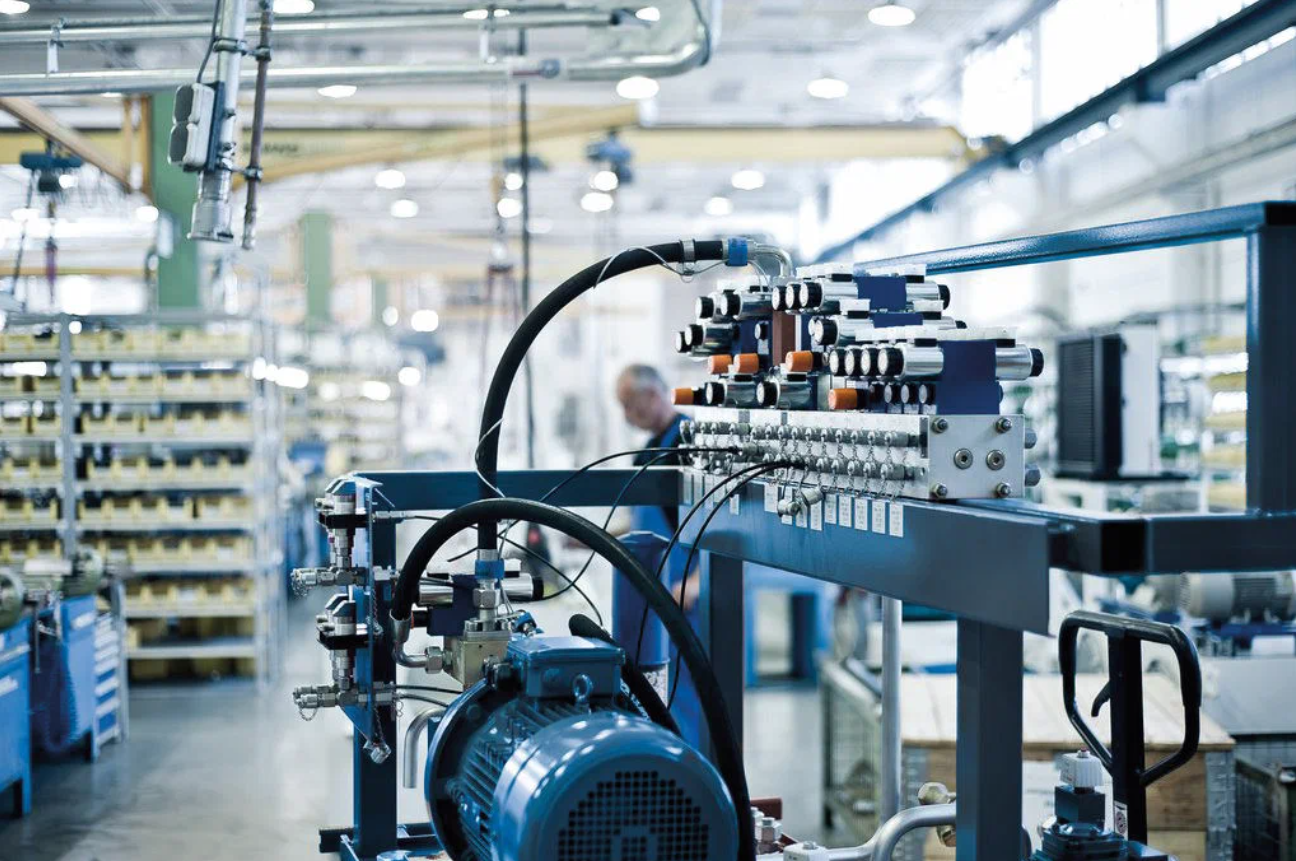
A Detailed Walkthrough: Professional Hydraulic Cylinder Repair Process 

Welcome to the world of hydraulic systems! Whether you’re in construction, manufacturing, or any field that relies on heavy machinery, knowing the ins and outs of hydraulic cylinder repair is vital. 

These cylinders are the workhorses behind the powerful, controlled movements of machinery. However, they’re not immune to wear and tear. 

In this blog, we’ll guide you through the professional process of repairing hydraulic cylinders, ensuring your equipment operates at peak performance for longer periods. 

So, let’s dive into this essential maintenance task and ensure your machinery continues to serve you efficiently and reliably.

Overview of Hydraulic Cylinder Repair Process

Maintaining and repairing hydraulic cylinders is paramount to ensuring that machinery runs efficiently and lasts longer. 

A professional hydraulic cylinder repair process not only helps in restoring the cylinder’s optimal performance but also prevents future failures, ultimately saving time and resources.

Importance of Proper Repair

Proper hydraulic cylinder repair is crucial for several reasons. Firstly, it ensures that the hydraulic system operates at its peak, providing the necessary power for machinery. 

Secondly, it significantly reduces the likelihood of unexpected breakdowns, which can be costly and disrupt operations. Proper repair also extends the lifespan of the cylinder and the hydraulic system, making it a cost-effective solution in the long run.
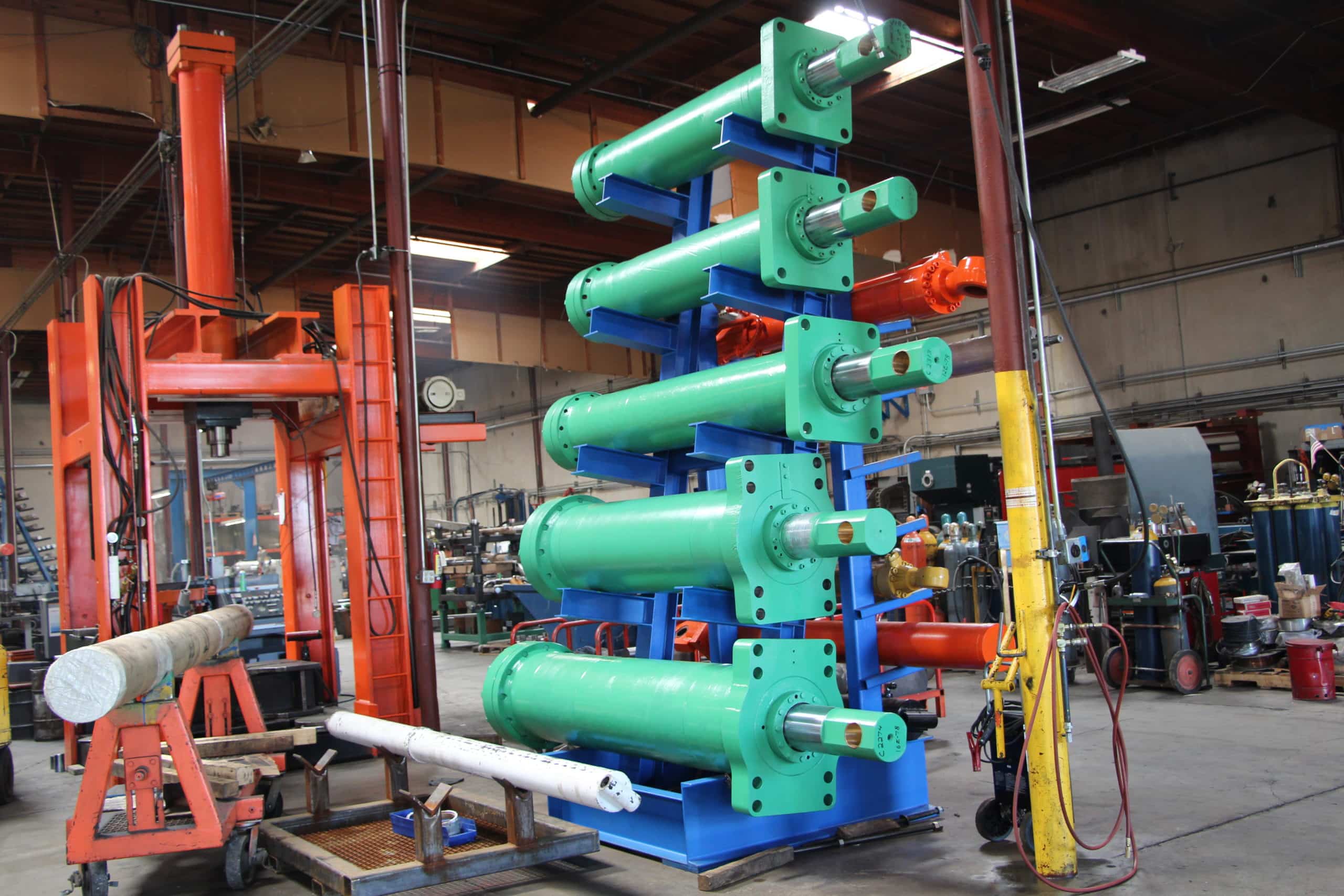
hydraulic cylinder repair

Common Issues with Hydraulic Cylinders

Several issues can affect hydraulic cylinders, requiring professional attention. These include:

– Leaks in the seals, which can lead to loss of pressure and fluid.

– Wear and tear on the piston rod and cylinder bore, affecting the system’s efficiency.

– Contamination of hydraulic fluid, which can cause damage to internal components.

– Corrosion of metal parts, especially in harsh environments.

Understanding these common issues is the first step in addressing and preventing them through professional repair and maintenance.

Initial Inspection of Hydraulic Cylinder

Before diving into the repair process, an initial inspection is essential to accurately assess the condition of the hydraulic cylinder and identify any issues.

Visual Inspection

A thorough visual inspection is the first step in assessing a hydraulic cylinder’s condition. This examination involves checking for visible signs of wear, damage, or corrosion on the cylinder body, piston rod, and seals. It’s also crucial to look for any misalignment that could indicate potential internal problems.

Testing for Leaks

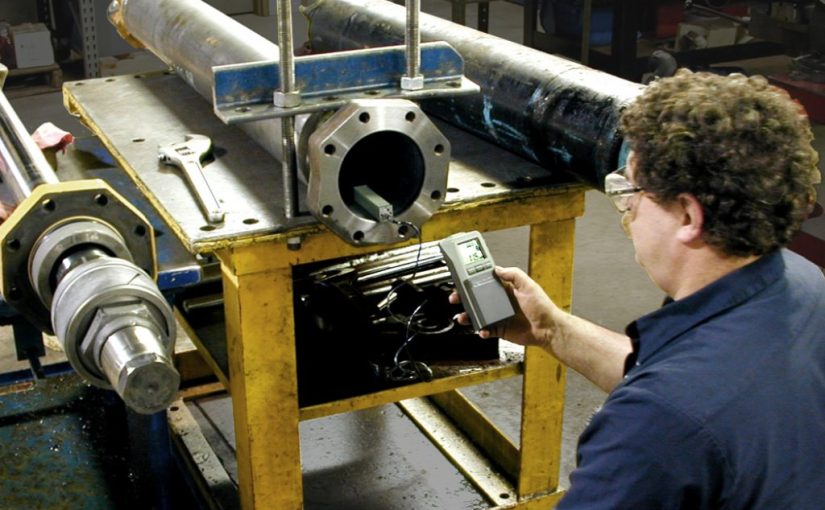
After the visual inspection, testing for leaks is a vital step. Leaks can occur both internally, where fluid passes from the high-pressure side to the low-pressure side without making it past the piston, and externally, where fluid escapes the cylinder altogether. 

Using specialised equipment, professionals can apply pressure to the system to identify any leaks, which are common indicators of seal failure or damage to the cylinder’s structure. 

Addressing these leaks early on can prevent more significant issues down the line and ensure the hydraulic system operates efficiently.

Disassembly of Hydraulic Cylinder

Proper Disassembly Techniques

Disassembling a hydraulic cylinder is like solving a complex puzzle with care and precision. It begins by carefully relieving any pressure within the cylinder to ensure safety. Then, each component, including the cap, gland, piston, and rod, is methodically removed. 

Special tools, such as spanner wrenches and cylinder disassembly benches, are employed to prevent damage to the components. The key is to maintain the integrity of each part, avoiding any unnecessary force that could cause harm. 

This step requires patience and meticulous attention to detail, ensuring that each piece is catalogued for reassembly.

Inspection of Individual Components

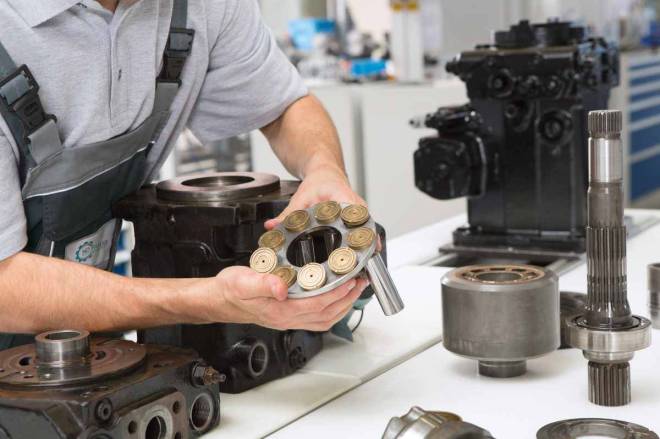
Once disassembled, each part of the hydraulic cylinder undergoes a thorough inspection. This process is akin to a health check-up, seeking out any signs of wear, corrosion, or damage. 

The rod and cylinder bore are scrutinised for scratches or pitting, which could impair the cylinder’s performance.

Seals and O-rings are checked for wear and elasticity, as these are often the first components to show signs of failure. This detailed inspection helps to identify any hidden issues that might compromise the cylinder’s efficiency, ensuring that only perfectly functioning parts are reassembled.

Replacement of Damaged Parts and Seals

Identifying Damaged Parts

Identifying damaged parts is a critical step in the hydraulic cylinder repair process. Based on the inspection, components that are beyond repair or show significant wear are earmarked for replacement. 

Common culprits include bent rods, scored cylinders, and worn seals. The goal is to identify any parts that could negatively impact the performance or lifespan of the hydraulic cylinder, ensuring that the repaired cylinder operates as efficiently as a new one.

Selecting Quality Replacement Seals

When it comes to seals, opting for high-quality replacements is non-negotiable. 

Seals are the lifeline of hydraulic cylinders, ensuring fluid doesn’t leak and maintaining pressure within the system. 

Selecting the right seals involves matching the material and specifications to the cylinder’s requirements, considering factors such as temperature, pressure, and fluid type. 

Quality seals offer resilience against wear and tear, ensuring the longevity and reliability of the hydraulic cylinder. Investing in superior-quality seals means fewer repairs down the line, saving time and money in the long run.

Cleaning and Preparation for Repair

Before diving into the thick of repairs, ensuring that the hydraulic cylinder and its components are clean is crucial. 

This step is pivotal for two main reasons: it prevents contamination from interfering with the repair process and allows for a thorough inspection of all parts. The cleaning process involves removing any dirt, grime, and hydraulic fluid remnants using specialised cleaning agents and tools designed for hydraulic systems.

During the cleaning process, it’s essential to inspect each component for signs of wear, damage, or corrosion. Attention to detail is key, as even minor imperfections can lead to significant issues down the line. 

Detailed documentation of any issues discovered during this process is crucial for deciding whether to repair or replace specific parts.

Reassembly of Hydraulic Cylinder

The reassembly process is where precision and expertise come into play. After cleaning and inspection, ensuring that each part of the hydraulic cylinder is correctly reassembled ensures the unit operates efficiently and safely.

Assembly of Components

Reassembling the hydraulic cylinder involves putting back together the cleaned and inspected or new components in their correct order. 

Start by carefully installing the piston and seals onto the piston rod, making sure that all seals are correctly positioned to prevent leaks. Next, the piston rod assembly is inserted into the cylinder barrel. 

It’s essential to lubricate all moving parts and seals with a thin layer of hydraulic oil during assembly to ensure smooth operation and prevent initial wear.

Torque Specifications and Guidelines

Adhering to proper torque specifications is critical during the reassembly process. Each component of the hydraulic cylinder, especially the bolts and nuts, needs to be tightened to the manufacturer’s recommended torque values. These specifications ensure that components are sufficiently tightened without being overstressed, which could lead to premature failure.

Using a calibrated torque wrench is the best practice, as it provides the precision required for these specifications. Additionally, it’s important to follow any sequence guidelines provided by the manufacturer for tightening bolts. 

This sequence is designed to ensure an even distribution of pressure and prevent misalignment of the cylinder components. Once the cylinder is fully reassembled, a final inspection and test should be conducted to ensure it meets all operational standards.

Testing and Final Adjustments

After the meticulous process of disassembly, cleaning, and replacing all necessary parts, the hydraulic cylinder is almost set to go back into action. However, before it can be declared fully functional, it needs to go through a series of tests and adjustments to ensure it operates safely and efficiently.

Pressure Testing

The first step in this final phase is pressure testing. This is crucial to verify that the cylinder can handle the operational pressures it will face in the field. During pressure testing, the cylinder is subjected to pressures that match or exceed its normal operating pressures.

 This test helps to identify any leaks or weaknesses in the seals or the cylinder structure. It’s like giving the cylinder a trial by fire, ensuring it’s tough enough to handle its tasks without failure.

Adjusting Hydraulic Cylinder Settings

Once the cylinder passes the pressure test with flying colours, it’s time to adjust its settings for optimal performance. This could include fine-tuning the piston’s speed, the force it exerts, and the fluid flow rate. 

These adjustments ensure the cylinder operates smoothly within the specific requirements of the hydraulic system it’s a part of. Think of it as calibrating the instrument to play the perfect tune.

Final Inspection

The final inspection is the last checkpoint before the hydraulic cylinder can be reinstalled. 

This meticulous examination includes checking for any signs of leaks, ensuring all parts are properly tightened, and verifying that all repairs meet the expected quality standards. It’s the final nod of approval that says, “Yes, this cylinder is ready to go back to work.”

Tools Required for Professional Hydraulic Cylinder Repair

A professional hydraulic cylinder repair is no small feat and requires an array of special tools to get the job done right. The right tools not only make the repair process more efficient but also ensure the longevity and reliability of the cylinder post-repair.

List of Essential Tools

– Wrench sets: For loosening and tightening bolts and nuts.

– Seal installation tools: These are used to properly install seals without damage.

– Hydraulic piston rod clamp: To secure the rod without causing surface damage.

– Cylinder hone: This is used to refinish the interior surface of the cylinder.

– Measuring tools (micrometres, callipers): To precisely measure parts for wear and fit.

Having these tools at hand is crucial for tackling the various steps involved in repairing a hydraulic cylinder, from disassembly to reassembly.

Importance of Using Proper Tools

Utilising the proper tools is not just about making the repair process smoother; it’s about ensuring the repair is done to a professional standard. 

The right tools help prevent damage to parts during disassembly and reassembly, ensure accurate measurement and fit of replacement parts, and ultimately lead to a more reliable and longer-lasting repair. 

In the world of hydraulic cylinder repair, the quality of the tools is as important as the skill of the technician using them.

Conclusion

As we’ve journeyed through the meticulous process of professional hydraulic cylinder repair, it’s clear that maintaining the integrity and functionality of these essential components is not a task to be taken lightly. 

Remember, proper maintenance doesn’t just prolong the life of your hydraulic cylinders; it also enhances the performance and reliability of your entire hydraulic system.

Understanding the professional hydraulic cylinder repair process empowers you to make informed decisions about the care and maintenance of your hydraulic systems. 
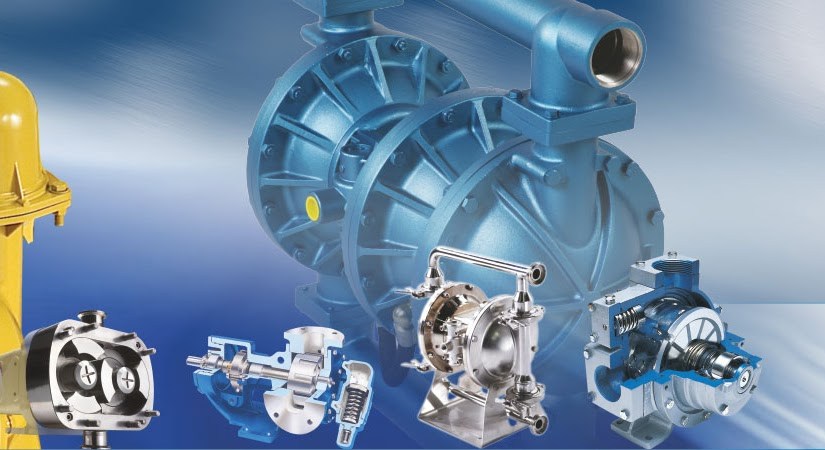
Top Types of Hydraulic Pumps and Their Various Applications

Hydraulic systems are essential components of various industries, providing the power needed to perform a wide range of tasks. At the heart of these systems are hydraulic pumps, which play a crucial role in generating the necessary fluid power.

In this blog, we’ll explore the top types of hydraulic pumps and their diverse applications, shedding light on their functionality and significance in different settings.

Understanding Hydraulic Pumps

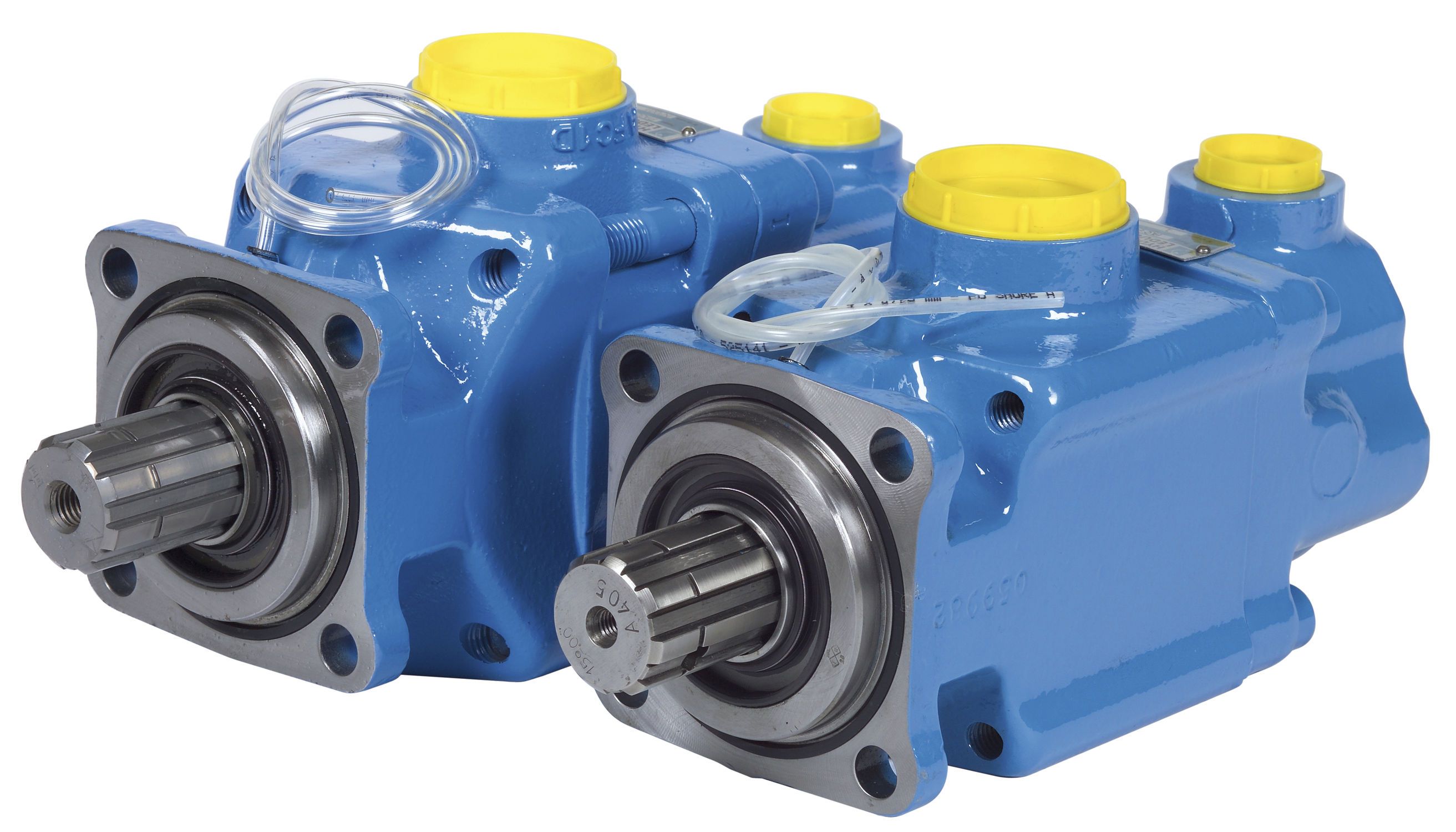
Before delving into the specific types of hydraulic pumps, it’s important to understand their fundamental purpose. Hydraulic pumps are mechanical devices designed to generate flow and provide power to hydraulic systems.

They convert mechanical energy into hydraulic energy by pressurising hydraulic fluid. This pressurised fluid is then utilised to perform various tasks, making hydraulic pumps integral components of a wide array of applications.

Types of Hydraulic Pumps

1. Gear Pumps

Gear pumps are one of the most common types of hydraulic pumps. They operate using the intermeshing of gears to pump fluid.

With their simple design and ability to handle a wide range of viscosities, gear pumps are widely used in applications such as automotive power steering systems, forklifts, and construction equipment.

Hydraulic Pumps

2. Vane Pumps

Vane pumps utilise vanes to push fluid through the pump. These pumps are known for their quiet operation and ability to handle low-to-medium pressure applications.

They find extensive use in industrial and mobile hydraulic systems, as well as in aerospace and automotive applications.

3. Piston Pumps

Piston pumps use reciprocating pistons to pressurise fluid. They are capable of handling high-pressure applications and are often used in heavy machinery, hydraulic presses, and other industrial equipment where high power density is required.

4. Radial Piston Pumps

Radial piston pumps consist of a set of pistons arranged radially around a drive shaft. These pumps are known for their high efficiency and are commonly employed in high-pressure hydraulic systems, including those used in plastic injection moulding machines, hydraulic presses, and marine equipment.

5. Axial Piston Pumps

Axial piston pumps feature pistons arranged in a circular array within a cylinder block. They are widely utilised in various hydraulic systems, including industrial machinery, agricultural equipment, and construction machinery, thanks to their ability to handle high pressure and provide efficient performance.

Applications of Hydraulic Pumps

Industrial Machinery

In the industrial sector, hydraulic pumps play a critical role in powering heavy machinery such as presses, extruders, and injection moulding machines.

The high pressure and power density provided by piston pumps and radial piston pumps make them well-suited for these demanding applications.

Construction Equipment

Construction and earthmoving equipment rely heavily on hydraulic pumps to provide the power needed for tasks such as lifting, lowering, and manoeuvring heavy loads. Gear pumps and vane pumps are commonly used in hydraulic systems within excavators, dump trucks, and cranes.

Aerospace and Automotive Systems

Vane pumps are often employed in aerospace and automotive applications where quiet operation and efficient fluid handling are essential. These pumps are utilised in aircraft hydraulic systems, as well as in power steering and automatic transmission systems in automobiles.

Agriculture

In the agricultural sector, hydraulic pumps are integral to the operation of various equipment, including tractors, harvesters, and irrigation systems. Axial piston pumps are well-suited for these applications due to their ability to handle high pressure and provide reliable performance in demanding agricultural environments.

Marine Equipment

Radial piston pumps are commonly used in marine hydraulic systems to power steering, winches, and other equipment on ships and offshore platforms. Their high efficiency and ability to handle high-pressure applications make them ideal for these marine applications.

Conclusion

Hydraulic pumps are indispensable components of hydraulic systems across diverse industries. Understanding the various types of hydraulic pumps and their applications is crucial for selecting the right pump for specific tasks and ensuring efficient and reliable operation.

By exploring the functionality and significance of hydraulic pumps, we gain a deeper appreciation for the pivotal role they play in powering a wide range of machinery and equipment.

As we’ve seen, the versatility and performance of hydraulic pumps make them essential for achieving powerful and precise hydraulic operations across numerous applications. Whether in industrial settings, construction sites, aerospace and automotive systems, agriculture, or marine environments, hydraulic pumps continue to drive innovation and efficiency in hydraulic power systems.

Source URL: https://hydraulicpumpsau.blogspot.com/2024/04/top-types-of-hydraulic-pumps-and-their.html

Unleashing Power Exploring the Functionality of Hydraulic Pumps

Hydraulic pumps play a crucial role in powering a wide array of machinery and equipment across various industries. From construction and manufacturing to automotive and agriculture, the functionality of hydraulic pumps is indispensable.

In this blog, we aim to delve into the intricate workings of hydraulic pumps Australia, shedding light on their operation, applications, maintenance, and troubleshooting.

Hydraulic Pumps

Hydraulic pumps are mechanical devices that convert mechanical power into hydraulic energy. They are comprised of basic components such as a reservoir, hydraulic fluid, a pump, and a motor or engine to drive the pump.

The principle behind their operation is based on Pascal’s law, which states that when pressure is applied to a confined fluid, the pressure is transmitted undiminished in all directions. This principle allows hydraulic pumps to transfer energy from one point to another with minimal loss.

Hydraulic pumps come in various types, including gear, vane, and piston pumps, each with its own unique features. Gear pumps, for example, are known for their simplicity and reliability, while vane pumps offer high efficiency and low noise levels.

Piston pumps, on the other hand, provide high power density and precision control. Understanding the different types allows for the selection of the most suitable pump for specific applications.

How Hydraulic Pumps Work

The working mechanism of hydraulic pumps Australia involves a series of phases, including suction, compression, and discharge. During the suction phase, the pump draws in hydraulic fluid from the reservoir. In the compression phase, the fluid is pressurised as it is displaced by the pump.

Finally, in the discharge phase, the pressurised fluid is delivered to the system, enabling the operation of hydraulic actuators or motors.

Hydraulic Pumps

To enhance understanding, illustrative examples or diagrams can be utilized to visually depict the working process of hydraulic pumps. These visual aids provide clarity and insight into the inner workings, making it easier for individuals to grasp the intricacies of hydraulic pump operation. The efficiency and power output of hydraulic pumps are also emphasised, showcasing their ability to deliver high performance in diverse applications.

Applications Across Industries

Hydraulic pumps find extensive applications across various industries, contributing to the functionality of heavy machinery, precision equipment, and complex systems.

In the construction industry, hydraulic pumps power cranes, excavators, and forklifts, enabling the lifting and movement of heavy loads with precision and control. In manufacturing, hydraulic pumps drive presses, injection moulding machines, and other equipment, providing the force necessary for shaping and forming materials.

The automotive industry benefits from the use of hydraulic pumps in power steering systems, transmission systems, and braking systems. This enhances vehicle performance and safety. Moreover, the agricultural sector relies on hydraulic pumps to operate tractors, combine harvesters, and irrigation systems, facilitating efficient and productive farming practices.

Real-world examples further highlight the significance of hydraulic pumps in enabling essential processes and operations across diverse industries.

Maintenance and Troubleshooting Tips

Regular maintenance is essential to prolong the lifespan and ensure the optimal performance of hydraulic pumps.

This includes practices such as checking fluid levels, inspecting for leaks, and replacing filters and seals as needed. Additionally, understanding common issues that may arise, such as fluid contamination or pump inefficiency, is crucial for troubleshooting effectively.

Troubleshooting techniques can involve identifying the root cause of issues, whether it be through visual inspections or diagnostic testing. It’s important to address issues promptly to prevent further damage and maintain the reliability of hydraulic systems.

Recommended resources or professional services can provide valuable support for maintenance and repairs, ensuring that hydraulic pumps continue to operate at their best.

Conclusion

The functionality and versatility of hydraulic pumps Australia make them integral components in a wide range of industries. Their ability to provide precise control, high force output, and reliability is unmatched, contributing to enhanced productivity and efficiency.

We encourage readers to explore further applications and consider implementing hydraulic systems in their operations to experience the benefits firsthand.

Hydraulic Cylinders 101 A Comprehensive Guide for Beginners

Welcome to our comprehensive guide on hydraulic cylinders! Whether you’re new to the world of engineering, construction, or automotive industries, understanding the basics of hydraulic cylinders in Australia is essential.

These powerful devices play a crucial role in various applications, and our guide aims to provide beginners with a clear understanding of their function, operation, and maintenance.

What are Hydraulic Cylinders?

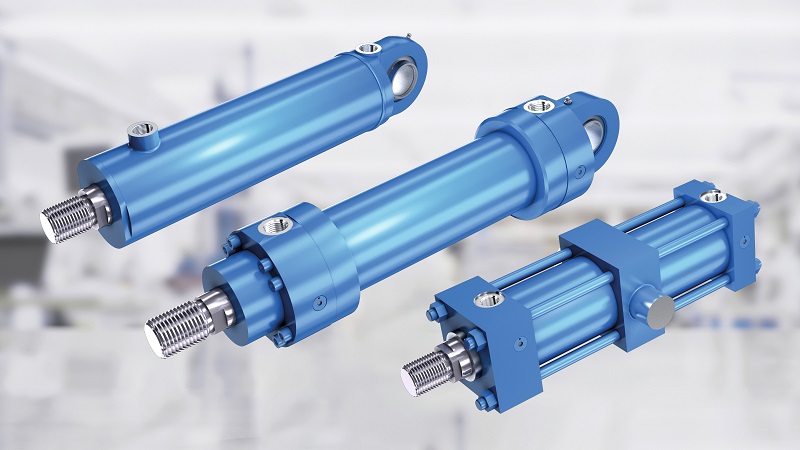
Hydraulic cylinders are mechanical actuators that are used to provide unidirectional force through a unidirectional stroke. In simpler terms, they are devices that convert hydraulic energy into mechanical energy to perform work.

These are commonly found in heavy machinery, construction equipment, agricultural machinery, and even in the automotive industry. For instance, hydraulic cylinders are used in excavators to power the boom and bucket movements, in dump trucks for lifting the bed, and in hydraulic brakes in automobiles.

How Do Hydraulic Cylinders Work?

Hydraulic cylinders operate based on the principles of fluid mechanics and Pascal’s law. A hydraulic fluid, typically oil, is used to transmit force within the cylinder. When pressure is applied to the fluid, it exerts force on the piston inside the cylinder, causing it to move in a linear motion.

Hydraulic Cylinders

This movement is then used to perform tasks such as lifting, pushing, or pulling heavy loads. Understanding the role of hydraulic fluid and pressure is crucial to grasping how hydraulic cylinders work.

Types of Hydraulic Cylinders

There are several types of hydraulic cylinders in Australia, each designed for specific applications. These include single-acting cylinders, double-acting cylinders, telescopic cylinders, and differential cylinders.

Single-acting cylinders exert force in one direction while double-acting cylinders can push and pull. Telescopic cylinders have multiple stages that allow for a longer stroke without sacrificing space, and differential cylinders have different piston diameters to provide varying forces. Each type has its unique features and applications, making it important for beginners to understand their differences.

Key Components and Terminology

Hydraulic cylinders consist of various components, including a piston, rod, cylinder barrel, seals, and ports. The piston is responsible for generating the linear motion, while the rod transmits the force to the external load.

Seals prevent fluid leakage, and ports allow for the inlet and outlet of hydraulic fluid. Understanding these components and associated terminology, such as bore size, stroke length, and rod end types, is essential for beginners to communicate effectively within the industry.

Maintenance and Troubleshooting Tips

Proper maintenance is crucial for ensuring the longevity and performance of hydraulic cylinders. Regular inspection of seals, fluid levels, and any signs of wear can prevent potential issues.

Additionally, troubleshooting tips for common problems like leaks, uneven movement, and loss of pressure can help beginners address issues effectively. Following manufacturer guidelines and seeking professional assistance when needed are also key to maintaining hydraulic cylinders.

Conclusion

This guide has provided beginners with a foundational understanding of hydraulic cylinders in Australia, their function, types, components, and maintenance.

By familiarising yourself with these fundamental concepts, individuals can confidently engage with hydraulic systems in various industries. We encourage readers to continue exploring further resources and seeking professional assistance to deepen their knowledge and expertise in the realm of hydraulic cylinders.

Hydraulic Pump Leaks Causes, Detection, and Repairs

Welcome to our comprehensive guide on hydraulic pump leaks! In this blog post, we will delve into the intricate world of hydraulic pumps, exploring their significance in various industries, the potential causes of leaks, methods for detection, repair techniques, and preventive measures.

So, buckle up and get ready to enhance your understanding of hydraulic pump maintenance and ensure the optimal performance of your equipment.

Hydraulic pumps are pivotal in numerous industries, powering machinery and equipment essential for various operations. From construction and manufacturing to automotive and aerospace sectors, the efficient functioning of hydraulic pumps is instrumental in driving productivity and performance. However, the occurrence of hydraulic pump leaks can significantly impact the overall efficiency and safety of equipment, making it imperative to address this issue promptly and effectively.

II. Understanding Hydraulic Pumps

Before delving into the complexities of hydraulic pump leaks, let’s establish a foundational understanding of these critical components. Hydraulic pumps are mechanical devices designed to generate fluid flow within a hydraulic system, facilitating power transmission to different machinery parts. These pumps come in various types, including gear, piston, and vane pumps, each serving specific purposes in different applications. Maintaining the efficiency of hydraulic pumps is essential to ensure the seamless operation of equipment and machinery across diverse industries.

III. Causes of Hydraulic Pump Leaks

1. Wear and Tear on Seals and Gaskets:

The primary reason behind hydraulic pump leaks often boils down to the natural wear and tear of seals and gaskets. These vital components, subjected to continuous exposure to high-pressure hydraulic fluids, gradually degrade over time. The resulting deterioration compromises their integrity, leading to fluid seepage and the potential for leaks. As these seals and gaskets lose their resilience, the hydraulic system becomes susceptible to leakage, necessitating regular inspection and replacement to maintain optimal functionality.

2. Contamination from External Factors:

The infiltration of external contaminants poses a significant threat to hydraulic systems, potentially resulting in pump leaks. Dirt, debris, and various particulate matter can infiltrate the hydraulic system through seals or other access points. Once inside, these contaminants compromise the pump’s integrity, hindering its smooth operation and potentially causing leaks. Preventative measures, such as regular system checks, proper sealing, and maintaining a clean working environment, are crucial to minimizing the risk of contamination-related leaks.

3. High Pressure Leading to Component Failure:

Excessive pressure within the hydraulic system exerts undue stress on pump components, increasing the likelihood of failure and subsequent leaks. The sustained high pressure strains the pump, causing components to weaken or malfunction over time. This stress-induced failure can manifest as cracks, fractures, or ruptures in the pump assembly, resulting in leaks. Proper maintenance practices and adhering to recommended pressure limits are essential in preventing component failure due to excessive pressure, thereby reducing the risk of hydraulic pump leaks.

IV. Detecting Hydraulic Pump Leaks

Accurately identifying hydraulic pump leaks is crucial for initiating timely repairs and preventing further damage to equipment. Here are some effective methods for detecting leaks:

Hydraulic Pumps

Visual Inspection for Oil Stains or Puddles:

Regular visual inspections of the equipment and its surrounding areas can reveal telltale signs of hydraulic fluid leaks, such as oil stains or puddles, indicating the presence of a leak.

Monitoring Fluid Levels and Pressure Readings:

Tracking fluid levels and pressure readings in the hydraulic system can help in identifying fluctuations that may signify leaks or pressure-related issues.

Using Leak Detection Dyes:

Application of specialised leak detection dyes can aid in pinpointing the exact location of hydraulic pump leaks, facilitating targeted repair efforts.

V. Impact of Hydraulic Pump Leaks

The ramifications of hydraulic pump leaks extend beyond mere operational disruptions, encompassing broader implications for equipment performance and maintenance costs:

Decreased System Efficiency:

Leakage of hydraulic fluid compromises the system’s overall efficiency, potentially leading to reduced performance and productivity.

Increased Maintenance Costs:

Addressing hydraulic pump leaks and their associated effects often means heightened maintenance expenditures, impacting the overall operational budget.

Potential Safety Risks for Equipment Operators:

Leakage of hydraulic fluid can create hazardous working conditions, posing safety risks for equipment operators and personnel in the vicinity.

VI. Repairing Hydraulic Pump Leaks

Effective repair of hydraulic pump leaks is essential for restoring the optimal functionality of equipment. Key repair techniques include:

Replacing Worn-Out Seals and Gaskets:

Identifying and replacing worn-out or damaged seals and gaskets is crucial for preventing further fluid leakage from the hydraulic pump.

Flushing the System to Remove Contaminants:

Thoroughly flushing the hydraulic system to eliminate contaminants and impurities can mitigate the risk of leaks and enhance overall system integrity.

Addressing Pressure-Related Issues:

Systematically addressing pressure-related issues, such as regulating pressure settings and ensuring the integrity of pressure control mechanisms, can prevent future leaks.

VII. Preventing Hydraulic Pump Leaks

Proactive measures to prevent hydraulic pump leaks are integral to maintaining equipment reliability and longevity. Consider the following preventive strategies:

Regular Maintenance Schedules:

Establishing routine maintenance schedules for hydraulic systems, including inspections, fluid checks, and component assessments, can pre-emptively address potential issues and mitigate the risk of leaks.

Using High-Quality Replacement Parts:

Utilising high-quality, OEM-recommended replacement parts for hydraulic pumps and associated components can bolster system resilience and minimise the likelihood of leaks.

Taking Proactive Measures to Reduce Contamination Risks:

Implementing measures to minimise the ingress of external contaminants into the hydraulic system, such as effective filtration and sealing practices, can safeguard against potential leaks.

Conclusion

In conclusion, the effective management of hydraulic pump leaks is essential for ensuring equipment’s sustained performance and safety in diverse industrial settings. By understanding the causes, detection methods, repair techniques, and preventive measures associated with hydraulic pump leaks, individuals and businesses can proactively address these challenges and uphold the efficiency of their hydraulic systems.

As we conclude this informative discussion, it is paramount to emphasise the significance of prompt action in addressing hydraulic pump leaks. By prioritising maintenance, leveraging effective detection methods, and implementing preventive measures, businesses can fortify their hydraulic systems against potential leaks and sustain operational excellence.

We hope this comprehensive guide has equipped you with valuable insights into the world of hydraulic pumps and the critical considerations surrounding leaks and maintenance. Remember, vigilance and proactive maintenance are the keys to ensuring uninterrupted equipment performance and operational reliability when it comes to hydraulic pump leaks.

So, until next time, stay informed, stay proactive, and keep those hydraulic pumps leak-free!

Optimising Machinery Operations with the Best Quality Hydraulic Solenoid Valves

In the realm of industrial machinery, efficiency and precision are paramount. One crucial component that plays a significant role in achieving optimal performance is the hydraulic solenoid valve. These valves are essential for controlling the flow of hydraulic fluid within machinery, influencing its overall functionality and reliability. In this blog post, we will explore how integrating the Best Quality Hydraulic Solenoid Valves can elevate machinery operations and drive productivity.

Understanding the Role of Hydraulic Solenoid Valves

At the core of hydraulic systems, solenoid valves act as the gateway for regulating fluid flow. By utilising electromagnetic principles, these valves can open or close to control the passage of hydraulic fluid, thereby dictating the movement and operation of various components within machinery. Their adaptability and responsiveness make them indispensable for a wide array of industrial applications.

Enhanced Performance and Precision

The integration of high-quality hydraulic solenoid valves translates to enhanced precision and performance. With precise control over fluid flow, machinery can operate with heightened accuracy and consistency, leading to improved production output and quality. The responsiveness of these valves enables machinery to swiftly adapt to changing operational requirements, ensuring seamless functionality.

Hydraulic Industries

Reliability and Durability

Reliable machinery operations are imperative for sustained productivity in industrial settings. The utilisation of the best quality hydraulic solenoid valves contributes to the overall reliability of machinery systems. These valves are engineered to withstand demanding conditions, exhibiting durability and longevity even in challenging environments. Their robust construction and design make them a dependable asset in industrial settings.

Customised Solutions for Diverse Applications

The best quality hydraulic solenoid valves offer a spectrum of customisation options, allowing for tailored solutions to suit diverse operational needs. Whether it involves specific fluid viscosities, pressure requirements, or operational temperatures, these valves can be configured to precisely match the demands of various machinery applications. This versatility enables optimised performance across a wide range of industrial processes.

Efficiency and Energy Conservation

Efficiency is a driving force in modern industrial operations. By utilising advanced hydraulic solenoid valves, machinery can operate with increased energy efficiency. These valves enable precise control over fluid flow, minimising unnecessary energy consumption and optimising the overall operational efficiency of machinery, ultimately leading to cost savings and reduced environmental impact.

Streamlined Maintenance and Operation

The incorporation of the best quality hydraulic solenoid valves facilitates streamlined maintenance and operation of machinery. Their robust design and reliability result in reduced downtime and maintenance requirements, allowing for uninterrupted production cycles. Additionally, the precise control afforded by these valves contributes to smoother machinery operation, reducing the likelihood of performance-related issues.

Adaptability to Industry 4.0

As industries embrace the era of digitalisation and automation, the integration of advanced hydraulic solenoid valves aligns with the principles of Industry 4.0. These valves can seamlessly integrate with smart machinery systems, enabling real-time monitoring, automation, and remote control capabilities. Such adaptability positions industrial operations at the forefront of technological innovation.

Conclusion

In conclusion, the integration of the best quality hydraulic solenoid valves represents a pivotal investment in optimising machinery operations. From precision and reliability to energy efficiency and adaptability, these valves serve as indispensable components for enhancing industrial performance. By leveraging the capabilities of advanced hydraulic solenoid valves, businesses can usher in a new era of operational excellence and productivity, ensuring a competitive edge in the modern industrial landscape.

By recognising the profound impact of hydraulic solenoid valves and embracing their potential, businesses can elevate their machinery operations to new heights, setting the stage for sustained growth and success.

Hydraulic Filter Solutions for Various Industries

In today’s industrial landscape, hydraulic systems play a pivotal role in a multitude of industries, from construction and manufacturing to mining and agriculture. These systems, however, are only as good as their maintenance and filtration. The integrity and longevity of Hydraulic Filters Systems are directly tied to the effectiveness of their filters.

In this article, we will explore the importance of proper filtration in maintaining optimal hydraulic system performance.

Discuss the different types of hydraulic filters for sale commonly used in different industries:

  1. Understanding Hydraulic Filters

Hydraulic filters play a crucial role in maintaining the cleanliness and efficiency of hydraulic systems. Their primary function is to remove contaminants from the hydraulic fluid, preventing these particles from causing damage to components and reducing the overall performance of the system.

There are several types of hydraulic filters commonly used in different industries, including suction filters, return line filters, pressure line filters, and offline filters. Suction filters are located in the hydraulic reservoir and prevent larger particles from entering the system. Return line filters are placed in the return line to capture contaminants before the fluid returns to the reservoir.

Hydraulic Filters

Pressure line filters are installed in the hydraulic circuit to remove particles that can cause damage to sensitive components. Offline filters are used in conjunction with the main filtration system to provide additional cleaning and maintenance capabilities.

When selecting a hydraulic filter, there are several factors to consider. These include the required filtration level, flow rate, pressure rating, compatibility with the hydraulic fluid, and ease of maintenance. It is crucial to choose a filter that meets the specific requirements of the Hydraulic Power Packs to ensure optimal performance and longevity.

  1. Importance of Proper Filtration

Proper filtration is essential for the longevity and efficiency of hydraulic systems. Inadequate filtration can lead to a range of consequences, including increased component wear, reduced system efficiency, increased maintenance costs, and even system failure.

Using high-quality hydraulic filters for sale can help prevent these issues. Effective filtration removes contaminants that can cause abrasive wear, reduce the efficiency of valves and actuators, clog or damage control valves, and impair the overall performance of the system. By maintaining clean hydraulic fluid, proper filtration helps extend the lifespan of components, reduce downtime, and improve the overall reliability of the system.

Real-life examples and case studies can illustrate the impact of proper filtration. For instance, in a manufacturing plant, a faulty hydraulic filter caused contamination that resulted in a malfunctioning machine, leading to production delays and costly repairs. In contrast, another manufacturing plant that implemented a robust filtration system experienced improved productivity, reduced maintenance costs, and increased machine uptime.

Hydraulic Filter Solutions for Specific Industries

  1. Construction Industry

The construction industry faces unique challenges when it comes to hydraulic system contamination. Construction machinery and equipment often operate in harsh environments, exposed to dirt, dust, moisture, and other contaminants. These particles can enter the hydraulic system and cause wear, clogging, and reduced performance.

To address these challenges, specialised hydraulic filter solutions are available for the construction industry. These filters are designed to withstand the demanding conditions and effectively remove contaminants. Additionally, some construction equipment manufacturers have specific filtration requirements and standards that need to be met to maintain warranty coverage.

  1. Manufacturing Industry

The manufacturing industry encompasses various sectors, each with its own filtration requirements. Metalworking processes, such as machining or grinding, generate metal particles that need to be effectively filtered out to prevent damage to components. Plastic injection moulding processes require filtration to remove contaminants that can lead to defective products.

Hydraulic filter solutions tailored to these specific applications are available. These filters are designed to handle the unique challenges posed by metalworking or plastic injection moulding, ensuring optimal performance, extended component life, and improved product quality. Proper filtration in manufacturing plants can also lead to cost savings by reducing maintenance, improving productivity, and minimising downtime.

  1. Mining Industry

The mining industry operates in extreme conditions and harsh environments. Mining equipment is exposed to high levels of dust, dirt, and moisture, making effective filtration crucial. Contaminants can cause severe damage to hydraulic systems, resulting in costly repairs and downtime.

Robust hydraulic filter solutions are specifically designed for the mining industry. These filters are built to withstand the demanding conditions and effectively remove contaminants, ensuring the reliability and longevity of hydraulic systems. Safety considerations are also important in mining applications, as proper filtration can help prevent equipment failures that could lead to accidents or injuries.

  1. Agriculture Industry

Agricultural machinery and equipment, such as tractors and harvesters, operate in environments with high levels of dirt, dust, crop residues, and other contaminants. These contaminants can enter the hydraulic system and cause wear, clogging, and reduced performance.

Reliable hydraulic filter solutions are available for agricultural equipment. These filters are designed to effectively remove the specific contaminants found in the agriculture industry, ensuring optimal performance, extended component life, and reduced maintenance. Regular filter maintenance and replacement are essential in the agriculture industry to prevent system failure and ensure the longevity of equipment.

  1. Maintenance and Troubleshooting Tips

To maintain optimal hydraulic system performance, regular maintenance of hydraulic filters is crucial. General guidelines for maintaining hydraulic filters across different industries include:

  1. Regularly inspecting filters for signs of wear or damage.
  2. Cleaning or replacing filters based on recommended intervals or when pressure differentials exceed specified limits.
  3. Following manufacturer guidelines for filter replacement.
  4. Properly disposing of used filters in accordance with local regulations.

In terms of troubleshooting, it is important to identify common issues related to clogged or faulty filters. Symptoms of a clogged filter may include increased temperature, reduced system performance, increased noise levels, and erratic operation. If these issues arise, it is important to check the filter for signs of contamination or damage and replace it if necessary.

Conclusion

In conclusion, proper filtration is essential for maintaining optimal hydraulic system performance in various industries. By using high-quality hydraulic filters for sale, industries can prevent component wear, reduce maintenance costs, improve productivity, and increase the overall reliability of hydraulic systems.

Whether in the construction, manufacturing, mining, or agriculture industry, it is crucial to select the right hydraulic filter solutions that meet the specific requirements of the application. Regular maintenance and troubleshooting of hydraulic filters are also important to ensure the longevity and efficiency of hydraulic systems.

Source – https://blogdairy.weebly.com/blog/hydraulic-filter-solutions-for-various-industries

The Role of Solenoid Valves in Hydraulic Control Systems

Welcome to our blog on the role of solenoid valves in hydraulic control systems! If you’ve ever wondered how fluid flow is regulated in hydraulic machinery or methods, you’re in the right place.

Solenoid valves are essential components that are crucial in controlling fluid flow rates and direction in hydraulic systems. In this blog, we will explore Hydraulic Solenoid Valves, the different types available, their importance in hydraulic control systems, typical applications, and more. So, let’s dive right in!

What are Solenoid Valves?

Solenoid valves are electromechanical devices that control the flow of fluids, such as liquids or gases, by opening or closing a valve. They consist of a coil, a plunger, and a valve body.

When an electric current is applied to the coil, it generates a magnetic field that attracts the plunger, causing it to move and open or close the valve. This mechanism allows solenoid valves to regulate the flow of fluids in Hydraulic Power Units.

Types of Solenoid Valves

A. 2-Way Solenoid Valves

2-way solenoid valves, also known as on/off solenoid valves, are the most basic type of solenoid valves. They have two ports, an inlet and an outlet, and control the on/off flow of fluids.

When the valve is energised, the plunger is pulled in, allowing fluid to flow from the inlet to the outlet. When the valve is de-energized, the plunger returns to its original position, blocking the fluid flow.

B. 3-Way Solenoid Valves

3-way solenoid valves have three ports: an inlet, outlet A, and outlet B. They are used to direct fluid flow between different pathways. When the valve is energised, fluid flows from the inlet to outlet A, and when de-energized, it flows from the inlet to outlet B.

These valves are commonly used in applications requiring switching between two fluid pathways.

C. 4-Way Solenoid Valves

4-way solenoid valves have four ports: an inlet, outlet A, outlet B, and an exhaust port. They are used to control fluid flow through multiple directions. When the valve is energised, fluid flows from the inlet to outlet A, and outlet B is connected to the exhaust port.

When de-energized, the connections are reversed, with fluid flowing from the inlet to outlet B and outlet A connected to the exhaust port. These valves are commonly used in applications that require the control of double-acting cylinders or motors.

Importance of Solenoid Valves in Hydraulic Control Systems

A. Precision Control

One of the primary reasons hydraulic solenoid valves are crucial is their ability to provide precise control over fluid flow rates.

By regulating the opening and closing of the valve, the flow rate can be accurately adjusted, ensuring the system operates at the desired levels. This precision control maintains system stability, accuracy, and overall performance.

B. Energy Efficiency

Solenoid valves also play a significantly role in conserving energy in hydraulic control systems. By controlling the flow of fluids, they can minimise unnecessary fluid flow, reducing energy consumption in the process.

For example, solenoid valves can be used to turn the flow on and off in applications where intermittent fluid flow is required, saving energy and reducing operational costs.

C. Reliability and Durability

In demanding hydraulic applications, reliability and durability are paramount. Solenoid valves are designed to withstand harsh conditions, making them suitable for various industries. They are often constructed with high-quality materials and undergo rigorous testing to ensure longevity and performance.

Additionally, industry standards and certifications assure their quality and reliability.

Common Applications of Solenoid Valves

A. Manufacturing and Industrial Processes

Solenoid valves are extensively used in manufacturing and industrial processes involving hydraulic machinery. They control automated assembly lines, robotics, material handling systems, and other hydraulic equipment.

Solenoid valves contribute to efficient and reliable operations in these industries by precisely controlling fluid flow.

B. HVAC Systems

Heating, ventilation, and air conditioning (HVAC) systems rely on solenoid valves to regulate coolant flow, control water supply, or manage refrigerant flow. These valves enable efficient operation of HVAC systems, ensuring optimal temperature control and energy savings.

By controlling the flow of fluids in HVAC applications, solenoid valves contribute to a comfortable indoor environment while minimising energy consumption.

C. Medical Equipment

In the medical field, solenoid valves are essential components in various medical devices and equipment. Anaesthesia machines, fluid delivery systems, and other medical equipment require precise control over liquid flow.

Solenoid valves provide the necessary accuracy and reliability to ensure these devices’ safe and efficient operation, contributing to patient care and well-being.

Conclusion

Solenoid valves play a vital role in hydraulic control systems. Their precise ability to regulate fluid flow rates and direction makes them indispensable components in various industries and applications.

Whether in manufacturing processes, HVAC systems, or medical equipment, hydraulic solenoid valves enable efficient and reliable operation while contributing to energy savings and system stability. The importance of solenoid valves in hydraulic control systems cannot be overstated.

Source – https://www.apsense.com/article/the-role-of-solenoid-valves-in-hydraulic-control-systems.html

Exploring the Top Factors Influencing Hydraulic Pumps for Sale

Hydraulic pumps play a crucial role in various industries, powering machinery and equipment with hydraulic systems. When it comes to purchasing Hydraulic Pumps for Sale, there are several important factors to consider. Making the right choice is essential to ensure optimal performance, efficiency, and reliability.

Explore the top factors that influence the selection of hydraulic pumps:

By understanding these factors, you can make an informed decision and choose the best hydraulic pump for your specific needs. Let’s dive in and explore!

  1. Flow Rate: Matching Pump Capacity with System Requirements

The flow rate is one of the most critical factors to consider when selecting a hydraulic pump. It determines the amount of fluid that the pump can deliver per unit of time. It’s important to match the pump’s flow rate with the requirements of your Hydraulic Power Units System. Choosing a pump with inadequate flow capacity can lead to poor system performance while choosing a pump with excessive flow capacity can result in inefficiency.

  1. Pressure Rating: Handling System Demands

In addition to the flow rate, the pressure rating is another vital consideration. It refers to the maximum pressure that the hydraulic pump can handle. It is crucial to select a pump that can handle the pressure requirements of your hydraulic system. An inadequate pressure rating can lead to pump failure, while an excessive pressure rating may result in unnecessary costs. Carefully assess the pressure demands of your system to choose a pump that can handle them effectively.

  1. System Type: Selecting the Right Pump Design

Different hydraulic systems require different types of pumps. There are various pump designs available, such as gear pumps, vane pumps, and piston pumps. Each design has its own advantages and limitations. Understanding the requirements and characteristics of your system will help you select the most suitable pump design. Consider factors such as system pressure, flow rate, and efficiency to make an informed decision.

  1. Efficiency: Maximising System Performance

Efficiency is a crucial factor in hydraulic systems, as it affects both energy consumption and system performance. Hydraulic pumps vary in their efficiency levels, with some designs offering higher efficiency than others. Choosing an efficient pump can lead to energy savings and improved overall system performance. Consider the pump’s efficiency rating and compare it with other options to make an informed decision.

  1. Noise and Vibration: Ensuring a Smooth and Quiet Operation

Noise and vibration can be significant concerns in hydraulic systems, particularly in applications where noise levels need to be minimised. Some hydraulic pump designs produce more noise and vibration than others. If noise and vibration are critical factors for your application, choose a pump that offers quieter and smoother operation. This will help create a more comfortable and efficient working environment.

  1. Maintenance and Service: Opting for Reliability and Ease of Maintenance

Reliability and ease of maintenance are essential considerations when selecting hydraulic pumps for sale before you make the decision. Choose a pump that is known for its reliability and durability, as unexpected breakdowns can lead to costly downtime. Additionally, consider factors such as accessibility for maintenance and availability of spare parts. Opting for a pump with good after-sales support and a reliable manufacturer can save you time and money in the long run.

  1. Cost: Balancing Quality and Affordability

Cost is always a factor when making a purchasing decision, and hydraulic pumps are no exception. While it’s important to consider your budget, it’s equally important to balance cost with quality and performance. Avoid compromising on quality to save costs, as low-quality pumps may result in frequent breakdowns and higher maintenance expenses. Look for a hydraulic pump that offers a good balance between quality and affordability.

Conclusion:

When it comes to purchasing hydraulic pumps for sale, it’s crucial to consider several factors that can influence the performance, efficiency, and reliability of your hydraulic system. Factors such as flow rate, pressure rating, system type, efficiency, noise and vibration, maintenance and service, and cost should be carefully evaluated.

By understanding these factors and making an informed decision, you can choose the right hydraulic pump that meets the specific requirements of your application. Invest in a high-quality hydraulic pump, and enjoy the benefits of optimal performance and reliability for years to come.

Source – https://hydrauliccylindersaus.blogspot.com/2023/09/exploring-top-factors-influencing.html

How Hydraulic Solenoid Valves Enhance System Control and Efficiency

If you’re a tech enthusiast or someone curious about the inner workings of machinery, then you’re in for a treat. In this article, we’ll dive into the world of hydraulic systems and explore the incredible impact solenoid valves bring to these setups.

Get ready to discover how these little powerhouses enhance performance, increase precision, and unlock a whole new efficiency level.

So, buckle up as we take you on an exciting journey through the wonders of hydraulic solenoid valves!

How Solenoid Valves Enhance System Control

Solenoid valves are an essential part of hydraulic systems, providing control over the flow of fluid. By regulating the flow of fluid, solenoid valves can enhance system performance and efficiency.

Solenoid valves work by using an electromagnet to open and close a valve. When the electromagnet is energised, it creates a magnetic field that opens the valve. When the electromagnet is de-energised, the magnetic field is removed and the valve closes. This simple on/off operation allows for precise control over the flow of fluid.

Hydraulic systems rely on fluid pressure to operate. By controlling the flow of fluid with a solenoid valve, you can control the pressure in the system. This can be used to maintain consistent pressure or to make adjustments as needed.

Solenoid valves can also be used to regulate the flow of fluid in multiple directions. This allows you to route fluid through different sections of a system as needed. This can be used to optimise system performance or to troubleshoot issues. For some great options for solenoid valves, you can Visit Website

Solenoid valves are an essential part of hydraulic systems, providing enhanced system control and efficiency.

Applications of Hydraulic Solenoid Valves

Hydraulic solenoid valves have a wide range of applications, from controlling the flow of fluids in hydraulic systems to regulating the pressure and direction of fluid flow. By using hydraulic solenoid valves, manufacturers can create a variety of system designs that offer enhanced control and efficiency.

Some common applications for hydraulic solenoid valves include:

Controlling fluid flow: Hydraulic solenoid valves can be used to control the flow of fluids in hydraulic systems. This includes regulating the pressure and direction of fluid flow. By controlling the flow of fluids, manufacturers can ensure that components are properly lubricated and cooled, and that system pressures are maintained within safe limits.

Regulating fluid pressure: Hydraulic solenoid valves can be used to regulate the pressure of fluid flowing through a system. This is important in ensuring that system components are not damaged by excessive pressure. By regulating fluid pressure, manufacturers can also reduce wear on system components, which can improve system reliability and longevity.

Directing fluid flow: Hydraulic solenoid valves can be used to direct fluid flow in a desired direction. This is important in ensuring that system components are properly lubricated and cooled, and that system pressures are maintained within safe limits. By directing fluid flow, manufacturers can also reduce wear on system components, which can improve system reliability and longevity.

Conclusion

In conclusion, hydraulic solenoid valves are an essential component of any system that needs reliable and precise control. Not only do they provide accurate and consistent fluid flow, but they also improve the efficiency of your system. Additionally, their versatility allows them to be used in a variety of applications ranging from medical to industrial settings. As technology advances, so too will the capabilities of these versatile valves. By staying informed on the latest advancements in hydraulic solenoid valve technology, you can ensure that your systems perform optimally for years to come.

Source – https://businessblogs.joomla.com/how-hydraulic-solenoid-valves-enhance-system-control-and-efficiency.html