Guide to Quality Hydraulic Solenoid Valves: Choosing the Best

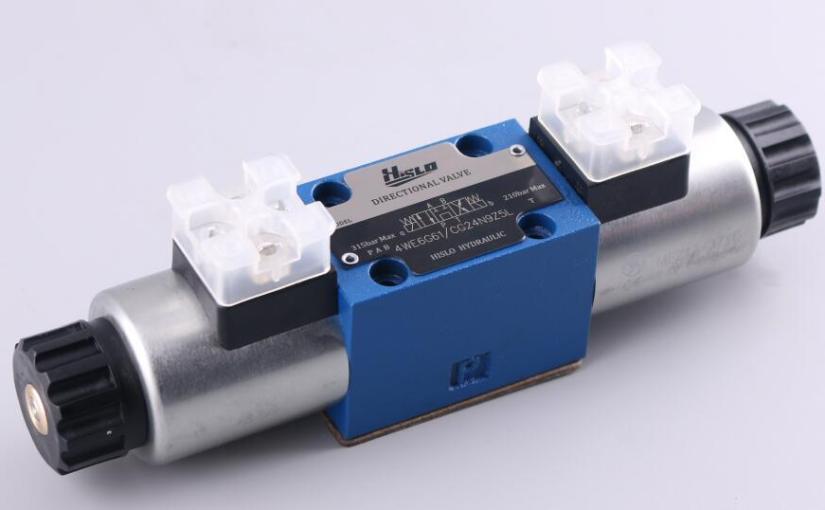
Best Quality Hydraulic Solenoid Valves

When it comes to hydraulic systems, the quality of solenoid valves is paramount to ensure optimal performance and reliability. Selecting the best quality hydraulic solenoid valves is essential for the efficient operation of hydraulic machinery and equipment.

In this comprehensive guide, we’ll explore the key factors to consider when choosing hydraulic solenoid valves of the highest quality, empowering you to make informed decisions for your hydraulic system needs.

Understanding the Role of Hydraulic Solenoid Valves

Before delving into the selection process, it’s crucial to understand the significance of hydraulic solenoid valves in hydraulic systems. These valves control the flow of hydraulic fluid within a system, regulating the direction, pressure, and volume of the fluid to execute specific functions such as actuation, stopping, and diverting of fluid flow. Quality solenoid valves are essential for ensuring precise and efficient control within hydraulic systems.

Reliability and Durability

One of the primary considerations when choosing hydraulic solenoid valves is the reliability and durability of the components. Look for valves constructed from high-quality materials such as stainless steel or brass, as well as those that are designed to withstand the demanding conditions of hydraulic applications. Valves with robust construction and durability are crucial for long-term performance and minimal maintenance requirements.

Compatibility and Application-Specific Requirements

Selecting the best quality hydraulic solenoid valves involves assessing their compatibility with the specific hydraulic system and application requirements. Consider factors such as pressure ratings, flow capacity, temperature range, and compatibility with different hydraulic fluids. Ensuring that the valves are tailored to meet the unique demands of the system and application is essential for achieving optimal performance and longevity.

Precision and Response Time

The precision and response time of hydraulic solenoid valves significantly influence the effectiveness of hydraulic systems. High-quality valves exhibit precise control over fluid flow and demonstrate swift response times, enabling efficient and accurate operation. Evaluate the responsiveness and precision of the valves to ensure that they meet the performance standards required for the intended application.
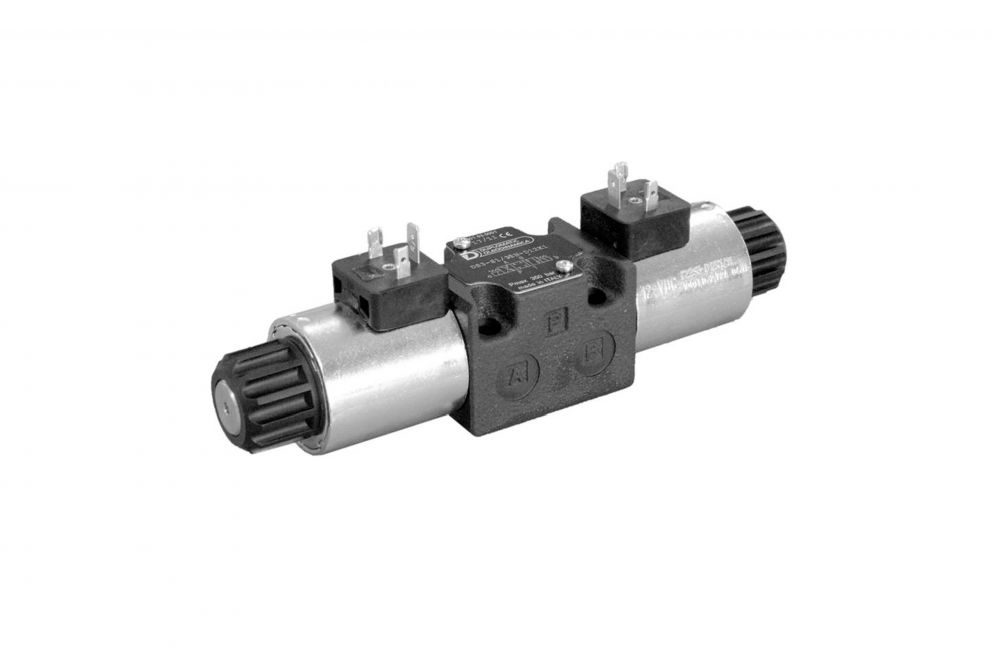
Best Quality Hydraulic Solenoid Valves

Sealing and Leakage Prevention

Quality hydraulic solenoid valves must incorporate effective sealing mechanisms to prevent fluid leakage and ensure a reliable seal under varying pressures and operating conditions. Valves featuring resilient seals, are crucial for maintaining tight seals and preventing potential leaks within the hydraulic system. Leakage prevention is essential for the safety and efficiency of hydraulic operations.

Environmental Considerations and Resistance

In environments that are exposed to extreme temperatures, corrosive substances, or harsh operating conditions, the best quality hydraulic solenoid valves are designed to resist environmental challenges. Look for valves that are resistant to corrosion, chemicals, and contaminants, as well as those that can withstand temperature fluctuations and exposure to external elements. Environmental resistance contributes to the longevity and reliability of the valves.

Manufacturer Reputation and Standards Compliance

When sourcing hydraulic solenoid valves, consider the reputation and credibility of the manufacturers. Reputable manufacturers adhere to industry standards and certifications, ensuring that their valves meet strict quality and performance criteria. Research the reputation and track record of the manufacturers to identify reliable sources of hydraulic solenoid valves that prioritise quality and compliance with industry standards.

Cost-Effectiveness and Long-Term Value

While the focus is on quality, it’s also essential to consider the cost-effectiveness and long-term value offered by the hydraulic solenoid valves. Assess the overall lifecycle cost, including initial investment, maintenance requirements, and longevity, to determine the value proposition of the valves. Investing in high-quality valves that offer long-term reliability and performance can result in cost savings and operational efficiency over time.

Conclusion

In conclusion, choosing the best quality hydraulic solenoid valves is a critical decision that directly impacts the performance, reliability, and longevity of hydraulic systems. By considering factors such as reliability, compatibility, precision, sealing, environmental resistance, manufacturer reputation, and long-term value, you can identify and select valves that meet the highest standards of quality and performance.
Prioritising the selection of quality hydraulic solenoid valves is essential for optimising the functionality of hydraulic systems and ensuring consistent and reliable operation.
5 Easy Ways to Maintain Your Hydraulic Pumps Like a Pro!

Hydraulic pumps play a crucial role in various industries, from construction and manufacturing to agriculture and transportation. These powerful machines are essential for converting mechanical power into hydraulic energy, enabling the smooth operation of a wide range of equipment.

To keep your Hydraulic Pumps running efficiently and extend their lifespan, proper maintenance is key.

Explore five easy ways to maintain your hydraulic pumps like a pro:

  1. Regular Inspection is the Key

Inspecting your hydraulic pumps regularly is the first step in ensuring their optimal performance. Look for any signs of leaks, unusual noises, or changes in performance. Check the fluid levels and quality, as contaminated or insufficient hydraulic fluid can lead to pump failure.

Addressing minor issues early can prevent major breakdowns and save you both time and money in the long run.

  1. Keep It Clean

Maintaining a clean environment around your hydraulic pumps is essential. Dust, dirt, and debris can find their way into the system, causing damage to internal components. Use compressed air or a vacuum to remove any contaminants from the pump’s exterior.

Additionally, make sure to keep the hydraulic fluid clean and free from impurities by using high-quality filters and changing the fluid at recommended intervals.

  1. Lubrication is Vital

Proper lubrication is critical for the smooth operation of hydraulic pumps. Check the manufacturer’s guidelines to ensure you’re using the correct type of lubricant and applying it at the recommended intervals. Insufficient lubrication can lead to increased friction, wear, and even pump failure.

Remember to replace any worn-out parts and seals during routine maintenance to avoid leaks and ensure the pump’s longevity.

  1. Monitor Operating Conditions

Monitoring the operating conditions of your hydraulic pumps can help you detect potential issues early on. Keep an eye on the temperature and pressure levels regularly. Unusual spikes or drops in these parameters can indicate underlying problems.

If your equipment is frequently operating at extreme conditions, consider installing additional cooling or heating systems to maintain a stable environment for your hydraulic pumps.

  1. Train Your Operators

Often overlooked, proper training for your equipment operators is essential for maintaining hydraulic pumps effectively. Make sure your staff understands the importance of regular maintenance and knows how to identify warning signs.

Teach them the correct procedures for handling hydraulic systems, including startup and shutdown routines, to avoid unnecessary strain on the pumps.

Conclusion

Taking care of your hydraulic pumps doesn’t have to be a complex task. By following these five easy ways, you can maintain your hydraulic pumps like a pro!

Regular inspections, cleanliness, lubrication, monitoring, and well-trained operators will ensure your pumps operate smoothly, efficiently, and have a longer lifespan. Remember, preventative maintenance is always more cost-effective than dealing with unexpected breakdowns.

Investing time and effort in maintaining your hydraulic pumps will not only save you money but also boost productivity and minimise downtime in the long run.

So, take charge of your hydraulic pump maintenance today and enjoy the benefits of reliable and efficient equipment for years to come.

Source – https://hydraulic-filter.blogspot.com/2023/08/5-easy-ways-to-maintain-your-hydraulic.html

Why Is It Essential To Buy Best Hydraulic Solenoid Valves?

Hydraulic solenoid valves are used to control the flow of fluid through a hydraulic system. They are available in various types and sizes, with each type being suited for different applications. 

Best quality Hydraulic Solenoid Valves can be used in industrial tools such as cranes, lifts, forklifts, presses and other equipment that relies on hydraulics. The use of these valves ensures safety during operation as they provide protection against damage caused by overloading or under-pressurization of their components.

What All Are the Various Types of Hydraulic Solenoid Valves?

The various types of solenoid valves are as follows:

  • Check valves: These are used to prevent flow in the direction which is opposite to the intended one.
  • Pressure relief valves: These allow oil or gas out of an enclosure when internal pressure reaches a specified level beyond which it cannot be contained any more.
  • Temperature relief valve: This releases fluid when its temperature rises beyond a certain limit, preventing overheating damage to equipment and other items.

Pressure and temperature relief valves are used in a variety of industries, including oil and gas, water treatment facilities, chemical plants and more. They prevent equipment failure and damage by releasing excess pressure or heat that cannot be contained any more.

The valves are used in a variety of ways and industries, including oil and gas, water treatment facilities, chemical plants and more. They prevent equipment failure and damage by releasing excess pressure or heat that cannot be contained any more.

Other Considerations and Tips for Purchasing Quality Solenoid Valves

You should also be sure that the company you purchase from is reliable and trustworthy. They should have a good reputation to back up their products, as well as excellent customer service. The best way to ensure that you’re purchasing quality solenoid valves is to buy them from a trusted supplier.

It’s also important to make sure that the company offers a warranty policy, so that if anything goes wrong with your product within a reasonable amount of time after purchase (usually around 30 days), they will replace or repair it free of charge.

Where to Buy the Best Hydraulic Solenoid Valves from?

When you are buying solenoid valves, it is important to buy them from a reputable supplier. This can help you avoid scams and counterfeits. You should also check the quality of the solenoid valves to ensure they are not faulty or damaged.

You should ask for recommendations from your family and friends who have bought hydraulic components in the past so that you can get an idea of what type of products they would recommend. This can help narrow down your options when searching for these products online.

When purchasing your new solenoid valve, make sure that it comes with a warranty and return policy so that if there are any problems with your order, then you will be able to receive a full refund or exchange without any hassle!

Conclusion

We hope that this article has helped you understand the importance of buying Best Hydraulic Solenoid Valves. In case you are looking for some good options in the market, we recommend to take references.

The Role Of Hydraulic Oil Filters For Motor Vehicle

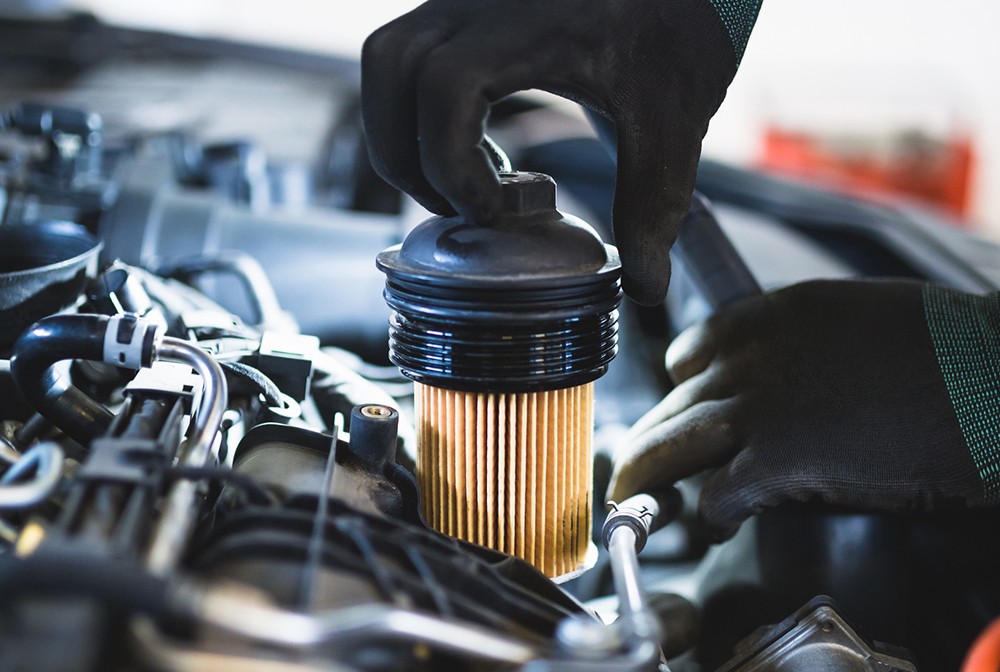
One of the most important parts of your vehicle is its oil filter. Hydraulic Oil Filters  play an integral role in making sure that your vehicle’s engine stays clean and healthy.

If you neglect this part of your car, it could lead to costly repairs later on down the road. In order to avoid this situation, make sure that you know what a hydraulic oil filter does and how it works.

Design

The design of the filter is one of the most important factors in determining how well it will work. The performance of a filter depends on how well it matches up with the oil being filtered and its flow rate, which is determined by two factors:

  • Type of oil being filtered
  • Shape of filter cartridge (round or rectangular)

Filters are designed to match their intended application and type of fluid, so you should make sure that your system’s filter matches those requirements. 

The shape and size of the filter cartridge itself can vary depending on your system’s requirements; some systems may require round cartridges while others require rectangular cartridges, depending on what kind of oil needs to be filtered out from both types before reaching certain parts inside your engines or other machines where they could cause damage if not removed beforehand by using good-quality hydraulic filters.

Functionality

best quality Hydraulic oil filters are designed to remove contaminants from the hydraulic fluid and protect the hydraulic components. The filters have a specific purpose of allowing clean oil to flow through them while keeping contaminants out of your engine. They also keep the filter clean so that you don’t need to change it as often.

The filter traps dirt, water and other harmful elements that may enter the system during use. It’s important that these do not get into the engine because they could break down seals or cause other damage. A dirty filter can also allow dirt particles through if they are small enough, which will then contaminate your oil supply and cause even more problems than just an unclean filter would’ve caused alone!

There are two types of filters: mechanical and chemical/biological (sometimes referred to as “fiber”). Both types work similarly in that they remove particles from fluids before they reach critical areas like piston seals by trapping them with pores within their structure – but only one works for both air conditioning refrigerant lines AND brake fluid hoses (and possibly other things).

Features

Hydraulic oil filters are used to remove contaminants from hydraulic fluid, which is a type of liquid that’s used to transfer energy from an engine and power tools. 

In order for a hydraulic oil filter to work properly, it should be able to withstand high pressure and flow rates, offer good filtration efficiency, be easy to install and remove.

Types of oil filters

There are many types of oil filters available to help you keep your vehicle running smoothly. The most common types of oil filters include:

  • Mechanical
  • Hydraulic
  • Pump
  • Electronic (also called solid-state or integrated) and centrifugal.

Conclusion

In conclusion, we can say that Hydraulic Oil Filters is very important for ensuring the smooth running of your vehicle. It will protect your engine from wear and damage caused by dirt particles in the oil. 

Why Choosing the Right Hydraulic Solenoid Valve is Important?

The Best Hydraulic Solenoid Valve is an electromechanically operated valve. Solenoid valves are used to control the flow of fluid within a hydraulic system. The heart of any hydraulic system is the pump which generates flow and pressure. The purpose of a solenoid valve is to direct, start, and stop this flow using electrical signals.

There are many different types of hydraulic solenoid valves available on the market, so it is important to choose the right valve for your particular application. This blog post will provide an overview of the different types of valves and offer some tips on how to select the right one for your needs.

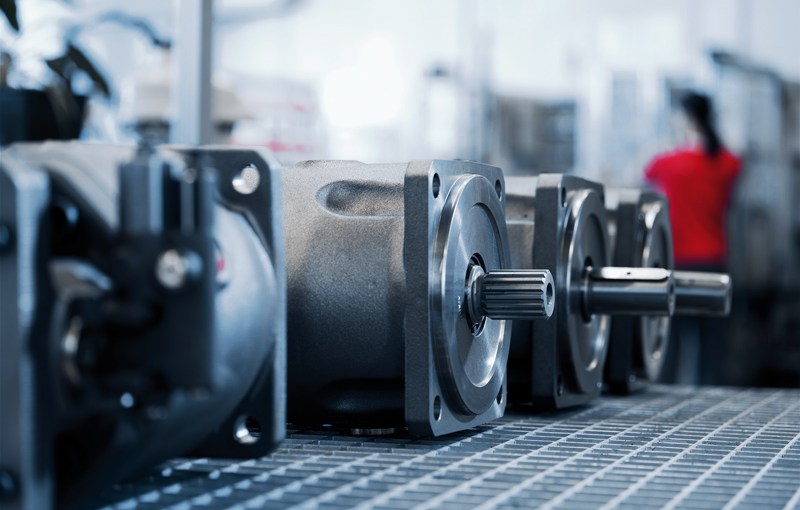
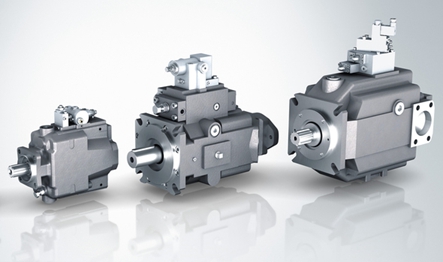
Hydraulic Pump

Types of Hydraulic Solenoid Valves

Best Hydraulic Solenoid Valves can be classified in a number of ways, including by function, structure, and material. The most common classification is by function, which includes directional control valves, pressure control valves, and flows control valves.

– Directional Control Valves

Directional control valves are the most common type of valve used in hydraulic systems. They are used to direct fluid flow into different channels. The most common type of directional control valve is the 4/2-way valve, which has four ports and two possible positions. The 4/2-way valve can be normally open or normally closed.

– Pressure Control Valves

Pressure control valves are used to maintain constant pressure in the system regardless of changes in load or flow rate. Two common types of pressure control valves are relief valves and sequence valves. Relief valves are used to protect the system from excessive pressures by relieving excess fluid back to the tank when the preset pressure is exceeded. Sequence valves are used to activate cylinders in a specific order by controlling the flow of fluid to each cylinder.

How to Select Hydraulic Solenoid Valves?

Blog Introduction: Hydraulic solenoid valves are an important part of hydraulic systems. They are used to control the flow of hydraulic fluid and they come in a variety of shapes and sizes. So, how do you select the right hydraulic solenoid valve for your system? Here are four factors to consider.

Size

The first factor you need to consider is size. Hydraulic solenoid valves come in a range of sizes, from small valves that can handle a few liters per minute to large valves that can handle hundreds of liters per minute. It’s important to select a size that is appropriate for your system; if you select a valve that is too small, it will become overloaded and may fail. If you select a valve that is too large, it will be inefficient and MAY cause damage to your system.

Pressure

The second factor you need to consider is pressure. Hydraulic solenoid valves are rated for different maximum pressures. You need to make sure that the valve you select can withstand the pressure in your system; if the valve is not rated for high enough pressure, it will fail.

Temperature

The third factor you need to consider is temperature. Some hydraulic solenoid valves are designed to operate at high temperatures, while others are designed to operate at low temperatures. You need to make sure that the valve you select can withstand the temperature extremes in your system; if the valve is not rated for high enough temperature, it will fail.

Media

The fourth factor you need to consider is the media. Hydraulic solenoid valves are designed to work with different types of hydraulic fluids; some are compatible with oil-based fluids, while others are compatible with water-based fluids. You need to make sure that the valve you select is compatible with the type of fluid you’ll be using; if the valve is not compatible with your fluid, it will fail.

Conclusion:

There are a lot of factors to consider when selecting hydraulic solenoid valves. Size, pressure, temperature, and media compatibility are all important factors that will affect the performance of your system. Make sure to do your research and select a valve that is appropriate for your application.

Source – https://www.apsense.com/article/why-choosing-the-right-hydraulic-solenoid-valve-is-important.html

The Importance of Hydraulic Filters For Hydraulic Systems

Hydraulic systems manage the flow of fluids in buildings, roads, streets, and other structures. These systems are connected through joints called joints. In a joint, two or more pieces of equipment connected by a hose have their respective fluids flowing from one source to another. The most important part about Hydraulic Filters is that they help you run clean and draining water wherever you need it.

When you work with a company that understands how hydraulic systems work together, you get great results and efficient operations at an affordable price.

Read on to learn more about hydraulic filters and what they can do for your project.

  • What makes a good hydraulic filter?

One of the most important things to remember about a hydridical system is that it’s designed to work with one and multiple parts. Hydraulic lines are not simply connected by hose, they are also connected by a system that consists of several components and devices. This system is called the joint. The main components of a Hydraulic Power Units are the line, the fittings, and the elements. A line is a piece of equipment connected to the joint and connected to the outside world by some kind of hose. A fitting is a part that helps to connect the line to the joint. A device is also called a component and it helps to support the structure of the joint.

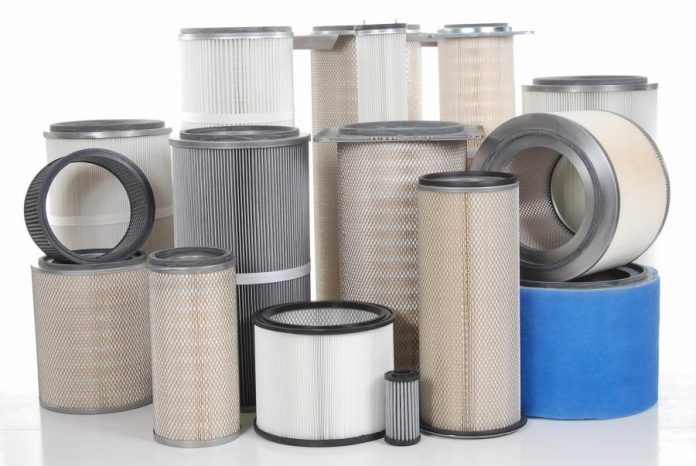
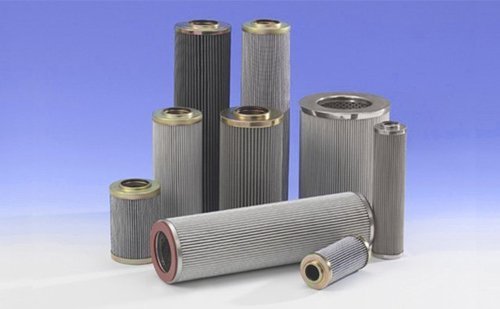
Hydraulic Filter

  • The importance of hydraulic filters in hydraulic systems

When running clean and draining water wherever you need it, you need to know how to properly use a hydraulic filter. In order to reduce the amount of water and oil that can get into the joint, you need to make sure that the amount of water and oil is low. To do this, you need to make sure that the amount of water and oil that is entering the joint is low. Another important thing to remember about a hydridical system is that it’s designed so that it can handle a wide variety of situations. In order to be effective in handling a wide variety of situations, a hydridical system needs to be able to handle a variety of conditions.

  • How to Properly Use a Hydraulic Filter?

One of the most important things you can do to make sure your project runs as smoothly and efficiently as possible is to make sure that you know how to properly use a hydraulic filter. This can be done by looking at the product itself and seeing what it can do for your project. If you look at a hydraulic filter on the website for the company that produces it, you will probably notice that it has a lot of information about how it works, how to use it, and how to prepare for a Hydraulic Line Event. These can be a great source of information if you aren’t used to using them.

Conclusion

A good hydraulic system works with the different equipment types and helps them run cleanly and efficiently. It also reduces the amount of water and oil that gets into the joint from a clean and healthy source.

Source – https://hyspechydraulicpumps.weebly.com/blog/the-importance-of-hydraulic-filters-for-hydraulic-systems