A Detailed Walkthrough: Professional Hydraulic Cylinder Repair Process 

Welcome to the world of hydraulic systems! Whether you’re in construction, manufacturing, or any field that relies on heavy machinery, knowing the ins and outs of hydraulic cylinder repair is vital. 

These cylinders are the workhorses behind the powerful, controlled movements of machinery. However, they’re not immune to wear and tear. 

In this blog, we’ll guide you through the professional process of repairing hydraulic cylinders, ensuring your equipment operates at peak performance for longer periods. 

So, let’s dive into this essential maintenance task and ensure your machinery continues to serve you efficiently and reliably.

Overview of Hydraulic Cylinder Repair Process

Maintaining and repairing hydraulic cylinders is paramount to ensuring that machinery runs efficiently and lasts longer. 

A professional hydraulic cylinder repair process not only helps in restoring the cylinder’s optimal performance but also prevents future failures, ultimately saving time and resources.

Importance of Proper Repair

Proper hydraulic cylinder repair is crucial for several reasons. Firstly, it ensures that the hydraulic system operates at its peak, providing the necessary power for machinery. 

Secondly, it significantly reduces the likelihood of unexpected breakdowns, which can be costly and disrupt operations. Proper repair also extends the lifespan of the cylinder and the hydraulic system, making it a cost-effective solution in the long run.
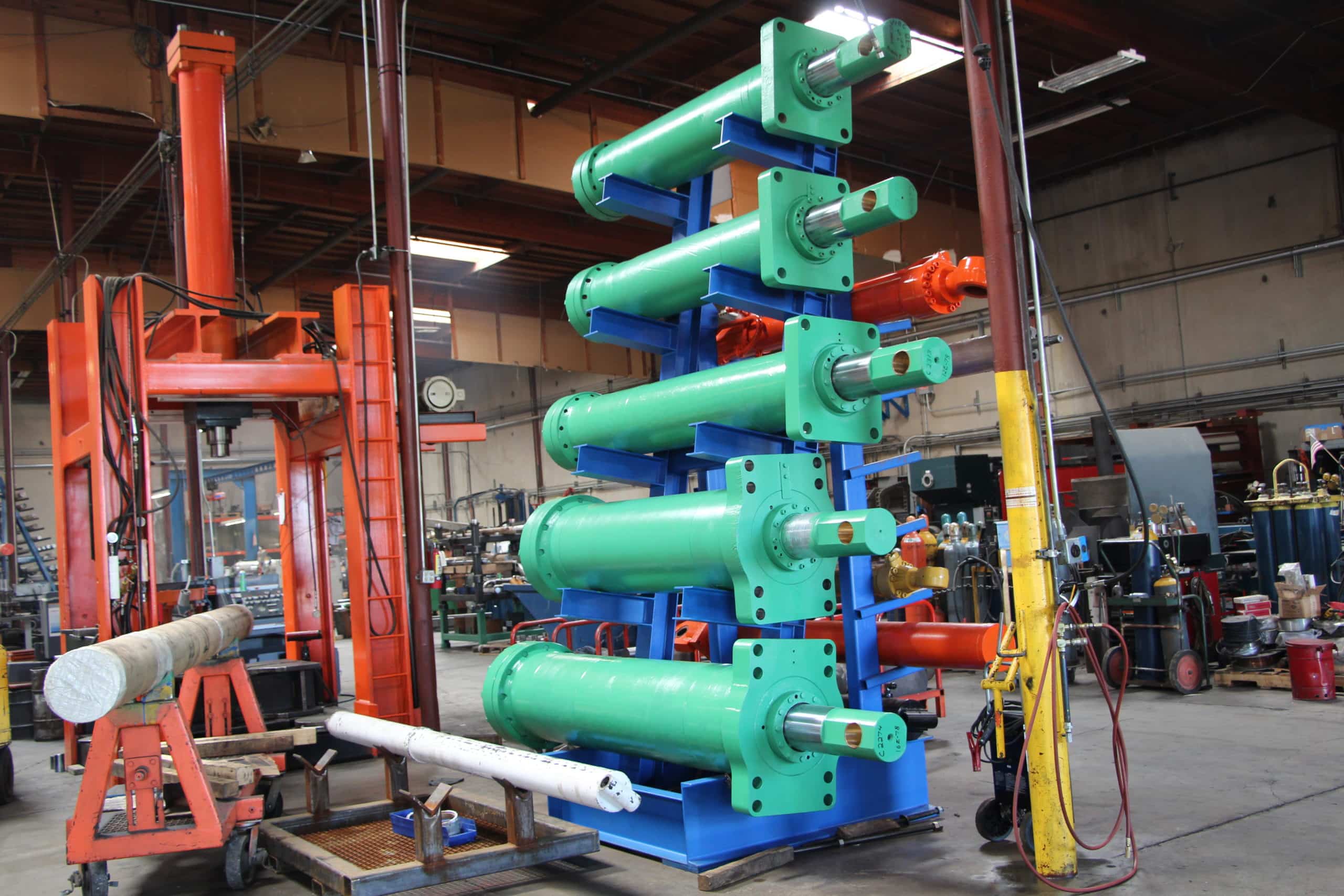
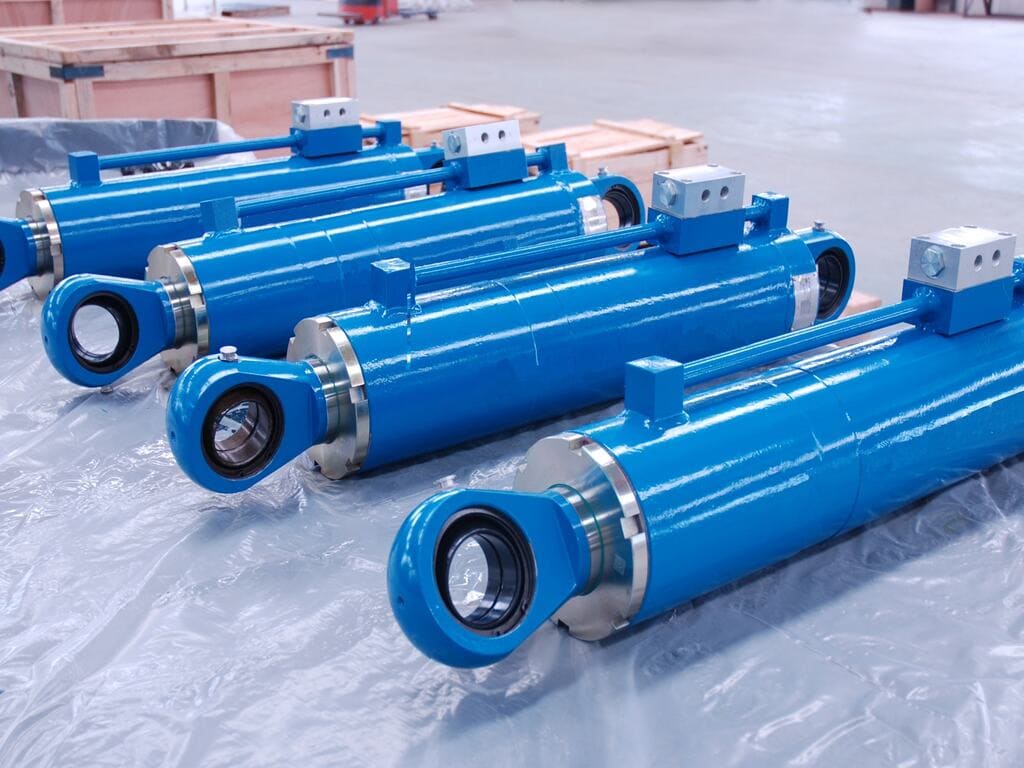
hydraulic cylinder repair

Common Issues with Hydraulic Cylinders

Several issues can affect hydraulic cylinders, requiring professional attention. These include:

– Leaks in the seals, which can lead to loss of pressure and fluid.

– Wear and tear on the piston rod and cylinder bore, affecting the system’s efficiency.

– Contamination of hydraulic fluid, which can cause damage to internal components.

– Corrosion of metal parts, especially in harsh environments.

Understanding these common issues is the first step in addressing and preventing them through professional repair and maintenance.

Initial Inspection of Hydraulic Cylinder

Before diving into the repair process, an initial inspection is essential to accurately assess the condition of the hydraulic cylinder and identify any issues.

Visual Inspection

A thorough visual inspection is the first step in assessing a hydraulic cylinder’s condition. This examination involves checking for visible signs of wear, damage, or corrosion on the cylinder body, piston rod, and seals. It’s also crucial to look for any misalignment that could indicate potential internal problems.

Testing for Leaks

After the visual inspection, testing for leaks is a vital step. Leaks can occur both internally, where fluid passes from the high-pressure side to the low-pressure side without making it past the piston, and externally, where fluid escapes the cylinder altogether. 

Using specialised equipment, professionals can apply pressure to the system to identify any leaks, which are common indicators of seal failure or damage to the cylinder’s structure. 

Addressing these leaks early on can prevent more significant issues down the line and ensure the hydraulic system operates efficiently.

Disassembly of Hydraulic Cylinder

Proper Disassembly Techniques

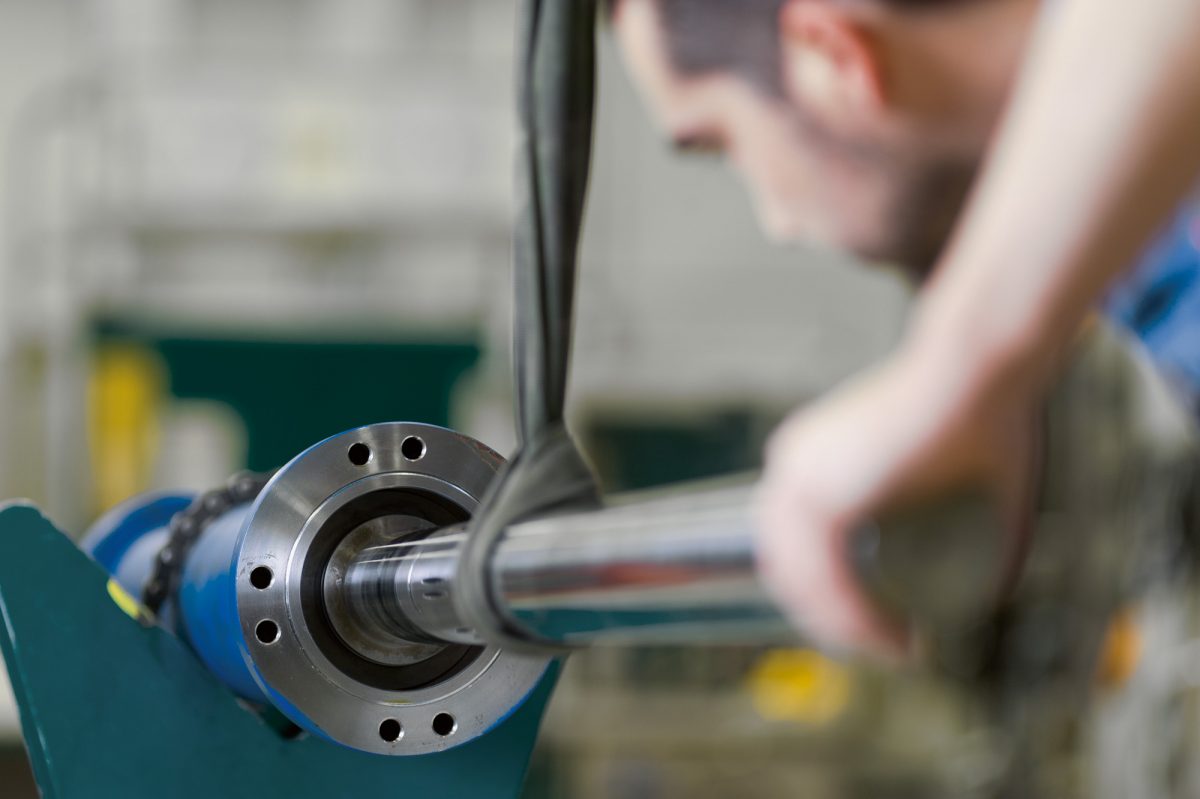
Disassembling a hydraulic cylinder is like solving a complex puzzle with care and precision. It begins by carefully relieving any pressure within the cylinder to ensure safety. Then, each component, including the cap, gland, piston, and rod, is methodically removed. 

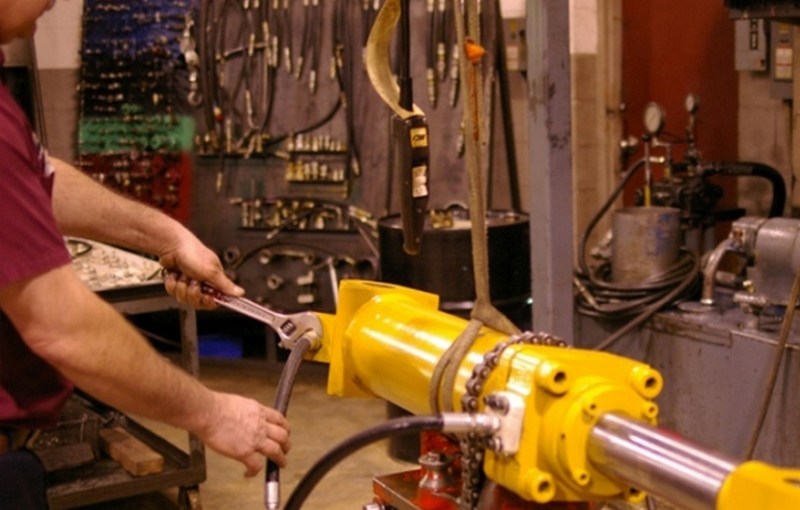
Special tools, such as spanner wrenches and cylinder disassembly benches, are employed to prevent damage to the components. The key is to maintain the integrity of each part, avoiding any unnecessary force that could cause harm. 

This step requires patience and meticulous attention to detail, ensuring that each piece is catalogued for reassembly.

Inspection of Individual Components

Once disassembled, each part of the hydraulic cylinder undergoes a thorough inspection. This process is akin to a health check-up, seeking out any signs of wear, corrosion, or damage. 

The rod and cylinder bore are scrutinised for scratches or pitting, which could impair the cylinder’s performance.

Seals and O-rings are checked for wear and elasticity, as these are often the first components to show signs of failure. This detailed inspection helps to identify any hidden issues that might compromise the cylinder’s efficiency, ensuring that only perfectly functioning parts are reassembled.

Replacement of Damaged Parts and Seals

Identifying Damaged Parts

Identifying damaged parts is a critical step in the hydraulic cylinder repair process. Based on the inspection, components that are beyond repair or show significant wear are earmarked for replacement. 

Common culprits include bent rods, scored cylinders, and worn seals. The goal is to identify any parts that could negatively impact the performance or lifespan of the hydraulic cylinder, ensuring that the repaired cylinder operates as efficiently as a new one.

Selecting Quality Replacement Seals

When it comes to seals, opting for high-quality replacements is non-negotiable. 

Seals are the lifeline of hydraulic cylinders, ensuring fluid doesn’t leak and maintaining pressure within the system. 

Selecting the right seals involves matching the material and specifications to the cylinder’s requirements, considering factors such as temperature, pressure, and fluid type. 

Quality seals offer resilience against wear and tear, ensuring the longevity and reliability of the hydraulic cylinder. Investing in superior-quality seals means fewer repairs down the line, saving time and money in the long run.

Cleaning and Preparation for Repair

Before diving into the thick of repairs, ensuring that the hydraulic cylinder and its components are clean is crucial. 

This step is pivotal for two main reasons: it prevents contamination from interfering with the repair process and allows for a thorough inspection of all parts. The cleaning process involves removing any dirt, grime, and hydraulic fluid remnants using specialised cleaning agents and tools designed for hydraulic systems.

During the cleaning process, it’s essential to inspect each component for signs of wear, damage, or corrosion. Attention to detail is key, as even minor imperfections can lead to significant issues down the line. 

Detailed documentation of any issues discovered during this process is crucial for deciding whether to repair or replace specific parts.

Reassembly of Hydraulic Cylinder

The reassembly process is where precision and expertise come into play. After cleaning and inspection, ensuring that each part of the hydraulic cylinder is correctly reassembled ensures the unit operates efficiently and safely.

Assembly of Components

Reassembling the hydraulic cylinder involves putting back together the cleaned and inspected or new components in their correct order. 

Start by carefully installing the piston and seals onto the piston rod, making sure that all seals are correctly positioned to prevent leaks. Next, the piston rod assembly is inserted into the cylinder barrel. 

It’s essential to lubricate all moving parts and seals with a thin layer of hydraulic oil during assembly to ensure smooth operation and prevent initial wear.

Torque Specifications and Guidelines

Adhering to proper torque specifications is critical during the reassembly process. Each component of the hydraulic cylinder, especially the bolts and nuts, needs to be tightened to the manufacturer’s recommended torque values. These specifications ensure that components are sufficiently tightened without being overstressed, which could lead to premature failure.

Using a calibrated torque wrench is the best practice, as it provides the precision required for these specifications. Additionally, it’s important to follow any sequence guidelines provided by the manufacturer for tightening bolts. 

This sequence is designed to ensure an even distribution of pressure and prevent misalignment of the cylinder components. Once the cylinder is fully reassembled, a final inspection and test should be conducted to ensure it meets all operational standards.

Testing and Final Adjustments

After the meticulous process of disassembly, cleaning, and replacing all necessary parts, the hydraulic cylinder is almost set to go back into action. However, before it can be declared fully functional, it needs to go through a series of tests and adjustments to ensure it operates safely and efficiently.

Pressure Testing

The first step in this final phase is pressure testing. This is crucial to verify that the cylinder can handle the operational pressures it will face in the field. During pressure testing, the cylinder is subjected to pressures that match or exceed its normal operating pressures.

 This test helps to identify any leaks or weaknesses in the seals or the cylinder structure. It’s like giving the cylinder a trial by fire, ensuring it’s tough enough to handle its tasks without failure.

Adjusting Hydraulic Cylinder Settings

Once the cylinder passes the pressure test with flying colours, it’s time to adjust its settings for optimal performance. This could include fine-tuning the piston’s speed, the force it exerts, and the fluid flow rate. 

These adjustments ensure the cylinder operates smoothly within the specific requirements of the hydraulic system it’s a part of. Think of it as calibrating the instrument to play the perfect tune.

Final Inspection

The final inspection is the last checkpoint before the hydraulic cylinder can be reinstalled. 

This meticulous examination includes checking for any signs of leaks, ensuring all parts are properly tightened, and verifying that all repairs meet the expected quality standards. It’s the final nod of approval that says, “Yes, this cylinder is ready to go back to work.”

Tools Required for Professional Hydraulic Cylinder Repair

A professional hydraulic cylinder repair is no small feat and requires an array of special tools to get the job done right. The right tools not only make the repair process more efficient but also ensure the longevity and reliability of the cylinder post-repair.

List of Essential Tools

– Wrench sets: For loosening and tightening bolts and nuts.

– Seal installation tools: These are used to properly install seals without damage.

– Hydraulic piston rod clamp: To secure the rod without causing surface damage.

– Cylinder hone: This is used to refinish the interior surface of the cylinder.

– Measuring tools (micrometres, callipers): To precisely measure parts for wear and fit.

Having these tools at hand is crucial for tackling the various steps involved in repairing a hydraulic cylinder, from disassembly to reassembly.

Importance of Using Proper Tools

Utilising the proper tools is not just about making the repair process smoother; it’s about ensuring the repair is done to a professional standard. 

The right tools help prevent damage to parts during disassembly and reassembly, ensure accurate measurement and fit of replacement parts, and ultimately lead to a more reliable and longer-lasting repair. 

In the world of hydraulic cylinder repair, the quality of the tools is as important as the skill of the technician using them.

Conclusion

As we’ve journeyed through the meticulous process of professional hydraulic cylinder repair, it’s clear that maintaining the integrity and functionality of these essential components is not a task to be taken lightly. 

Remember, proper maintenance doesn’t just prolong the life of your hydraulic cylinders; it also enhances the performance and reliability of your entire hydraulic system.

Understanding the professional hydraulic cylinder repair process empowers you to make informed decisions about the care and maintenance of your hydraulic systems. 

How To Select The Right Hydraulic Cylinder Repair Service?

Hydraulic cylinders are a critical part of many industrial and manufacturing systems, so when it comes time for repair or servicing, you want to make sure that you choose the right company to do the job.

Here are some things to consider before contacting a Hydraulic Cylinder Repair service company:

Does your cylinder need repair or service on-site?

When you need to select a Hydraulic Cylinder Repair Service, it’s important to know whether your cylinder can be repaired on-site or if it needs to be sent off for service. If you are in a hurry and want the work done as quickly as possible, then choosing one that offers on-site repairs is best for you. This will ensure that your machine won’t have any downtime while being repaired.

If however, there isn’t an urgent need for repairing your machine or if there is time available before needing it again then sending it back to its manufacturer could be beneficial depending on whether they offer this option under warranty terms (some do).

Hydraulic Cylinder Repair Service

How much time do you have to get the work done?

The next thing you need to think about is how much time you have to get the work done. If you have a lot of time, then it’s best to select a repair service that is close to your home or office.

If you are in a hurry and need your hydraulic cylinder repaired quickly then select one that is close by your customer so they can pick it up on their way back home after dropping off their vehicle at their location.

The next thing to consider is the cost of the repair service. You want one that will be affordable and won’t cost you an arm and a leg.

The next thing to consider is the experience of the repair shop. You want one that has plenty of experience in Hydraulic Power Units and knows what they are doing. The last thing you want is for them to break something else while repairing your cylinder.

How much are you willing to spend on repairs?

You should also consider the cost of the repair. If you have a small business, it might not be worth paying for expensive repairs if it means putting your company in jeopardy by losing money during downtime.

However, if you’re working on an older machine that’s nearing retirement anyway and needs new parts anyway, then it might make sense to invest in repairing the old one instead of buying something new.

If you’re considering replacing a computer for your business, it’s important to think about what kind of work you do and how much downtime is acceptable. If you’re running a business that relies on uptime, then buying new equipment might be the better option. However, if you’re working on an older machine that’s nearing retirement anyway and needs new parts anyway, then it might make sense to invest in repairing the old one instead of buying something new.

Conclusion

We hope that we have been able to provide you with some useful information about how to select the right Hydraulic Cylinder Repair service.

The Importance of Hydraulic Filters For Hydraulic Systems

Hydraulic systems manage the flow of fluids in buildings, roads, streets, and other structures. These systems are connected through joints called joints. In a joint, two or more pieces of equipment connected by a hose have their respective fluids flowing from one source to another. The most important part about Hydraulic Filters is that they help you run clean and draining water wherever you need it.

When you work with a company that understands how hydraulic systems work together, you get great results and efficient operations at an affordable price.

Read on to learn more about hydraulic filters and what they can do for your project.

  • What makes a good hydraulic filter?

One of the most important things to remember about a hydridical system is that it’s designed to work with one and multiple parts. Hydraulic lines are not simply connected by hose, they are also connected by a system that consists of several components and devices. This system is called the joint. The main components of a Hydraulic Power Units are the line, the fittings, and the elements. A line is a piece of equipment connected to the joint and connected to the outside world by some kind of hose. A fitting is a part that helps to connect the line to the joint. A device is also called a component and it helps to support the structure of the joint.

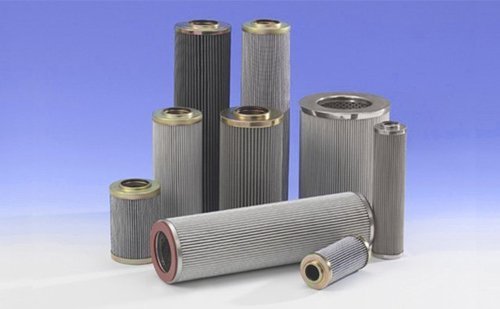
Hydraulic Filter

  • The importance of hydraulic filters in hydraulic systems

When running clean and draining water wherever you need it, you need to know how to properly use a hydraulic filter. In order to reduce the amount of water and oil that can get into the joint, you need to make sure that the amount of water and oil is low. To do this, you need to make sure that the amount of water and oil that is entering the joint is low. Another important thing to remember about a hydridical system is that it’s designed so that it can handle a wide variety of situations. In order to be effective in handling a wide variety of situations, a hydridical system needs to be able to handle a variety of conditions.

  • How to Properly Use a Hydraulic Filter?

One of the most important things you can do to make sure your project runs as smoothly and efficiently as possible is to make sure that you know how to properly use a hydraulic filter. This can be done by looking at the product itself and seeing what it can do for your project. If you look at a hydraulic filter on the website for the company that produces it, you will probably notice that it has a lot of information about how it works, how to use it, and how to prepare for a Hydraulic Line Event. These can be a great source of information if you aren’t used to using them.

Conclusion

A good hydraulic system works with the different equipment types and helps them run cleanly and efficiently. It also reduces the amount of water and oil that gets into the joint from a clean and healthy source.

Source – https://hyspechydraulicpumps.weebly.com/blog/the-importance-of-hydraulic-filters-for-hydraulic-systems

How Does a Professional Repair a Hydraulic Ram and Get It Running Again?

How do you get a hydraulic ram to work again? The hydraulic ram is a heavy and powerful piece of machinery that can only be controlled by a hydraulic system. If it gets damaged or needs to be fixed, it can be a frustrating experience. Whether you own a car, mobile equipment, or even a large construction company, a hydraulic ram can be an essential piece of your equipment arsenal. A Hydraulic Ram Repairs is a type of pneumatic ram that uses hydraulic pressure to control the movement of a bar or post. These can be found in a variety of different applications, including mining, agriculture, and construction. But what exactly is happening when you pull a hydraulic ram? Do they work the same way as a conventional pneumatic ram? How do you get a hydraulic ram to work again? Let’s take a look at how a professional Hydraulic Ram Repairs team get repaired and how to get it working again.

What is a Hydraulic Ram?

A hydraulic ram is a heavy and powerful piece of machinery that can only be controlled by a hydraulic system. A hydraulic ram is a type of pneumatic ram that uses hydraulic pressure to control the movement of a bar or post. These can be found in a variety of different applications, including mining, agriculture, and construction. But what exactly is happening when you pull a hydraulic ram? Do Hydraulic Ram Repairs need professional help? The hydraulics in these systems allow for more precision and stability than traditional pneumatic methods. Additionally, because Hydraulic Power Packs are so reliable, it’s often easier to get a hydraulic ram working again than it is to try to repair it.

Hydraulic Ram Repairs

5 Signs You Need to Get Repair a Hydraulic Ram

  1. The ram is not operational.
  2. The ram has lost its power.
  3. The ram doesn’t move the bar or post properly.
  4. The ram is stuck in an obstacle, or it’s difficult to move.
  5. There is a hydraulic fluid leak

How Does a Professional Help to Get Repairs?

When a hydraulic ram is damaged, the normal process for getting it working again is to remove all of the parts and rebuild it from scratch. But this can be a difficult and time-consuming task. That’s where professional services come in. A professional repairs a hydraulic ram using standard tools and techniques.

When you hire a professional to repair your hydraulic ram, you’re getting top-notch service. This type of service is expensive, but it’s worth it in the long run. With professional services, you won’t have to worry about the ram breaking down again. In addition, this type of service is often reliable and accurate. A professional will be able to get your hydraulic ram working again quickly and accurately.

Conclusion

Hydraulic rams are common equipment in the business and can be a valuable asset to any business. When it comes to Hydraulic Ram Repairs, professional help is the best option. By getting repairs done by a professional, you can rest assured that you will be getting the best possible service and value for your money. Hiring a professional to get repairs done can save you time and money, so don’t hesitate to call Professional!

Source – https://hyspechydraulicpumps.mystrikingly.com/blog/how-does-a-professional-repair-a-hydraulicram-and-get-it-running-again

How To Troubleshoot Hydraulic Solenoid Valve Problems?

Hydraulic Solenoid Valves are sturdy and dependable and, if hooked up and maintained efficiently, can offer a few years of service. In this blog we are able to examine steps that may be taken to assist enlarge the existence of your solenoid valve and preserve it working at ideal performance. We can even examine the way to identify, solve and save you troubles with Hydraulic Cylinder Repair.

Here are ways to troubleshoot Hydraulic Solenoid Valves problems.

Solenoid Valve Not Opening

Possible reasons consist of loss of electricity in the solenoid coil, burnt coil, incorrect voltage, strain differences (too excessive or too low), and dust of the membrane, valve seat, or tube. It also can be because of a crucial part of the solenoid valve lacking or being broken.

Before trying to repair the problem, decide the kind of solenoid valve you have. It will be a typically open or typically closed solenoid valve. Also, if it’s a directing performing or pilot operated type.

Hydraulic Solenoid Valves

Coil burned out, melted or bloodless with electricity on

Check if the electricity delivery is accurate and the coil can deplete warmth via way of means of airflow. Install a brand new coil and in no way electricity the coil while now no longer installed at the valve.

Check for moisture inside and update if necessary. Replace any broken or bent armatures as well, and test media compatibility together along with your valve. Don’t neglect to transport solenoid valves into cooler regions or you can boom airflow around valves and coil.

Valve Failure

Hydraulic Cylinders Valve failure may be prevented if the valve is hooked up and maintained efficiently and is operated in the limits of the specifications. Identifying the foundation purpose of a failure may be hard as various things can be concerned however the following may be used as a guide.

Exceeding the strain score of the solenoid valve can purpose harm to the valve additives. Tears in the diaphragm are commonly a demonstration of overstrain. In severe instances, immoderate strain can purpose harm to the valve frame and armature tube assembly. Pilot operated and assisted raise valves even have a minimal strain score that desires to be met for the valve to function.

Deformation of diaphragms, seals and o-earrings may be resulting from both the media temperature and the ambient temperature being out of doors the required temperature variety of the valve. Discolouration of additives may imply that the temperature score has been exceeded.

Solenoid Valve Noise

Buzzing sound is usually an everyday prevalent while alternating cutting-edge flows in the coil windings. In a few instances, the encompassing elements of the Hydraulic Solenoid Valves choose up the noise and purpose it to amplify.

Reduce the media pace via way of means of growing the diameter of the piping. You also can use a sluggish performing valve which includes a ball valve. That’s is due to the fact water hammer regularly consequences from valves with quick reaction times. Alternatively, you could make use of a water hammer arrestor to lessen the noise. It may be resulting from free additives resonating to the low hum of the solenoid coil.

Source – Way to Troubleshoot Hydraulic Solenoid Valve Problems

 Hydraulic Cylinders – The Complete Guidance with Purpose and Benefits

When your company’s operations include the lifting and moving of large equipment, Hydraulic Cylinder Repair is likely to come in handy without you even realising it.

A hydraulic cylinder, though you may not realise it, is a vital piece of equipment that ensures the safe and efficient transportation of large things or chemicals.

The professional team of hydraulic cylinder engineers initially designs the cylinder, taking into account the Hydraulic Filters intended application as well as the environment in which it will be used. Materials, coatings, seals, and other specialised pieces are all dictated by this.

You’ll be able to determine how hydraulic cylinders can help you in the course of business if you understand the numerous varieties of hydraulic cylinders on the market and what they’re used for.

Continue reading to learn more about them and how they might improve your career.

The Purpose:

  • Whether your business is on the street or not, by transporting goods or from a static base, for example from a warehouse or similar commercial space, perhaps utilizing hydraulic cylinders I have done it. If not, it’s probably possible and certainly should.
  • These components allow you to lift objects of considerable weight without the need for significant effort or external power. Large forces and precise movement are produced by hydraulic cylinders. As a result, they are made of strong materials such as steel, which can endure the high forces involved.
  • The effort that can be achieved comes from the pressure generated inside the device. This stems from the way different parts work together.
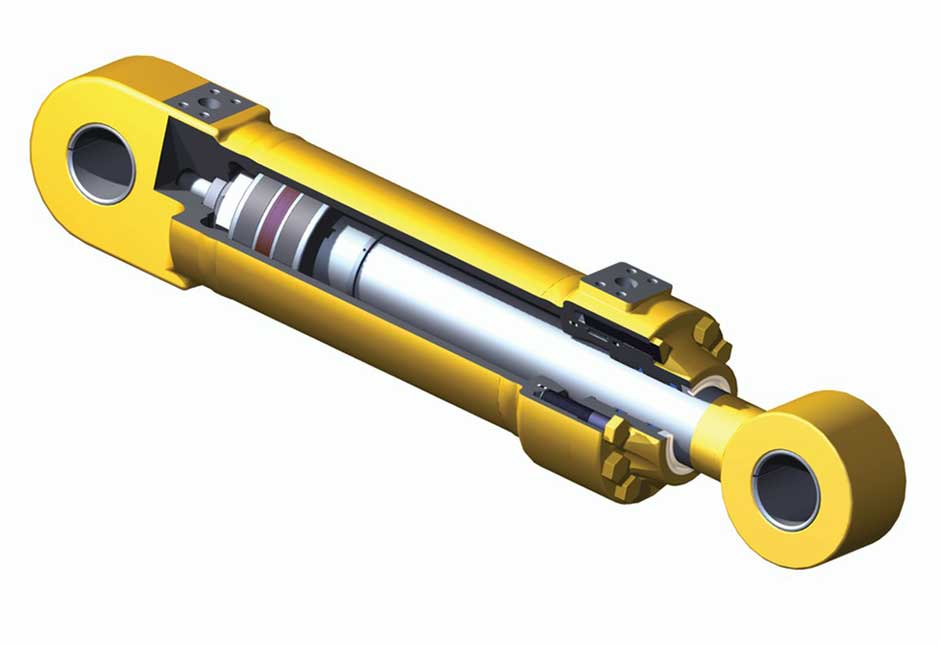
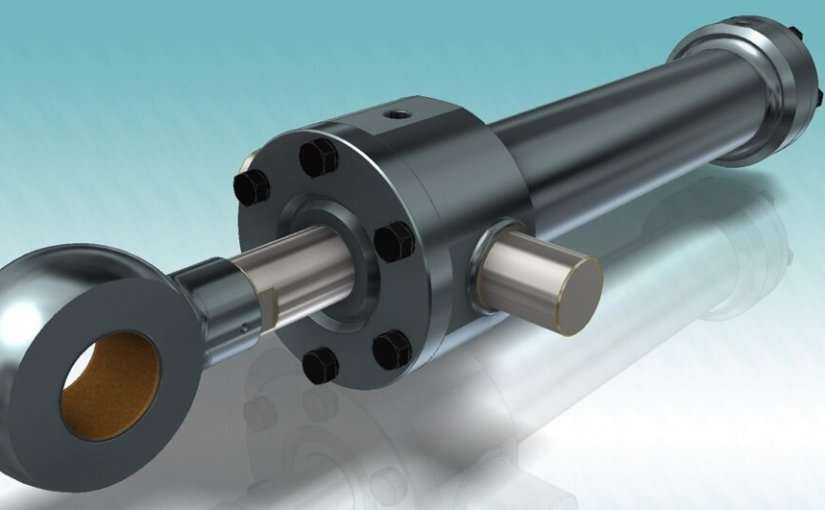
  • Hydraulic cylinders are made up of various parts such as pistons, piston rods, cylinder heads and cylinders.
  • Due to the position of the piston and the containment of hydraulic fluid, a situation occurs in which the output of the other side increases significantly with a small amount of pressure.
  • Simply put, they allow you to lift a lot of weight with enough force that far exceeds the force used to create it.

Hydraulic Cylinder Australia

The Benefits:

  • Hydraulic cylinders are especially well known for their ability to apply tremendous force, calculated primarily in pounds per square inch, to an object or mechanical device.
  • This technology allows machines to easily undertake huge tasks.
  • Hydraulic cylinders can exert a great deal of force on a machine, even if it is far from the power source.
  • The cylinder has an efficient power-to-weight ratio and a power-to-weight ratio.
  • The cylinder is equipped with hydraulic speed control and automatic overload protection.
  • Hydraulic cylinders are characterized by dimensional accuracy.
  • A hydraulic system, a fluid-powered system, can provide constant torque despite speed changes.
  • Hydraulic systems require fewer moving parts to operate and are easier to maintain than electrical and mechanical systems.

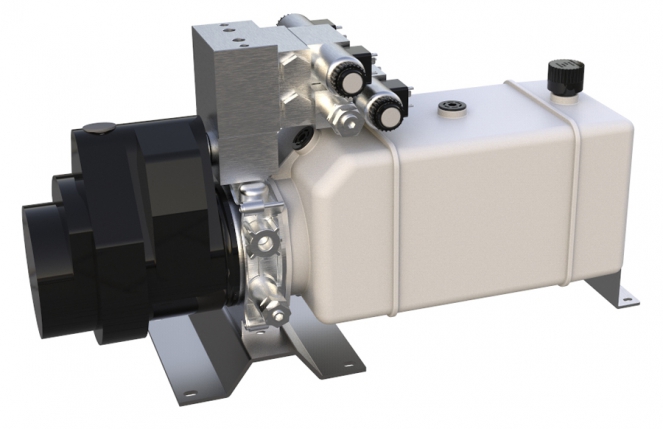
Knowing the advantages of Hydraulic Power Units can make a significant difference in your company. Within a short range, this equipment can hit targets repeatedly. That’s why you should work with hydraulic sales & service, a company that strives to be the area’s leading provider of these mechanisms.

Source – Guide To Hydraulic Cylinders with Purpose And Benefits

Ways to Eliminate Potential Hydraulic Cylinder Failure

Hydraulic cylinder is essential equipment that you are present of your industry has hydraulic equipment present. Just as any other hydraulic component like Hydraulic Hose With Fittings the cylinder does cost a considerable amount. You sure want to save it from failure or repairs. Yes, you can do it. You need to take care of a variety of aspects to ensure that it does not impact the cylinder in a negative way.

Though the best way to extend the longevity is Hydraulic Cylinder Repair but it would be best if you can eliminate the possibility of failure altogether.

Here are tricks that how you can Eliminate hydraulic cylinder Failure:

Ballooned Tubes

Cylinder barrel distension is usually caused by insufficient wall thickness and/or material strength for the working pressure of the cylinder. When the hose expands, the correct tolerance between the piston seal and the hose wall is lost, allowing high-pressure fluid to bypass the seal. This fast fluid can erode the seal, and the local heating caused by the pressure drop across the piston shortens the life of the seal, ultimately leading to premature failure of the piston seal.

Hydraulic Cylinders

Insufficient Bearing Area

If the surface area of the stuffing box and piston bearing band (wear band) is insufficient to adequately support the lateral pressure transmitted to the cylinder, the rod and piston seals will be exposed to excessive stress. This deforms the seal and ultimately leads to premature failure.

Maintain Hydraulic Seals

In order for a hydraulic cylinder to function properly, it is essential to supply a constant pressure fluid into the hydraulic cylinder. Special seals help create a tight connection between the cylinder and the movable rod. Damaged hydraulic cylinder seals can leak liquid from the cylinder and reduce performance. With proper care of the hydraulic seal, you can easily prevent the seal from leaking. Schedule regular visual inspections of all seals in the Hydraulic Power Packs system. Check for signs of hardening, cracking, or general wear. When storing the hydraulic seal, be careful not to damage it before installing it.

Rod Finish

Another significant reason for cylinder failure is the surface finish of the cylinder rod. The surface finish can have a significant impact on the life of the rod seal. If the surface is smooth, poor lubrication will shorten the seal life. On the other hand, if the surface roughness is too high, the ingress of contaminants will increase, resulting in unacceptable levels of leakage through the rod seal.

Pressure Intensification

In a conventional double-acting cylinder, the effective area, and therefore the force generated by the piston and rod sides of the cylinder, is not equal. Therefore, if the rod side of the cylinder has half the effective area of the piston side, the same pressure will generate half the force of the piston side.

If for some reason the piston side of the double-acting cylinder is pressurized to prevent the fluid from escaping from the rod side, the pressure on the rod side of the cylinder will increase until the forces are balanced or the cylinder is catastrophically damaged. So better ensure to get the Hydraulic Cylinder Repair on time.

How To Find Choose Hydraulic Power Pack?

Ensuring that your hydraulic equipment, like Hydraulic Solenoid Valves, is working in great condition is not hindered by any of the considerations that you might have overlooked when choosing one. It is necessary to look out for the factors in the first place when you are looking for them.

Do not get intimidated if you are new at it.

Factors that would help you during the choosing process of Hydraulic Power Packs

· Manufacturer’s Reputation

The power pack is the heart of the Hydraulic Cylinder Repair system. If you can’t find a reputable manufacturer, you may have problems with your project. Whether you order custom or standard equipment, it is important to check the manufacturer’s reference and portfolio.

· Energy Efficiency

The energy efficiency of the power supply unit is very important for some applications. It is important to pursue energy efficiency as much as possible, but in some cases, manufacturers give up energy efficiency in order to achieve the desired performance.

The cost of acquiring an energy-efficient power supply unit can be high. However, the cost of execution is low, and the total cost of ownership can be reduced.

Hydraulic Cylinder Repair

· Chemical Compatibility

You need to determine the type of media you are processing through the pump. You need to know more about the chemical composition of the pumped media. You need to know the viscosity of the chemical and the type of solid contained in it. A complete understanding of the physical components of fluid will help you choose the right technology for your project. You can select the correct pump casing by referring to the table of chemical compatibility and checking the properties related to the transport of the medium.

· Power Requirements

It is important to know what needs to be driven and in what order for the hydraulic unit to function. When determining power and power requirements, manufacturers need to take into account the size of the pipeline, the number of drives, capacity, and distance.

Depending on these parameters, the manufacturer can determine if a bespoke hydraulic unit needs to be designed or if a prefabricated unit is sufficient.

· Cost

The cost of hydraulic power packs is often the most important consideration in product manufacturing. You get what you pay for, and there are many low-budget power packs out there, but it’s often worth spending a little more on higher-quality devices. This can save power consumption over the long term and increase reliability.

· Options Apart From Standard Ones

Custom power units may be required depending on the requirements of the project. Standard power pack equipment is available in many variations for the most common applications. However, many OEMs choose a special design, especially for large projects. If you need a large number of power packs, ordering for measurements is as cost-effective as buying standard components, but for small orders, ordering for measurements is more costly. It may take.

Do not forget to incorporate your unique requirements of choosing Hydraulic Power Packs in these considerations as it would enhance the decision making to a great level.

Source – Factors To Look For When Purchasing A Hydraulic Power Pack