
In today’s industrial landscape, hydraulic systems play a pivotal role in a multitude of industries, from construction and manufacturing to mining and agriculture. These systems, however, are only as good as their maintenance and filtration. The integrity and longevity of Hydraulic Filters Systems are directly tied to the effectiveness of their filters.
In this article, we will explore the importance of proper filtration in maintaining optimal hydraulic system performance.
Discuss the different types of hydraulic filters for sale commonly used in different industries:
-
Understanding Hydraulic Filters
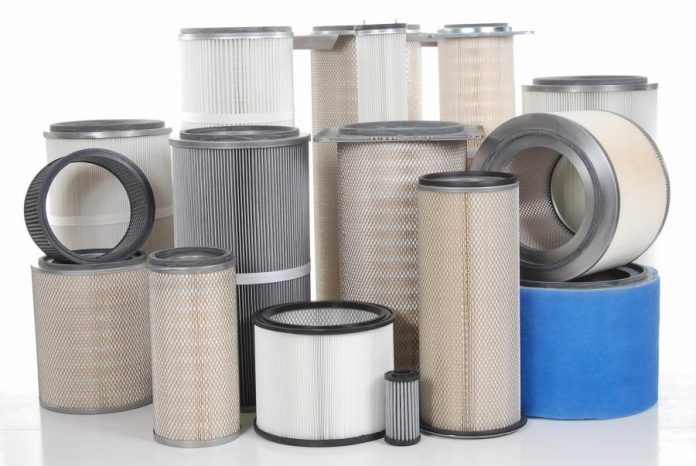
Hydraulic filters play a crucial role in maintaining the cleanliness and efficiency of hydraulic systems. Their primary function is to remove contaminants from the hydraulic fluid, preventing these particles from causing damage to components and reducing the overall performance of the system.
There are several types of hydraulic filters commonly used in different industries, including suction filters, return line filters, pressure line filters, and offline filters. Suction filters are located in the hydraulic reservoir and prevent larger particles from entering the system. Return line filters are placed in the return line to capture contaminants before the fluid returns to the reservoir.

Pressure line filters are installed in the hydraulic circuit to remove particles that can cause damage to sensitive components. Offline filters are used in conjunction with the main filtration system to provide additional cleaning and maintenance capabilities.
When selecting a hydraulic filter, there are several factors to consider. These include the required filtration level, flow rate, pressure rating, compatibility with the hydraulic fluid, and ease of maintenance. It is crucial to choose a filter that meets the specific requirements of the Hydraulic Power Packs to ensure optimal performance and longevity.
-
Importance of Proper Filtration
Proper filtration is essential for the longevity and efficiency of hydraulic systems. Inadequate filtration can lead to a range of consequences, including increased component wear, reduced system efficiency, increased maintenance costs, and even system failure.
Using high-quality hydraulic filters for sale can help prevent these issues. Effective filtration removes contaminants that can cause abrasive wear, reduce the efficiency of valves and actuators, clog or damage control valves, and impair the overall performance of the system. By maintaining clean hydraulic fluid, proper filtration helps extend the lifespan of components, reduce downtime, and improve the overall reliability of the system.
Real-life examples and case studies can illustrate the impact of proper filtration. For instance, in a manufacturing plant, a faulty hydraulic filter caused contamination that resulted in a malfunctioning machine, leading to production delays and costly repairs. In contrast, another manufacturing plant that implemented a robust filtration system experienced improved productivity, reduced maintenance costs, and increased machine uptime.
Hydraulic Filter Solutions for Specific Industries
-
Construction Industry
The construction industry faces unique challenges when it comes to hydraulic system contamination. Construction machinery and equipment often operate in harsh environments, exposed to dirt, dust, moisture, and other contaminants. These particles can enter the hydraulic system and cause wear, clogging, and reduced performance.
To address these challenges, specialised hydraulic filter solutions are available for the construction industry. These filters are designed to withstand the demanding conditions and effectively remove contaminants. Additionally, some construction equipment manufacturers have specific filtration requirements and standards that need to be met to maintain warranty coverage.
-
Manufacturing Industry
The manufacturing industry encompasses various sectors, each with its own filtration requirements. Metalworking processes, such as machining or grinding, generate metal particles that need to be effectively filtered out to prevent damage to components. Plastic injection moulding processes require filtration to remove contaminants that can lead to defective products.
Hydraulic filter solutions tailored to these specific applications are available. These filters are designed to handle the unique challenges posed by metalworking or plastic injection moulding, ensuring optimal performance, extended component life, and improved product quality. Proper filtration in manufacturing plants can also lead to cost savings by reducing maintenance, improving productivity, and minimising downtime.
-
Mining Industry
The mining industry operates in extreme conditions and harsh environments. Mining equipment is exposed to high levels of dust, dirt, and moisture, making effective filtration crucial. Contaminants can cause severe damage to hydraulic systems, resulting in costly repairs and downtime.
Robust hydraulic filter solutions are specifically designed for the mining industry. These filters are built to withstand the demanding conditions and effectively remove contaminants, ensuring the reliability and longevity of hydraulic systems. Safety considerations are also important in mining applications, as proper filtration can help prevent equipment failures that could lead to accidents or injuries.
-
Agriculture Industry
Agricultural machinery and equipment, such as tractors and harvesters, operate in environments with high levels of dirt, dust, crop residues, and other contaminants. These contaminants can enter the hydraulic system and cause wear, clogging, and reduced performance.
Reliable hydraulic filter solutions are available for agricultural equipment. These filters are designed to effectively remove the specific contaminants found in the agriculture industry, ensuring optimal performance, extended component life, and reduced maintenance. Regular filter maintenance and replacement are essential in the agriculture industry to prevent system failure and ensure the longevity of equipment.
-
Maintenance and Troubleshooting Tips
To maintain optimal hydraulic system performance, regular maintenance of hydraulic filters is crucial. General guidelines for maintaining hydraulic filters across different industries include:
- Regularly inspecting filters for signs of wear or damage.
- Cleaning or replacing filters based on recommended intervals or when pressure differentials exceed specified limits.
- Following manufacturer guidelines for filter replacement.
- Properly disposing of used filters in accordance with local regulations.
In terms of troubleshooting, it is important to identify common issues related to clogged or faulty filters. Symptoms of a clogged filter may include increased temperature, reduced system performance, increased noise levels, and erratic operation. If these issues arise, it is important to check the filter for signs of contamination or damage and replace it if necessary.
Conclusion
In conclusion, proper filtration is essential for maintaining optimal hydraulic system performance in various industries. By using high-quality hydraulic filters for sale, industries can prevent component wear, reduce maintenance costs, improve productivity, and increase the overall reliability of hydraulic systems.
Whether in the construction, manufacturing, mining, or agriculture industry, it is crucial to select the right hydraulic filter solutions that meet the specific requirements of the application. Regular maintenance and troubleshooting of hydraulic filters are also important to ensure the longevity and efficiency of hydraulic systems.
Source – https://blogdairy.weebly.com/blog/hydraulic-filter-solutions-for-various-industries


 Hydraulic Cylinder Repair