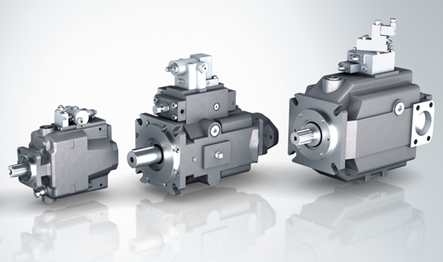
What Hydraulic Oil Should I Use For My Pump?

So, you’ve got a pump in your home. Maybe it’s an aquarium or a pool. Maybe it’s something else. But either way, you know that it’s important to keep everything running smoothly with the right amount of hydraulic oil. But what kind of Hydraulic Oil should I use?

And how do I know if my pump is getting enough/too much?? Well, don’t worry: we’ve got answers to both those questions!

How do I know what oil to use in my pump?

To get started, you’ll need to know the following:

  • The manufacturer’s recommendations for your Hydraulic Pumps. These may be printed on a sticker that is stuck to the base of the pump or in an owner’s manual. If you can’t find this information in either place, contact customer service and ask them what kind of oil each model requires.
  • What your pump is used for? Is it an industrial-grade machine? Or do you use it to operate a lawnmower? This step will help ensure that you don’t choose an oil that isn’t rated high enough for your specific application (and vice versa).
  • Your operating temperature range—usually found on the spec sheet for a given product line or type of hydraulic fluid—will also come into play when determining which formula works best with your equipment.

Hydraulic Oil Filters

How do you know if the oil is too high or low??

To check the oil level, you’ll need to use an oil dipstick. If you don’t have one on hand, they’re pretty cheap and easy to find at any auto parts store.

Once you’ve got your dipstick in hand, follow these steps:

  • Make sure your engine is off and it’s been sitting for at least two hours (this is important because if the oil has been running for a long time it will get hot and expand into a higher level).
  • Place your dipstick into the sump hole and pull it out slowly (you don’t want to splash any excess fluid onto anything important).
  • Look at where the stick stops—if there’s still space above that point on the stick when you pull it out then your hydraulic oil levels are fine; if not then they’re too high or too low depending upon what happened when you pulled out that last bit of fluid.

If you need to add fluid then put the stick back in and allow it to fill up (make sure there’s a mark on your dipstick so you can see how far down it goes). Pull out again—if there’s still space above that point, then you’re good; if not then you’ve added enough.

If you want to use a different brand or type of oil from what’s recommended, you can. But before doing so, make sure your pump is compatible with the new oil. If it isn’t, there’s a chance that the new oil will damage your pump—and if that happens, the results could be costly and dangerous.

Conclusion

If you’re not sure what oil to use in your pump, we recommend that you contact your local hydraulic equipment dealer. They will be able to help you get the right Hydraulic Oil for your pump. You can also check out the website or give us a call if you need any further assistance.

Essential Guide to Hydraulic Filters

Hydraulic filters are a type of media filter that utilizes water pressure to remove particles from the air. Hydraulic Filters For Sale are commonly used in environments with high concentrations of pollution, such as factories, power plants, and traffic congestion. They are also used in residential areas to remove pollutants such as dust mites, smoke, and pet dander.

This essential guide outlines the benefits of using hydraulic filters, their types, how they work, and where they are commonly used.

Benefits of using hydraulic filters

Hydraulic Filters for sale are a great way to improve your water filtration system and improve your health in the process. They’re clean and safe and can remove large particles from the air, which can help improve your health.

There are many different types of Hydraulic Oil on the market, so choose the one that best suits your needs. If you’re looking to upgrade your water filtration system, a hydraulic filter is a great option.

Keep in mind that they’re also a good option for people with allergies or asthma, as they’re clean and safe.

Hydraulic Filters for sale

Types of hydraulic filters

Hydraulic filters are essential for any business or industry that relies on water for operations. They can play a major role in protecting the environment, improving business efficiency, and more.

Each type of filter has its own benefits and should be selected based on the specific needs of your business.

For example, semi-permanent filters are best for short periods of time before needing to be replaced, while disposable filters are best for emergency situations when a quick solution is needed. Permanent filters are the most effective but also the most expensive to operate and maintain.

Make sure to select the right type of Hydraulic Filters for sale for your business, and stay informed about the latest filter technology so you can make the best choices for your operation.

How do hydraulic filters work?

Hydraulic filters are essential in a variety of industries for a number of reasons. Not only do they improve air quality and protect public health, but they can also improve water treatment and production.

The filter media is actually made up of small pores that trap dust, dirt, and other particles. This is done using a high-pressure system, which is why hydraulic filters are often referred to as ‘powerful vacuum cleaners on steroids.’

What are hydraulic filters?

If you’re working with air pollution, or if you need to reduce the number of particles in your liquid pooling system, an hydraulic filter is a great option! Hydraulic filters come in different types and can be tailored to specific applications.

They’re often used in industrial and commercial settings, where they’re essential for SPD (Suspended Particulate Density) Control.

What is SPD, and why is it important?

SPD is the measure of a particular type of particle in the air – small, harmful particles that can cause serious health problems.

By removing these particles, hydraulic filters help to improve air quality and protect the environment. So, if you’re looking to invest in a filter that will help improve your air quality, or if you need to reduce the number of particles in a liquid cooling system, an hydraulic filter is a great option!

Conclusion

Hydraulic filters are essential for protecting the environment and your health. By understanding the benefits of using hydraulic filters, you can make informed decisions about which type of filter is best for your needs. Make sure to read our blog post to learn more about the different types of hydraulic filters and how they work!

Source – https://hyspechydraulicpumps.mystrikingly.com/blog/essential-guide-to-hydraulic-filters

Why are My Hydraulic Pumps Failing? 6 Common Causes

If you’re working with hydraulic pumps, you’re not alone. Hydraulic Pumps are an essential part of today’s machines and equipment, powering everything from your car brakes to the elevator in your building. Because these pumps carry the potential to do so much damage if they fail, it’s important to understand the common causes of failure and what you can do to prevent it from happening again in the future.

Important factors for failure of Hydraulic Pump:

1) Leaking hydraulic oil

A leaking hydraulic oil seal is often an indication of a larger problem with your hydraulic system. The leak can occur in either direction, allowing oil to escape or air to seep into your hydraulic pump. If a valve loses pressure quickly or your hydraulic pump isn’t pumping enough Hydraulic Oil, it could be due to air getting into your system. Either way, it’s important that you fix the problem immediately because an improperly-working system can lead to further damage.

2) Worn seals

Keep a close eye on your hydraulic seals for any sign of wear and tear. Worn-out seals can cause your hydraulic pumps to fail catastrophically, leading to potentially serious safety issues. If you’re unsure if your seals need to be replaced, reach out to a professional.

Hydraulic Pumps

3) Stripped threads

Any engineer will tell you that a crucial part of any design is making sure that all the threads are properly secured. This is because stripped threads can cause a lot of problems down the line, including parts coming loose, vibration and even failure of the entire system. There are a number of ways to prevent stripped threads, including using the correct nut for the application, adding a thread locker and regularly checking for wear and tear. By taking these simple precautions, you can avoid stripped threads and keep your designs running smoothly.

4) Inadequate lubrication

Inadequate lubrication is one of the most common causes of failure for machinery. When metal parts rub together, they generate heat and friction, which can damage the surfaces of the parts and cause them to wear down over time. In order to prevent this from happening, it is important to make sure that all moving parts are properly lubricated. This can be done by using oils, greases, or other lubricants. Additionally, it is important to check the level of lubrication regularly and replenish it as needed. By taking these simple steps, you can help to ensure that your machinery runs smoothly and lasts for a long time.

5) Mechanical Failure

One of the most frustrating things that can happen to a driver is to experience a mechanical failure. Whether it’s a flat tire, a dead battery, or something more serious, mechanical failures can leave us stranded and feeling helpless. However, there are some things we can do to minimize the risk of experiencing a mechanical failure. First, it’s important to perform regular maintenance on our vehicles. This includes things like checking the oil level, inflating the tires to the proper pressure, and making sure all the fluid levels are topped off. By keeping our vehicles in good working order, we can help prevent many common causes of mechanical failures.

6) Incorrect design

Incorrect design is one of the most common causes of failure in engineering projects. There are many ways that incorrect design can lead to failure, but some of the most common include poor load-bearing capacity, inadequate strength, and poor durability. In many cases, incorrect design can be prevented by using proper analysis and testing methods. However, even with these precautions, there can still be problems that arise. When the incorrect design does cause failure, it is important to learn from the experience and take steps to prevent it from happening again in the future. By understanding the causes of failure and taking steps to avoid them, engineers can help to ensure the success of their projects.

Source – https://www.apsense.com/article/why-are-my-hydraulic-pumps-failing-6-common-causes.html