The Role of Solenoid Valves in Hydraulic Control Systems

Welcome to our blog on the role of solenoid valves in hydraulic control systems! If you’ve ever wondered how fluid flow is regulated in hydraulic machinery or methods, you’re in the right place.

Solenoid valves are essential components that are crucial in controlling fluid flow rates and direction in hydraulic systems. In this blog, we will explore Hydraulic Solenoid Valves, the different types available, their importance in hydraulic control systems, typical applications, and more. So, let’s dive right in!

What are Solenoid Valves?

Solenoid valves are electromechanical devices that control the flow of fluids, such as liquids or gases, by opening or closing a valve. They consist of a coil, a plunger, and a valve body.

When an electric current is applied to the coil, it generates a magnetic field that attracts the plunger, causing it to move and open or close the valve. This mechanism allows solenoid valves to regulate the flow of fluids in Hydraulic Power Units.

Types of Solenoid Valves

A. 2-Way Solenoid Valves

2-way solenoid valves, also known as on/off solenoid valves, are the most basic type of solenoid valves. They have two ports, an inlet and an outlet, and control the on/off flow of fluids.

When the valve is energised, the plunger is pulled in, allowing fluid to flow from the inlet to the outlet. When the valve is de-energized, the plunger returns to its original position, blocking the fluid flow.

B. 3-Way Solenoid Valves

3-way solenoid valves have three ports: an inlet, outlet A, and outlet B. They are used to direct fluid flow between different pathways. When the valve is energised, fluid flows from the inlet to outlet A, and when de-energized, it flows from the inlet to outlet B.

These valves are commonly used in applications requiring switching between two fluid pathways.

C. 4-Way Solenoid Valves

4-way solenoid valves have four ports: an inlet, outlet A, outlet B, and an exhaust port. They are used to control fluid flow through multiple directions. When the valve is energised, fluid flows from the inlet to outlet A, and outlet B is connected to the exhaust port.

When de-energized, the connections are reversed, with fluid flowing from the inlet to outlet B and outlet A connected to the exhaust port. These valves are commonly used in applications that require the control of double-acting cylinders or motors.

Importance of Solenoid Valves in Hydraulic Control Systems

A. Precision Control

One of the primary reasons hydraulic solenoid valves are crucial is their ability to provide precise control over fluid flow rates.

By regulating the opening and closing of the valve, the flow rate can be accurately adjusted, ensuring the system operates at the desired levels. This precision control maintains system stability, accuracy, and overall performance.

B. Energy Efficiency

Solenoid valves also play a significantly role in conserving energy in hydraulic control systems. By controlling the flow of fluids, they can minimise unnecessary fluid flow, reducing energy consumption in the process.

For example, solenoid valves can be used to turn the flow on and off in applications where intermittent fluid flow is required, saving energy and reducing operational costs.

C. Reliability and Durability

In demanding hydraulic applications, reliability and durability are paramount. Solenoid valves are designed to withstand harsh conditions, making them suitable for various industries. They are often constructed with high-quality materials and undergo rigorous testing to ensure longevity and performance.

Additionally, industry standards and certifications assure their quality and reliability.

Common Applications of Solenoid Valves

A. Manufacturing and Industrial Processes

Solenoid valves are extensively used in manufacturing and industrial processes involving hydraulic machinery. They control automated assembly lines, robotics, material handling systems, and other hydraulic equipment.

Solenoid valves contribute to efficient and reliable operations in these industries by precisely controlling fluid flow.

B. HVAC Systems

Heating, ventilation, and air conditioning (HVAC) systems rely on solenoid valves to regulate coolant flow, control water supply, or manage refrigerant flow. These valves enable efficient operation of HVAC systems, ensuring optimal temperature control and energy savings.

By controlling the flow of fluids in HVAC applications, solenoid valves contribute to a comfortable indoor environment while minimising energy consumption.

C. Medical Equipment

In the medical field, solenoid valves are essential components in various medical devices and equipment. Anaesthesia machines, fluid delivery systems, and other medical equipment require precise control over liquid flow.

Solenoid valves provide the necessary accuracy and reliability to ensure these devices’ safe and efficient operation, contributing to patient care and well-being.

Conclusion

Solenoid valves play a vital role in hydraulic control systems. Their precise ability to regulate fluid flow rates and direction makes them indispensable components in various industries and applications.

Whether in manufacturing processes, HVAC systems, or medical equipment, hydraulic solenoid valves enable efficient and reliable operation while contributing to energy savings and system stability. The importance of solenoid valves in hydraulic control systems cannot be overstated.

Source – https://www.apsense.com/article/the-role-of-solenoid-valves-in-hydraulic-control-systems.html

Exploring the Top Factors Influencing Hydraulic Pumps for Sale

Hydraulic pumps play a crucial role in various industries, powering machinery and equipment with hydraulic systems. When it comes to purchasing Hydraulic Pumps for Sale, there are several important factors to consider. Making the right choice is essential to ensure optimal performance, efficiency, and reliability.

Explore the top factors that influence the selection of hydraulic pumps:

By understanding these factors, you can make an informed decision and choose the best hydraulic pump for your specific needs. Let’s dive in and explore!

  1. Flow Rate: Matching Pump Capacity with System Requirements

The flow rate is one of the most critical factors to consider when selecting a hydraulic pump. It determines the amount of fluid that the pump can deliver per unit of time. It’s important to match the pump’s flow rate with the requirements of your Hydraulic Power Units System. Choosing a pump with inadequate flow capacity can lead to poor system performance while choosing a pump with excessive flow capacity can result in inefficiency.

  1. Pressure Rating: Handling System Demands

In addition to the flow rate, the pressure rating is another vital consideration. It refers to the maximum pressure that the hydraulic pump can handle. It is crucial to select a pump that can handle the pressure requirements of your hydraulic system. An inadequate pressure rating can lead to pump failure, while an excessive pressure rating may result in unnecessary costs. Carefully assess the pressure demands of your system to choose a pump that can handle them effectively.

  1. System Type: Selecting the Right Pump Design

Different hydraulic systems require different types of pumps. There are various pump designs available, such as gear pumps, vane pumps, and piston pumps. Each design has its own advantages and limitations. Understanding the requirements and characteristics of your system will help you select the most suitable pump design. Consider factors such as system pressure, flow rate, and efficiency to make an informed decision.

  1. Efficiency: Maximising System Performance

Efficiency is a crucial factor in hydraulic systems, as it affects both energy consumption and system performance. Hydraulic pumps vary in their efficiency levels, with some designs offering higher efficiency than others. Choosing an efficient pump can lead to energy savings and improved overall system performance. Consider the pump’s efficiency rating and compare it with other options to make an informed decision.

  1. Noise and Vibration: Ensuring a Smooth and Quiet Operation

Noise and vibration can be significant concerns in hydraulic systems, particularly in applications where noise levels need to be minimised. Some hydraulic pump designs produce more noise and vibration than others. If noise and vibration are critical factors for your application, choose a pump that offers quieter and smoother operation. This will help create a more comfortable and efficient working environment.

  1. Maintenance and Service: Opting for Reliability and Ease of Maintenance

Reliability and ease of maintenance are essential considerations when selecting hydraulic pumps for sale before you make the decision. Choose a pump that is known for its reliability and durability, as unexpected breakdowns can lead to costly downtime. Additionally, consider factors such as accessibility for maintenance and availability of spare parts. Opting for a pump with good after-sales support and a reliable manufacturer can save you time and money in the long run.

  1. Cost: Balancing Quality and Affordability

Cost is always a factor when making a purchasing decision, and hydraulic pumps are no exception. While it’s important to consider your budget, it’s equally important to balance cost with quality and performance. Avoid compromising on quality to save costs, as low-quality pumps may result in frequent breakdowns and higher maintenance expenses. Look for a hydraulic pump that offers a good balance between quality and affordability.

Conclusion:

When it comes to purchasing hydraulic pumps for sale, it’s crucial to consider several factors that can influence the performance, efficiency, and reliability of your hydraulic system. Factors such as flow rate, pressure rating, system type, efficiency, noise and vibration, maintenance and service, and cost should be carefully evaluated.

By understanding these factors and making an informed decision, you can choose the right hydraulic pump that meets the specific requirements of your application. Invest in a high-quality hydraulic pump, and enjoy the benefits of optimal performance and reliability for years to come.

Source – https://hydrauliccylindersaus.blogspot.com/2023/09/exploring-top-factors-influencing.html

5 Easy Ways to Maintain Your Hydraulic Pumps Like a Pro!

Hydraulic pumps play a crucial role in various industries, from construction and manufacturing to agriculture and transportation. These powerful machines are essential for converting mechanical power into hydraulic energy, enabling the smooth operation of a wide range of equipment.

To keep your Hydraulic Pumps running efficiently and extend their lifespan, proper maintenance is key.

Explore five easy ways to maintain your hydraulic pumps like a pro:

  1. Regular Inspection is the Key

Inspecting your hydraulic pumps regularly is the first step in ensuring their optimal performance. Look for any signs of leaks, unusual noises, or changes in performance. Check the fluid levels and quality, as contaminated or insufficient hydraulic fluid can lead to pump failure.

Addressing minor issues early can prevent major breakdowns and save you both time and money in the long run.

  1. Keep It Clean

Maintaining a clean environment around your hydraulic pumps is essential. Dust, dirt, and debris can find their way into the system, causing damage to internal components. Use compressed air or a vacuum to remove any contaminants from the pump’s exterior.

Additionally, make sure to keep the hydraulic fluid clean and free from impurities by using high-quality filters and changing the fluid at recommended intervals.

  1. Lubrication is Vital

Proper lubrication is critical for the smooth operation of hydraulic pumps. Check the manufacturer’s guidelines to ensure you’re using the correct type of lubricant and applying it at the recommended intervals. Insufficient lubrication can lead to increased friction, wear, and even pump failure.

Remember to replace any worn-out parts and seals during routine maintenance to avoid leaks and ensure the pump’s longevity.

  1. Monitor Operating Conditions

Monitoring the operating conditions of your hydraulic pumps can help you detect potential issues early on. Keep an eye on the temperature and pressure levels regularly. Unusual spikes or drops in these parameters can indicate underlying problems.

If your equipment is frequently operating at extreme conditions, consider installing additional cooling or heating systems to maintain a stable environment for your hydraulic pumps.

  1. Train Your Operators

Often overlooked, proper training for your equipment operators is essential for maintaining hydraulic pumps effectively. Make sure your staff understands the importance of regular maintenance and knows how to identify warning signs.

Teach them the correct procedures for handling hydraulic systems, including startup and shutdown routines, to avoid unnecessary strain on the pumps.

Conclusion

Taking care of your hydraulic pumps doesn’t have to be a complex task. By following these five easy ways, you can maintain your hydraulic pumps like a pro!

Regular inspections, cleanliness, lubrication, monitoring, and well-trained operators will ensure your pumps operate smoothly, efficiently, and have a longer lifespan. Remember, preventative maintenance is always more cost-effective than dealing with unexpected breakdowns.

Investing time and effort in maintaining your hydraulic pumps will not only save you money but also boost productivity and minimise downtime in the long run.

So, take charge of your hydraulic pump maintenance today and enjoy the benefits of reliable and efficient equipment for years to come.

Source – https://hydraulic-filter.blogspot.com/2023/08/5-easy-ways-to-maintain-your-hydraulic.html

How Hydraulic Solenoid Valves Enhance System Control and Efficiency

If you’re a tech enthusiast or someone curious about the inner workings of machinery, then you’re in for a treat. In this article, we’ll dive into the world of hydraulic systems and explore the incredible impact solenoid valves bring to these setups.

Get ready to discover how these little powerhouses enhance performance, increase precision, and unlock a whole new efficiency level.

So, buckle up as we take you on an exciting journey through the wonders of hydraulic solenoid valves!

How Solenoid Valves Enhance System Control

Solenoid valves are an essential part of hydraulic systems, providing control over the flow of fluid. By regulating the flow of fluid, solenoid valves can enhance system performance and efficiency.

Solenoid valves work by using an electromagnet to open and close a valve. When the electromagnet is energised, it creates a magnetic field that opens the valve. When the electromagnet is de-energised, the magnetic field is removed and the valve closes. This simple on/off operation allows for precise control over the flow of fluid.

Hydraulic systems rely on fluid pressure to operate. By controlling the flow of fluid with a solenoid valve, you can control the pressure in the system. This can be used to maintain consistent pressure or to make adjustments as needed.

Solenoid valves can also be used to regulate the flow of fluid in multiple directions. This allows you to route fluid through different sections of a system as needed. This can be used to optimise system performance or to troubleshoot issues. For some great options for solenoid valves, you can Visit Website

Solenoid valves are an essential part of hydraulic systems, providing enhanced system control and efficiency.

Applications of Hydraulic Solenoid Valves

Hydraulic solenoid valves have a wide range of applications, from controlling the flow of fluids in hydraulic systems to regulating the pressure and direction of fluid flow. By using hydraulic solenoid valves, manufacturers can create a variety of system designs that offer enhanced control and efficiency.

Some common applications for hydraulic solenoid valves include:

Controlling fluid flow: Hydraulic solenoid valves can be used to control the flow of fluids in hydraulic systems. This includes regulating the pressure and direction of fluid flow. By controlling the flow of fluids, manufacturers can ensure that components are properly lubricated and cooled, and that system pressures are maintained within safe limits.

Regulating fluid pressure: Hydraulic solenoid valves can be used to regulate the pressure of fluid flowing through a system. This is important in ensuring that system components are not damaged by excessive pressure. By regulating fluid pressure, manufacturers can also reduce wear on system components, which can improve system reliability and longevity.

Directing fluid flow: Hydraulic solenoid valves can be used to direct fluid flow in a desired direction. This is important in ensuring that system components are properly lubricated and cooled, and that system pressures are maintained within safe limits. By directing fluid flow, manufacturers can also reduce wear on system components, which can improve system reliability and longevity.

Conclusion

In conclusion, hydraulic solenoid valves are an essential component of any system that needs reliable and precise control. Not only do they provide accurate and consistent fluid flow, but they also improve the efficiency of your system. Additionally, their versatility allows them to be used in a variety of applications ranging from medical to industrial settings. As technology advances, so too will the capabilities of these versatile valves. By staying informed on the latest advancements in hydraulic solenoid valve technology, you can ensure that your systems perform optimally for years to come.

Source – https://businessblogs.joomla.com/how-hydraulic-solenoid-valves-enhance-system-control-and-efficiency.html

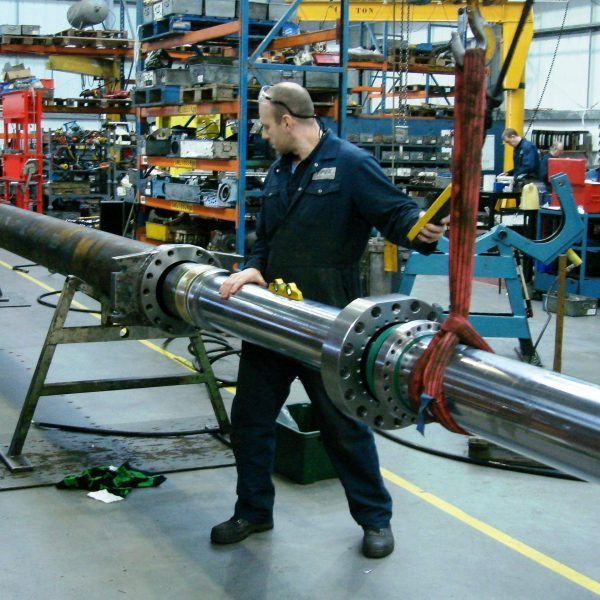
How To Select The Right Hydraulic Cylinder Repair Service?

Hydraulic cylinders are a critical part of many industrial and manufacturing systems, so when it comes time for repair or servicing, you want to make sure that you choose the right company to do the job.

Here are some things to consider before contacting a Hydraulic Cylinder Repair service company:

Does your cylinder need repair or service on-site?

When you need to select a Hydraulic Cylinder Repair Service, it’s important to know whether your cylinder can be repaired on-site or if it needs to be sent off for service. If you are in a hurry and want the work done as quickly as possible, then choosing one that offers on-site repairs is best for you. This will ensure that your machine won’t have any downtime while being repaired.

If however, there isn’t an urgent need for repairing your machine or if there is time available before needing it again then sending it back to its manufacturer could be beneficial depending on whether they offer this option under warranty terms (some do).

Hydraulic Cylinder Repair Service

How much time do you have to get the work done?

The next thing you need to think about is how much time you have to get the work done. If you have a lot of time, then it’s best to select a repair service that is close to your home or office.

If you are in a hurry and need your hydraulic cylinder repaired quickly then select one that is close by your customer so they can pick it up on their way back home after dropping off their vehicle at their location.

The next thing to consider is the cost of the repair service. You want one that will be affordable and won’t cost you an arm and a leg.

The next thing to consider is the experience of the repair shop. You want one that has plenty of experience in Hydraulic Power Units and knows what they are doing. The last thing you want is for them to break something else while repairing your cylinder.

How much are you willing to spend on repairs?

You should also consider the cost of the repair. If you have a small business, it might not be worth paying for expensive repairs if it means putting your company in jeopardy by losing money during downtime.

However, if you’re working on an older machine that’s nearing retirement anyway and needs new parts anyway, then it might make sense to invest in repairing the old one instead of buying something new.

If you’re considering replacing a computer for your business, it’s important to think about what kind of work you do and how much downtime is acceptable. If you’re running a business that relies on uptime, then buying new equipment might be the better option. However, if you’re working on an older machine that’s nearing retirement anyway and needs new parts anyway, then it might make sense to invest in repairing the old one instead of buying something new.

Conclusion

We hope that we have been able to provide you with some useful information about how to select the right Hydraulic Cylinder Repair service.

Why are My Hydraulic Pumps Failing? 6 Common Causes

If you’re working with hydraulic pumps, you’re not alone. Hydraulic Pumps are an essential part of today’s machines and equipment, powering everything from your car brakes to the elevator in your building. Because these pumps carry the potential to do so much damage if they fail, it’s important to understand the common causes of failure and what you can do to prevent it from happening again in the future.

Important factors for failure of Hydraulic Pump:

1) Leaking hydraulic oil

A leaking hydraulic oil seal is often an indication of a larger problem with your hydraulic system. The leak can occur in either direction, allowing oil to escape or air to seep into your hydraulic pump. If a valve loses pressure quickly or your hydraulic pump isn’t pumping enough Hydraulic Oil, it could be due to air getting into your system. Either way, it’s important that you fix the problem immediately because an improperly-working system can lead to further damage.

2) Worn seals

Keep a close eye on your hydraulic seals for any sign of wear and tear. Worn-out seals can cause your hydraulic pumps to fail catastrophically, leading to potentially serious safety issues. If you’re unsure if your seals need to be replaced, reach out to a professional.

Hydraulic Pumps

3) Stripped threads

Any engineer will tell you that a crucial part of any design is making sure that all the threads are properly secured. This is because stripped threads can cause a lot of problems down the line, including parts coming loose, vibration and even failure of the entire system. There are a number of ways to prevent stripped threads, including using the correct nut for the application, adding a thread locker and regularly checking for wear and tear. By taking these simple precautions, you can avoid stripped threads and keep your designs running smoothly.

4) Inadequate lubrication

Inadequate lubrication is one of the most common causes of failure for machinery. When metal parts rub together, they generate heat and friction, which can damage the surfaces of the parts and cause them to wear down over time. In order to prevent this from happening, it is important to make sure that all moving parts are properly lubricated. This can be done by using oils, greases, or other lubricants. Additionally, it is important to check the level of lubrication regularly and replenish it as needed. By taking these simple steps, you can help to ensure that your machinery runs smoothly and lasts for a long time.

5) Mechanical Failure

One of the most frustrating things that can happen to a driver is to experience a mechanical failure. Whether it’s a flat tire, a dead battery, or something more serious, mechanical failures can leave us stranded and feeling helpless. However, there are some things we can do to minimize the risk of experiencing a mechanical failure. First, it’s important to perform regular maintenance on our vehicles. This includes things like checking the oil level, inflating the tires to the proper pressure, and making sure all the fluid levels are topped off. By keeping our vehicles in good working order, we can help prevent many common causes of mechanical failures.

6) Incorrect design

Incorrect design is one of the most common causes of failure in engineering projects. There are many ways that incorrect design can lead to failure, but some of the most common include poor load-bearing capacity, inadequate strength, and poor durability. In many cases, incorrect design can be prevented by using proper analysis and testing methods. However, even with these precautions, there can still be problems that arise. When the incorrect design does cause failure, it is important to learn from the experience and take steps to prevent it from happening again in the future. By understanding the causes of failure and taking steps to avoid them, engineers can help to ensure the success of their projects.

Source – https://www.apsense.com/article/why-are-my-hydraulic-pumps-failing-6-common-causes.html

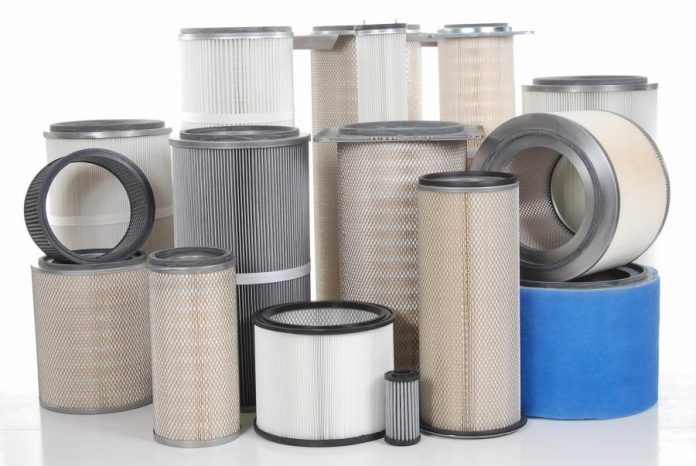
The Importance of Hydraulic Filters For Hydraulic Systems

Hydraulic systems manage the flow of fluids in buildings, roads, streets, and other structures. These systems are connected through joints called joints. In a joint, two or more pieces of equipment connected by a hose have their respective fluids flowing from one source to another. The most important part about Hydraulic Filters is that they help you run clean and draining water wherever you need it.

When you work with a company that understands how hydraulic systems work together, you get great results and efficient operations at an affordable price.

Read on to learn more about hydraulic filters and what they can do for your project.

  • What makes a good hydraulic filter?

One of the most important things to remember about a hydridical system is that it’s designed to work with one and multiple parts. Hydraulic lines are not simply connected by hose, they are also connected by a system that consists of several components and devices. This system is called the joint. The main components of a Hydraulic Power Units are the line, the fittings, and the elements. A line is a piece of equipment connected to the joint and connected to the outside world by some kind of hose. A fitting is a part that helps to connect the line to the joint. A device is also called a component and it helps to support the structure of the joint.

Hydraulic Filter

  • The importance of hydraulic filters in hydraulic systems

When running clean and draining water wherever you need it, you need to know how to properly use a hydraulic filter. In order to reduce the amount of water and oil that can get into the joint, you need to make sure that the amount of water and oil is low. To do this, you need to make sure that the amount of water and oil that is entering the joint is low. Another important thing to remember about a hydridical system is that it’s designed so that it can handle a wide variety of situations. In order to be effective in handling a wide variety of situations, a hydridical system needs to be able to handle a variety of conditions.

  • How to Properly Use a Hydraulic Filter?

One of the most important things you can do to make sure your project runs as smoothly and efficiently as possible is to make sure that you know how to properly use a hydraulic filter. This can be done by looking at the product itself and seeing what it can do for your project. If you look at a hydraulic filter on the website for the company that produces it, you will probably notice that it has a lot of information about how it works, how to use it, and how to prepare for a Hydraulic Line Event. These can be a great source of information if you aren’t used to using them.

Conclusion

A good hydraulic system works with the different equipment types and helps them run cleanly and efficiently. It also reduces the amount of water and oil that gets into the joint from a clean and healthy source.

Source – https://hyspechydraulicpumps.weebly.com/blog/the-importance-of-hydraulic-filters-for-hydraulic-systems

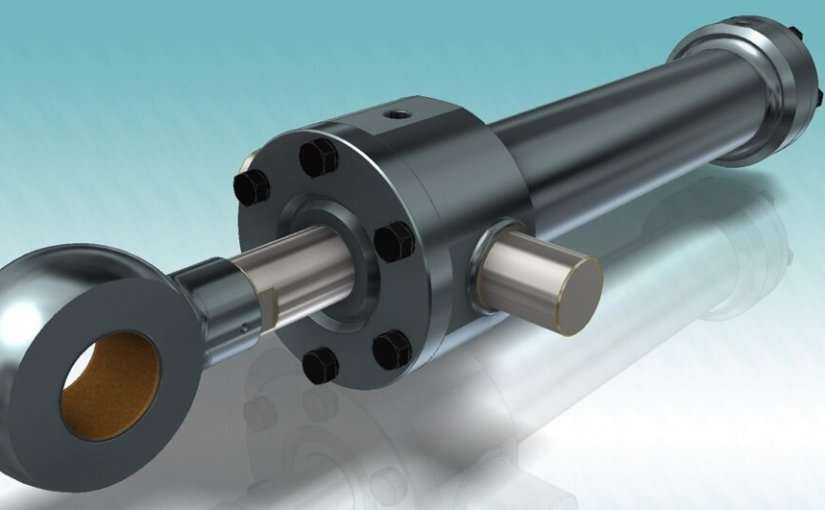
Ways to Eliminate Potential Hydraulic Cylinder Failure

Hydraulic cylinder is essential equipment that you are present of your industry has hydraulic equipment present. Just as any other hydraulic component like Hydraulic Hose With Fittings the cylinder does cost a considerable amount. You sure want to save it from failure or repairs. Yes, you can do it. You need to take care of a variety of aspects to ensure that it does not impact the cylinder in a negative way.

Though the best way to extend the longevity is Hydraulic Cylinder Repair but it would be best if you can eliminate the possibility of failure altogether.

Here are tricks that how you can Eliminate hydraulic cylinder Failure:

Ballooned Tubes

Cylinder barrel distension is usually caused by insufficient wall thickness and/or material strength for the working pressure of the cylinder. When the hose expands, the correct tolerance between the piston seal and the hose wall is lost, allowing high-pressure fluid to bypass the seal. This fast fluid can erode the seal, and the local heating caused by the pressure drop across the piston shortens the life of the seal, ultimately leading to premature failure of the piston seal.

Hydraulic Cylinders

Insufficient Bearing Area

If the surface area of the stuffing box and piston bearing band (wear band) is insufficient to adequately support the lateral pressure transmitted to the cylinder, the rod and piston seals will be exposed to excessive stress. This deforms the seal and ultimately leads to premature failure.

Maintain Hydraulic Seals

In order for a hydraulic cylinder to function properly, it is essential to supply a constant pressure fluid into the hydraulic cylinder. Special seals help create a tight connection between the cylinder and the movable rod. Damaged hydraulic cylinder seals can leak liquid from the cylinder and reduce performance. With proper care of the hydraulic seal, you can easily prevent the seal from leaking. Schedule regular visual inspections of all seals in the Hydraulic Power Packs system. Check for signs of hardening, cracking, or general wear. When storing the hydraulic seal, be careful not to damage it before installing it.

Rod Finish

Another significant reason for cylinder failure is the surface finish of the cylinder rod. The surface finish can have a significant impact on the life of the rod seal. If the surface is smooth, poor lubrication will shorten the seal life. On the other hand, if the surface roughness is too high, the ingress of contaminants will increase, resulting in unacceptable levels of leakage through the rod seal.

Pressure Intensification

In a conventional double-acting cylinder, the effective area, and therefore the force generated by the piston and rod sides of the cylinder, is not equal. Therefore, if the rod side of the cylinder has half the effective area of the piston side, the same pressure will generate half the force of the piston side.

If for some reason the piston side of the double-acting cylinder is pressurized to prevent the fluid from escaping from the rod side, the pressure on the rod side of the cylinder will increase until the forces are balanced or the cylinder is catastrophically damaged. So better ensure to get the Hydraulic Cylinder Repair on time.

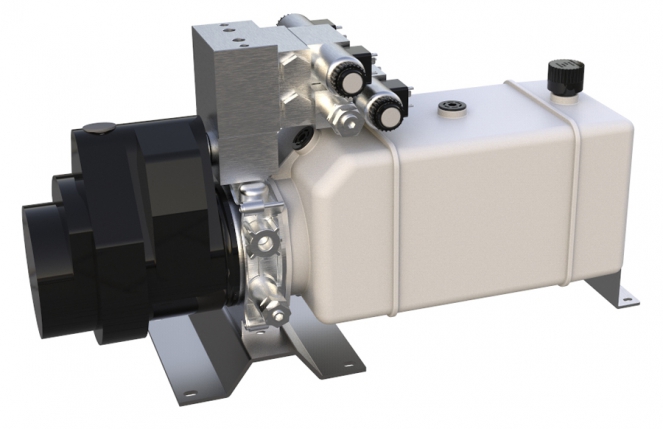
How To Find Choose Hydraulic Power Pack?

Ensuring that your hydraulic equipment, like Hydraulic Solenoid Valves, is working in great condition is not hindered by any of the considerations that you might have overlooked when choosing one. It is necessary to look out for the factors in the first place when you are looking for them.

Do not get intimidated if you are new at it.

Factors that would help you during the choosing process of Hydraulic Power Packs

· Manufacturer’s Reputation

The power pack is the heart of the Hydraulic Cylinder Repair system. If you can’t find a reputable manufacturer, you may have problems with your project. Whether you order custom or standard equipment, it is important to check the manufacturer’s reference and portfolio.

· Energy Efficiency

The energy efficiency of the power supply unit is very important for some applications. It is important to pursue energy efficiency as much as possible, but in some cases, manufacturers give up energy efficiency in order to achieve the desired performance.

The cost of acquiring an energy-efficient power supply unit can be high. However, the cost of execution is low, and the total cost of ownership can be reduced.

Hydraulic Cylinder Repair

· Chemical Compatibility

You need to determine the type of media you are processing through the pump. You need to know more about the chemical composition of the pumped media. You need to know the viscosity of the chemical and the type of solid contained in it. A complete understanding of the physical components of fluid will help you choose the right technology for your project. You can select the correct pump casing by referring to the table of chemical compatibility and checking the properties related to the transport of the medium.

· Power Requirements

It is important to know what needs to be driven and in what order for the hydraulic unit to function. When determining power and power requirements, manufacturers need to take into account the size of the pipeline, the number of drives, capacity, and distance.

Depending on these parameters, the manufacturer can determine if a bespoke hydraulic unit needs to be designed or if a prefabricated unit is sufficient.

· Cost

The cost of hydraulic power packs is often the most important consideration in product manufacturing. You get what you pay for, and there are many low-budget power packs out there, but it’s often worth spending a little more on higher-quality devices. This can save power consumption over the long term and increase reliability.

· Options Apart From Standard Ones

Custom power units may be required depending on the requirements of the project. Standard power pack equipment is available in many variations for the most common applications. However, many OEMs choose a special design, especially for large projects. If you need a large number of power packs, ordering for measurements is as cost-effective as buying standard components, but for small orders, ordering for measurements is more costly. It may take.

Do not forget to incorporate your unique requirements of choosing Hydraulic Power Packs in these considerations as it would enhance the decision making to a great level.

Source – Factors To Look For When Purchasing A Hydraulic Power Pack