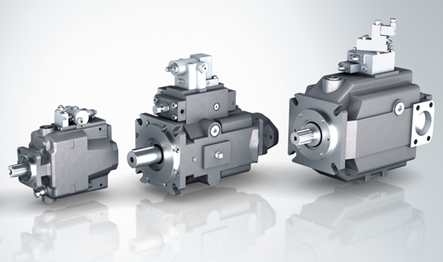
Unleashing Power Exploring the Functionality of Hydraulic Pumps

Hydraulic pumps play a crucial role in powering a wide array of machinery and equipment across various industries. From construction and manufacturing to automotive and agriculture, the functionality of hydraulic pumps is indispensable.

In this blog, we aim to delve into the intricate workings of hydraulic pumps Australia, shedding light on their operation, applications, maintenance, and troubleshooting.

Hydraulic Pumps

Hydraulic pumps are mechanical devices that convert mechanical power into hydraulic energy. They are comprised of basic components such as a reservoir, hydraulic fluid, a pump, and a motor or engine to drive the pump.

The principle behind their operation is based on Pascal’s law, which states that when pressure is applied to a confined fluid, the pressure is transmitted undiminished in all directions. This principle allows hydraulic pumps to transfer energy from one point to another with minimal loss.

Hydraulic pumps come in various types, including gear, vane, and piston pumps, each with its own unique features. Gear pumps, for example, are known for their simplicity and reliability, while vane pumps offer high efficiency and low noise levels.

Piston pumps, on the other hand, provide high power density and precision control. Understanding the different types allows for the selection of the most suitable pump for specific applications.

How Hydraulic Pumps Work

The working mechanism of hydraulic pumps Australia involves a series of phases, including suction, compression, and discharge. During the suction phase, the pump draws in hydraulic fluid from the reservoir. In the compression phase, the fluid is pressurised as it is displaced by the pump.

Finally, in the discharge phase, the pressurised fluid is delivered to the system, enabling the operation of hydraulic actuators or motors.

Hydraulic Pumps

To enhance understanding, illustrative examples or diagrams can be utilized to visually depict the working process of hydraulic pumps. These visual aids provide clarity and insight into the inner workings, making it easier for individuals to grasp the intricacies of hydraulic pump operation. The efficiency and power output of hydraulic pumps are also emphasised, showcasing their ability to deliver high performance in diverse applications.

Applications Across Industries

Hydraulic pumps find extensive applications across various industries, contributing to the functionality of heavy machinery, precision equipment, and complex systems.

In the construction industry, hydraulic pumps power cranes, excavators, and forklifts, enabling the lifting and movement of heavy loads with precision and control. In manufacturing, hydraulic pumps drive presses, injection moulding machines, and other equipment, providing the force necessary for shaping and forming materials.

The automotive industry benefits from the use of hydraulic pumps in power steering systems, transmission systems, and braking systems. This enhances vehicle performance and safety. Moreover, the agricultural sector relies on hydraulic pumps to operate tractors, combine harvesters, and irrigation systems, facilitating efficient and productive farming practices.

Real-world examples further highlight the significance of hydraulic pumps in enabling essential processes and operations across diverse industries.

Maintenance and Troubleshooting Tips

Regular maintenance is essential to prolong the lifespan and ensure the optimal performance of hydraulic pumps.

This includes practices such as checking fluid levels, inspecting for leaks, and replacing filters and seals as needed. Additionally, understanding common issues that may arise, such as fluid contamination or pump inefficiency, is crucial for troubleshooting effectively.

Troubleshooting techniques can involve identifying the root cause of issues, whether it be through visual inspections or diagnostic testing. It’s important to address issues promptly to prevent further damage and maintain the reliability of hydraulic systems.

Recommended resources or professional services can provide valuable support for maintenance and repairs, ensuring that hydraulic pumps continue to operate at their best.

Conclusion

The functionality and versatility of hydraulic pumps Australia make them integral components in a wide range of industries. Their ability to provide precise control, high force output, and reliability is unmatched, contributing to enhanced productivity and efficiency.

We encourage readers to explore further applications and consider implementing hydraulic systems in their operations to experience the benefits firsthand.
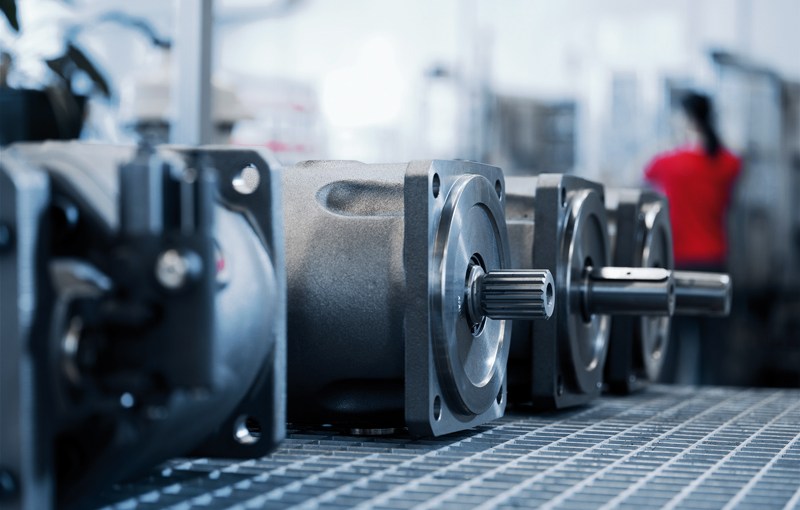
Unlock The Power: Things To Know About Hydraulic Pumps

Have you ever wondered how heavy machinery and equipment are able to effortlessly lift, move, or press with incredible force?

The secret lies in the power of hydraulic pumps. These fascinating devices play a crucial role in various industries, enabling efficient and powerful Hydraulic Pumps Systems For Sale. In this blog post, we’ll dive into the world of hydraulic pumps, exploring their functionality, applications, and why they are so vital in today’s modern world.

Hydraulic pumps are mechanical devices designed to generate flow and pressure within a hydraulic system. They convert mechanical power into hydraulic energy, creating force that can be used to move fluids or operate hydraulic machinery. These pumps are an integral part of hydraulic systems, which are widely utilized in industries such as construction, manufacturing, agriculture, and more.

Hydraulic Pumps

Types of Hydraulic Pumps

Hydraulic pumps come in different types, each offering unique advantages and suited for specific applications. Let’s explore some common types of hydraulic pumps:

  1. Gear Pumps
  • Functionality: Gear pumps utilize meshing gears to create flow. As the gears rotate, they create a vacuum that draws fluid in and then pushes it out under pressure.
  • Advantages: Gear pumps are simple in design, compact, and cost-effective. They are suitable for low to medium pressure applications and provide a consistent flow rate.
  1. Vane Pumps
  • Functionality: Vane pumps feature a rotating impeller with vanes that slide in and out of slots within the pump’s housing. This creates chambers that draw in and expel fluid.
  • Advantages: Vane pumps offer high efficiency, low noise levels, and excellent self-priming capabilities. They are commonly used in medium-pressure Hydraulic Cylinders Systems.
  1. Piston Pumps
  • Functionality: Piston pumps use reciprocating pistons to move fluid. The pistons are driven by a rotating swashplate or an eccentric cam, creating pressure and flow.
  • Advantages: Piston pumps are known for their high efficiency, precision control, and ability to handle high-pressure applications. They are widely used in heavy-duty hydraulic systems.

Applications of Hydraulic Pumps

Hydraulic pumps find extensive use across various industries and applications. Here are some common areas where hydraulic pumps play a crucial role:

  1. Construction and Earthmoving
  • Excavators: Hydraulic pumps power the arm, boom, and bucket movements, allowing excavators to dig and move large quantities of soil or debris.
  • Cranes: Hydraulic pumps enable smooth and precise lifting, extending or retracting the crane’s boom with ease.
  1. Manufacturing and Industrial Processes
  • Machine Tools: Hydraulic pumps provide the force required for metal forming, cutting, and machining operations in industrial settings.
  • Presses: Hydraulic presses utilize pumps to generate immense force for applications like stamping, molding, and assembling.
  1. Automotive and Transportation
  • Vehicle Braking Systems: Hydraulic pumps are integral to hydraulic braking systems, enabling reliable and responsive braking in automobiles.
  • Hydraulic Suspension Systems: Some high-end vehicles employ hydraulic pumps to adjust suspension settings for improved comfort and handling.

Benefits of Hydraulic Pumps

Hydraulic pumps offer several advantages that make them indispensable in various industries:

  • High Power Density: Hydraulic pumps can generate significant force relative to their size, allowing for compact and efficient power transmission.
  • Precise Control: Hydraulic systems equipped with pumps offer precise control over movement and force, making them ideal for applications that require accuracy and responsiveness.
  • Reliability: Hydraulic pumps are known for their durability and reliability, providing consistent performance even in demanding conditions.
  • Versatility: Hydraulic pumps can handle a wide range of fluid viscosities and pressures, making them adaptable to diverse applications.

Conclusion

Hydraulic pumps are the powerhouse behind many industrial operations, enabling the smooth and powerful functionality of hydraulic systems. Whether it’s lifting heavy loads, operating machinery, or providing precise control, hydraulic pumps are at the heart of it all. Their versatility, reliability, and ability to generate immense force make them essential components in numerous industries. So, the next time you witness a construction site in action or experience the smooth braking of a vehicle, remember the incredible power and functionality that hydraulic pumps bring to our modern world.

Source – https://www.atoallinks.com/2023/unlock-the-power-things-to-know-about-hydraulic-pumps/

Why are My Hydraulic Pumps Failing? 6 Common Causes

If you’re working with hydraulic pumps, you’re not alone. Hydraulic Pumps are an essential part of today’s machines and equipment, powering everything from your car brakes to the elevator in your building. Because these pumps carry the potential to do so much damage if they fail, it’s important to understand the common causes of failure and what you can do to prevent it from happening again in the future.

Important factors for failure of Hydraulic Pump:

1) Leaking hydraulic oil

A leaking hydraulic oil seal is often an indication of a larger problem with your hydraulic system. The leak can occur in either direction, allowing oil to escape or air to seep into your hydraulic pump. If a valve loses pressure quickly or your hydraulic pump isn’t pumping enough Hydraulic Oil, it could be due to air getting into your system. Either way, it’s important that you fix the problem immediately because an improperly-working system can lead to further damage.

2) Worn seals

Keep a close eye on your hydraulic seals for any sign of wear and tear. Worn-out seals can cause your hydraulic pumps to fail catastrophically, leading to potentially serious safety issues. If you’re unsure if your seals need to be replaced, reach out to a professional.

Hydraulic Pumps

3) Stripped threads

Any engineer will tell you that a crucial part of any design is making sure that all the threads are properly secured. This is because stripped threads can cause a lot of problems down the line, including parts coming loose, vibration and even failure of the entire system. There are a number of ways to prevent stripped threads, including using the correct nut for the application, adding a thread locker and regularly checking for wear and tear. By taking these simple precautions, you can avoid stripped threads and keep your designs running smoothly.

4) Inadequate lubrication

Inadequate lubrication is one of the most common causes of failure for machinery. When metal parts rub together, they generate heat and friction, which can damage the surfaces of the parts and cause them to wear down over time. In order to prevent this from happening, it is important to make sure that all moving parts are properly lubricated. This can be done by using oils, greases, or other lubricants. Additionally, it is important to check the level of lubrication regularly and replenish it as needed. By taking these simple steps, you can help to ensure that your machinery runs smoothly and lasts for a long time.

5) Mechanical Failure

One of the most frustrating things that can happen to a driver is to experience a mechanical failure. Whether it’s a flat tire, a dead battery, or something more serious, mechanical failures can leave us stranded and feeling helpless. However, there are some things we can do to minimize the risk of experiencing a mechanical failure. First, it’s important to perform regular maintenance on our vehicles. This includes things like checking the oil level, inflating the tires to the proper pressure, and making sure all the fluid levels are topped off. By keeping our vehicles in good working order, we can help prevent many common causes of mechanical failures.

6) Incorrect design

Incorrect design is one of the most common causes of failure in engineering projects. There are many ways that incorrect design can lead to failure, but some of the most common include poor load-bearing capacity, inadequate strength, and poor durability. In many cases, incorrect design can be prevented by using proper analysis and testing methods. However, even with these precautions, there can still be problems that arise. When the incorrect design does cause failure, it is important to learn from the experience and take steps to prevent it from happening again in the future. By understanding the causes of failure and taking steps to avoid them, engineers can help to ensure the success of their projects.

Source – https://www.apsense.com/article/why-are-my-hydraulic-pumps-failing-6-common-causes.html