Optimising Machinery Operations with the Best Quality Hydraulic Solenoid Valves

In the realm of industrial machinery, efficiency and precision are paramount. One crucial component that plays a significant role in achieving optimal performance is the hydraulic solenoid valve. These valves are essential for controlling the flow of hydraulic fluid within machinery, influencing its overall functionality and reliability. In this blog post, we will explore how integrating the Best Quality Hydraulic Solenoid Valves can elevate machinery operations and drive productivity.

Understanding the Role of Hydraulic Solenoid Valves

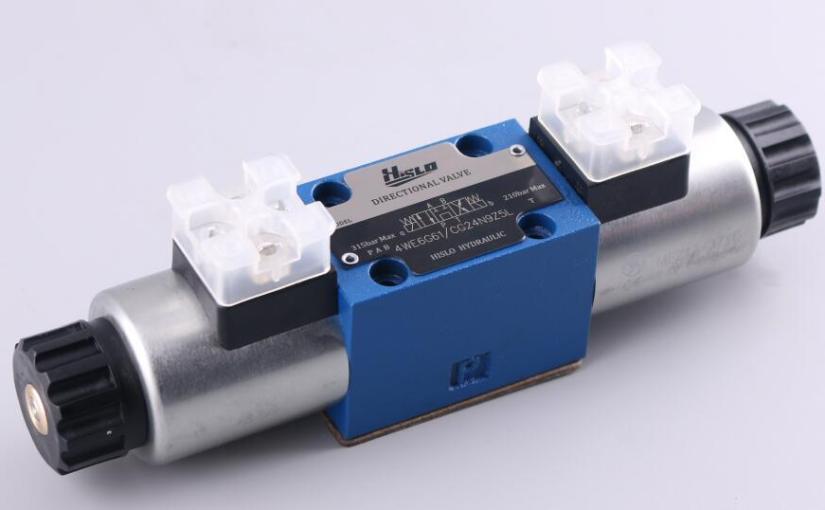
At the core of hydraulic systems, solenoid valves act as the gateway for regulating fluid flow. By utilising electromagnetic principles, these valves can open or close to control the passage of hydraulic fluid, thereby dictating the movement and operation of various components within machinery. Their adaptability and responsiveness make them indispensable for a wide array of industrial applications.

Enhanced Performance and Precision

The integration of high-quality hydraulic solenoid valves translates to enhanced precision and performance. With precise control over fluid flow, machinery can operate with heightened accuracy and consistency, leading to improved production output and quality. The responsiveness of these valves enables machinery to swiftly adapt to changing operational requirements, ensuring seamless functionality.
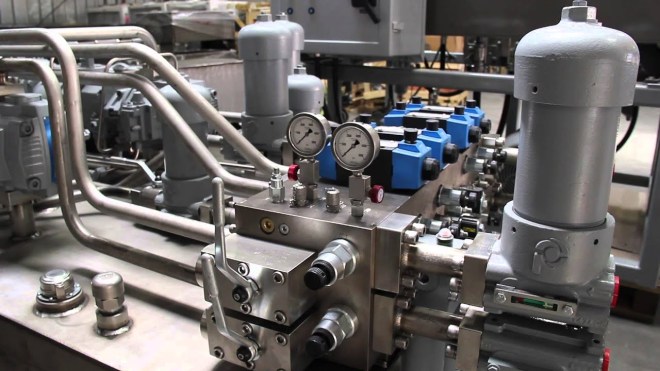
Hydraulic Industries

Reliability and Durability

Reliable machinery operations are imperative for sustained productivity in industrial settings. The utilisation of the best quality hydraulic solenoid valves contributes to the overall reliability of machinery systems. These valves are engineered to withstand demanding conditions, exhibiting durability and longevity even in challenging environments. Their robust construction and design make them a dependable asset in industrial settings.

Customised Solutions for Diverse Applications

The best quality hydraulic solenoid valves offer a spectrum of customisation options, allowing for tailored solutions to suit diverse operational needs. Whether it involves specific fluid viscosities, pressure requirements, or operational temperatures, these valves can be configured to precisely match the demands of various machinery applications. This versatility enables optimised performance across a wide range of industrial processes.

Efficiency and Energy Conservation

Efficiency is a driving force in modern industrial operations. By utilising advanced hydraulic solenoid valves, machinery can operate with increased energy efficiency. These valves enable precise control over fluid flow, minimising unnecessary energy consumption and optimising the overall operational efficiency of machinery, ultimately leading to cost savings and reduced environmental impact.

Streamlined Maintenance and Operation

The incorporation of the best quality hydraulic solenoid valves facilitates streamlined maintenance and operation of machinery. Their robust design and reliability result in reduced downtime and maintenance requirements, allowing for uninterrupted production cycles. Additionally, the precise control afforded by these valves contributes to smoother machinery operation, reducing the likelihood of performance-related issues.

Adaptability to Industry 4.0

As industries embrace the era of digitalisation and automation, the integration of advanced hydraulic solenoid valves aligns with the principles of Industry 4.0. These valves can seamlessly integrate with smart machinery systems, enabling real-time monitoring, automation, and remote control capabilities. Such adaptability positions industrial operations at the forefront of technological innovation.

Conclusion

In conclusion, the integration of the best quality hydraulic solenoid valves represents a pivotal investment in optimising machinery operations. From precision and reliability to energy efficiency and adaptability, these valves serve as indispensable components for enhancing industrial performance. By leveraging the capabilities of advanced hydraulic solenoid valves, businesses can usher in a new era of operational excellence and productivity, ensuring a competitive edge in the modern industrial landscape.

By recognising the profound impact of hydraulic solenoid valves and embracing their potential, businesses can elevate their machinery operations to new heights, setting the stage for sustained growth and success.
The Role of Solenoid Valves in Hydraulic Control Systems

Welcome to our blog on the role of solenoid valves in hydraulic control systems! If you’ve ever wondered how fluid flow is regulated in hydraulic machinery or methods, you’re in the right place.

Solenoid valves are essential components that are crucial in controlling fluid flow rates and direction in hydraulic systems. In this blog, we will explore Hydraulic Solenoid Valves, the different types available, their importance in hydraulic control systems, typical applications, and more. So, let’s dive right in!

What are Solenoid Valves?

Solenoid valves are electromechanical devices that control the flow of fluids, such as liquids or gases, by opening or closing a valve. They consist of a coil, a plunger, and a valve body.

When an electric current is applied to the coil, it generates a magnetic field that attracts the plunger, causing it to move and open or close the valve. This mechanism allows solenoid valves to regulate the flow of fluids in Hydraulic Power Units.

Types of Solenoid Valves

A. 2-Way Solenoid Valves

2-way solenoid valves, also known as on/off solenoid valves, are the most basic type of solenoid valves. They have two ports, an inlet and an outlet, and control the on/off flow of fluids.

When the valve is energised, the plunger is pulled in, allowing fluid to flow from the inlet to the outlet. When the valve is de-energized, the plunger returns to its original position, blocking the fluid flow.

B. 3-Way Solenoid Valves

3-way solenoid valves have three ports: an inlet, outlet A, and outlet B. They are used to direct fluid flow between different pathways. When the valve is energised, fluid flows from the inlet to outlet A, and when de-energized, it flows from the inlet to outlet B.

These valves are commonly used in applications requiring switching between two fluid pathways.

C. 4-Way Solenoid Valves

4-way solenoid valves have four ports: an inlet, outlet A, outlet B, and an exhaust port. They are used to control fluid flow through multiple directions. When the valve is energised, fluid flows from the inlet to outlet A, and outlet B is connected to the exhaust port.

When de-energized, the connections are reversed, with fluid flowing from the inlet to outlet B and outlet A connected to the exhaust port. These valves are commonly used in applications that require the control of double-acting cylinders or motors.

Importance of Solenoid Valves in Hydraulic Control Systems

A. Precision Control

One of the primary reasons hydraulic solenoid valves are crucial is their ability to provide precise control over fluid flow rates.

By regulating the opening and closing of the valve, the flow rate can be accurately adjusted, ensuring the system operates at the desired levels. This precision control maintains system stability, accuracy, and overall performance.

B. Energy Efficiency

Solenoid valves also play a significantly role in conserving energy in hydraulic control systems. By controlling the flow of fluids, they can minimise unnecessary fluid flow, reducing energy consumption in the process.

For example, solenoid valves can be used to turn the flow on and off in applications where intermittent fluid flow is required, saving energy and reducing operational costs.

C. Reliability and Durability

In demanding hydraulic applications, reliability and durability are paramount. Solenoid valves are designed to withstand harsh conditions, making them suitable for various industries. They are often constructed with high-quality materials and undergo rigorous testing to ensure longevity and performance.

Additionally, industry standards and certifications assure their quality and reliability.

Common Applications of Solenoid Valves

A. Manufacturing and Industrial Processes

Solenoid valves are extensively used in manufacturing and industrial processes involving hydraulic machinery. They control automated assembly lines, robotics, material handling systems, and other hydraulic equipment.

Solenoid valves contribute to efficient and reliable operations in these industries by precisely controlling fluid flow.

B. HVAC Systems

Heating, ventilation, and air conditioning (HVAC) systems rely on solenoid valves to regulate coolant flow, control water supply, or manage refrigerant flow. These valves enable efficient operation of HVAC systems, ensuring optimal temperature control and energy savings.

By controlling the flow of fluids in HVAC applications, solenoid valves contribute to a comfortable indoor environment while minimising energy consumption.

C. Medical Equipment

In the medical field, solenoid valves are essential components in various medical devices and equipment. Anaesthesia machines, fluid delivery systems, and other medical equipment require precise control over liquid flow.

Solenoid valves provide the necessary accuracy and reliability to ensure these devices’ safe and efficient operation, contributing to patient care and well-being.

Conclusion

Solenoid valves play a vital role in hydraulic control systems. Their precise ability to regulate fluid flow rates and direction makes them indispensable components in various industries and applications.

Whether in manufacturing processes, HVAC systems, or medical equipment, hydraulic solenoid valves enable efficient and reliable operation while contributing to energy savings and system stability. The importance of solenoid valves in hydraulic control systems cannot be overstated.

Source – https://www.apsense.com/article/the-role-of-solenoid-valves-in-hydraulic-control-systems.html

How Hydraulic Solenoid Valves Enhance System Control and Efficiency

If you’re a tech enthusiast or someone curious about the inner workings of machinery, then you’re in for a treat. In this article, we’ll dive into the world of hydraulic systems and explore the incredible impact solenoid valves bring to these setups.

Get ready to discover how these little powerhouses enhance performance, increase precision, and unlock a whole new efficiency level.

So, buckle up as we take you on an exciting journey through the wonders of hydraulic solenoid valves!

How Solenoid Valves Enhance System Control

Solenoid valves are an essential part of hydraulic systems, providing control over the flow of fluid. By regulating the flow of fluid, solenoid valves can enhance system performance and efficiency.

Solenoid valves work by using an electromagnet to open and close a valve. When the electromagnet is energised, it creates a magnetic field that opens the valve. When the electromagnet is de-energised, the magnetic field is removed and the valve closes. This simple on/off operation allows for precise control over the flow of fluid.

Hydraulic systems rely on fluid pressure to operate. By controlling the flow of fluid with a solenoid valve, you can control the pressure in the system. This can be used to maintain consistent pressure or to make adjustments as needed.

Solenoid valves can also be used to regulate the flow of fluid in multiple directions. This allows you to route fluid through different sections of a system as needed. This can be used to optimise system performance or to troubleshoot issues. For some great options for solenoid valves, you can Visit Website

Solenoid valves are an essential part of hydraulic systems, providing enhanced system control and efficiency.

Applications of Hydraulic Solenoid Valves

Hydraulic solenoid valves have a wide range of applications, from controlling the flow of fluids in hydraulic systems to regulating the pressure and direction of fluid flow. By using hydraulic solenoid valves, manufacturers can create a variety of system designs that offer enhanced control and efficiency.

Some common applications for hydraulic solenoid valves include:

Controlling fluid flow: Hydraulic solenoid valves can be used to control the flow of fluids in hydraulic systems. This includes regulating the pressure and direction of fluid flow. By controlling the flow of fluids, manufacturers can ensure that components are properly lubricated and cooled, and that system pressures are maintained within safe limits.

Regulating fluid pressure: Hydraulic solenoid valves can be used to regulate the pressure of fluid flowing through a system. This is important in ensuring that system components are not damaged by excessive pressure. By regulating fluid pressure, manufacturers can also reduce wear on system components, which can improve system reliability and longevity.

Directing fluid flow: Hydraulic solenoid valves can be used to direct fluid flow in a desired direction. This is important in ensuring that system components are properly lubricated and cooled, and that system pressures are maintained within safe limits. By directing fluid flow, manufacturers can also reduce wear on system components, which can improve system reliability and longevity.

Conclusion

In conclusion, hydraulic solenoid valves are an essential component of any system that needs reliable and precise control. Not only do they provide accurate and consistent fluid flow, but they also improve the efficiency of your system. Additionally, their versatility allows them to be used in a variety of applications ranging from medical to industrial settings. As technology advances, so too will the capabilities of these versatile valves. By staying informed on the latest advancements in hydraulic solenoid valve technology, you can ensure that your systems perform optimally for years to come.

Source – https://businessblogs.joomla.com/how-hydraulic-solenoid-valves-enhance-system-control-and-efficiency.html

Why Is It Essential To Buy Best Hydraulic Solenoid Valves?

Hydraulic solenoid valves are used to control the flow of fluid through a hydraulic system. They are available in various types and sizes, with each type being suited for different applications. 

Best quality Hydraulic Solenoid Valves can be used in industrial tools such as cranes, lifts, forklifts, presses and other equipment that relies on hydraulics. The use of these valves ensures safety during operation as they provide protection against damage caused by overloading or under-pressurization of their components.

What All Are the Various Types of Hydraulic Solenoid Valves?

The various types of solenoid valves are as follows:

  • Check valves: These are used to prevent flow in the direction which is opposite to the intended one.
  • Pressure relief valves: These allow oil or gas out of an enclosure when internal pressure reaches a specified level beyond which it cannot be contained any more.
  • Temperature relief valve: This releases fluid when its temperature rises beyond a certain limit, preventing overheating damage to equipment and other items.

Pressure and temperature relief valves are used in a variety of industries, including oil and gas, water treatment facilities, chemical plants and more. They prevent equipment failure and damage by releasing excess pressure or heat that cannot be contained any more.

The valves are used in a variety of ways and industries, including oil and gas, water treatment facilities, chemical plants and more. They prevent equipment failure and damage by releasing excess pressure or heat that cannot be contained any more.

Other Considerations and Tips for Purchasing Quality Solenoid Valves

You should also be sure that the company you purchase from is reliable and trustworthy. They should have a good reputation to back up their products, as well as excellent customer service. The best way to ensure that you’re purchasing quality solenoid valves is to buy them from a trusted supplier.

It’s also important to make sure that the company offers a warranty policy, so that if anything goes wrong with your product within a reasonable amount of time after purchase (usually around 30 days), they will replace or repair it free of charge.

Where to Buy the Best Hydraulic Solenoid Valves from?

When you are buying solenoid valves, it is important to buy them from a reputable supplier. This can help you avoid scams and counterfeits. You should also check the quality of the solenoid valves to ensure they are not faulty or damaged.

You should ask for recommendations from your family and friends who have bought hydraulic components in the past so that you can get an idea of what type of products they would recommend. This can help narrow down your options when searching for these products online.

When purchasing your new solenoid valve, make sure that it comes with a warranty and return policy so that if there are any problems with your order, then you will be able to receive a full refund or exchange without any hassle!

Conclusion

We hope that this article has helped you understand the importance of buying Best Hydraulic Solenoid Valves. In case you are looking for some good options in the market, we recommend to take references.

Why Choosing the Right Hydraulic Solenoid Valve is Important?

The Best Hydraulic Solenoid Valve is an electromechanically operated valve. Solenoid valves are used to control the flow of fluid within a hydraulic system. The heart of any hydraulic system is the pump which generates flow and pressure. The purpose of a solenoid valve is to direct, start, and stop this flow using electrical signals.

There are many different types of hydraulic solenoid valves available on the market, so it is important to choose the right valve for your particular application. This blog post will provide an overview of the different types of valves and offer some tips on how to select the right one for your needs.

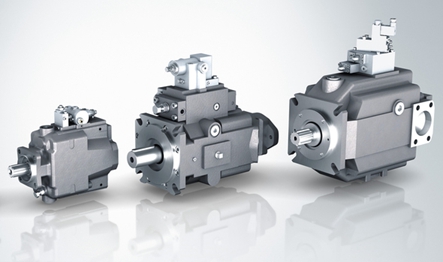
Hydraulic Pump

Types of Hydraulic Solenoid Valves

Best Hydraulic Solenoid Valves can be classified in a number of ways, including by function, structure, and material. The most common classification is by function, which includes directional control valves, pressure control valves, and flows control valves.

– Directional Control Valves

Directional control valves are the most common type of valve used in hydraulic systems. They are used to direct fluid flow into different channels. The most common type of directional control valve is the 4/2-way valve, which has four ports and two possible positions. The 4/2-way valve can be normally open or normally closed.

– Pressure Control Valves

Pressure control valves are used to maintain constant pressure in the system regardless of changes in load or flow rate. Two common types of pressure control valves are relief valves and sequence valves. Relief valves are used to protect the system from excessive pressures by relieving excess fluid back to the tank when the preset pressure is exceeded. Sequence valves are used to activate cylinders in a specific order by controlling the flow of fluid to each cylinder.

How to Select Hydraulic Solenoid Valves?

Blog Introduction: Hydraulic solenoid valves are an important part of hydraulic systems. They are used to control the flow of hydraulic fluid and they come in a variety of shapes and sizes. So, how do you select the right hydraulic solenoid valve for your system? Here are four factors to consider.

Size

The first factor you need to consider is size. Hydraulic solenoid valves come in a range of sizes, from small valves that can handle a few liters per minute to large valves that can handle hundreds of liters per minute. It’s important to select a size that is appropriate for your system; if you select a valve that is too small, it will become overloaded and may fail. If you select a valve that is too large, it will be inefficient and MAY cause damage to your system.

Pressure

The second factor you need to consider is pressure. Hydraulic solenoid valves are rated for different maximum pressures. You need to make sure that the valve you select can withstand the pressure in your system; if the valve is not rated for high enough pressure, it will fail.

Temperature

The third factor you need to consider is temperature. Some hydraulic solenoid valves are designed to operate at high temperatures, while others are designed to operate at low temperatures. You need to make sure that the valve you select can withstand the temperature extremes in your system; if the valve is not rated for high enough temperature, it will fail.

Media

The fourth factor you need to consider is the media. Hydraulic solenoid valves are designed to work with different types of hydraulic fluids; some are compatible with oil-based fluids, while others are compatible with water-based fluids. You need to make sure that the valve you select is compatible with the type of fluid you’ll be using; if the valve is not compatible with your fluid, it will fail.

Conclusion:

There are a lot of factors to consider when selecting hydraulic solenoid valves. Size, pressure, temperature, and media compatibility are all important factors that will affect the performance of your system. Make sure to do your research and select a valve that is appropriate for your application.

Source – https://www.apsense.com/article/why-choosing-the-right-hydraulic-solenoid-valve-is-important.html

Hydraulic Solenoid Valves: All Facts You Need To Know

Hydraulic Solenoid Valves are a type of actuator that opens up or closes depending on the flow of electrical current through them.

They are most commonly used in industrial applications, where they can control the movement and flow of fluids, gases and sometimes even slurries from one place to another.

Essentially, they allow you to control the direction that your fluid is moving in by using an input signal (such as an electric current) as opposed to having a simple mechanical switch at each location where fluid needs to be controlled.

What are solenoid valves?

A solenoid valve is a type of valve that uses electromagnetic force to control the flow of fluids or gases. This makes them useful in situations where you’d like to be able to turn on and off an application remotely, without having to manually operate something like an air compressor motor or fan.

Because they’re not as complicated as other types of valves (like butterfly valves), solenoid valves tend to be fairly inexpensive and easy to use.

Hydraulic Filters for sale

They’re also fairly easy to install: all you need are some basic tools and some electrical components that you can easily find at your local hardware store or online—and some wiring skills!

If your Hydraulic Filters System requires a large amount of power, though, then using solenoid valves may not be for you—they don’t have as much torque output compared with other types of valves because they’re just so simple!

How do solenoid valves work?

Solenoid valves are used in many industries, including automotive, aerospace and medical. They are used to control the flow of fluids (liquid or gas) by electromagnetic means.

A solenoid valve is basically a mechanical switch that uses an electrical current to open or close a valve when a magnetic field is applied to it.

When power is off, the spring returns the plug to its original position to prevent any leakage from occurring at its seat when there’s no pressure on it (such as during maintenance).

Types of solenoid valves.

There are five types of solenoid valves, each with its own unique applications:

  • These can be used in any type of hydraulic control system. They consist of a three-way valve and two solenoids that work together to control the flow of fluid through the system.
  • When one of these is energised, it allows fluid to pass through; when both are energised, no fluid passes through.
  • Used for directional control applications, this device has an input port and an output port with a single inlet/outlet port between them. When one or more solenoids are activated, they act as directional controls by allowing or restricting flow from one point (the input) to another (the output).

Conclusion

Hydraulic Solenoid Valves are great for a variety of applications. They can be used in a wide range of industries, including industrial, agricultural and transportation.

The types of solenoid valves available are numerous and include pneumatic types that use air pressure to actuate them as well as electronic ones controlled by an electric signal.

These devices can be found in everything from cars to airplanes!

We hope this article has helped you understand the different types of solenoids on offer and how they work so that you feel confident when purchasing one for your next project.

Source – http://baileypowell.authpad.com/hydraulic-solenoid-valves-all-facts-you-need-to-know

How To Troubleshoot Hydraulic Solenoid Valve Problems?

Hydraulic Solenoid Valves are sturdy and dependable and, if hooked up and maintained efficiently, can offer a few years of service. In this blog we are able to examine steps that may be taken to assist enlarge the existence of your solenoid valve and preserve it working at ideal performance. We can even examine the way to identify, solve and save you troubles with Hydraulic Cylinder Repair.

Here are ways to troubleshoot Hydraulic Solenoid Valves problems.

Solenoid Valve Not Opening

Possible reasons consist of loss of electricity in the solenoid coil, burnt coil, incorrect voltage, strain differences (too excessive or too low), and dust of the membrane, valve seat, or tube. It also can be because of a crucial part of the solenoid valve lacking or being broken.

Before trying to repair the problem, decide the kind of solenoid valve you have. It will be a typically open or typically closed solenoid valve. Also, if it’s a directing performing or pilot operated type.

Hydraulic Solenoid Valves

Coil burned out, melted or bloodless with electricity on

Check if the electricity delivery is accurate and the coil can deplete warmth via way of means of airflow. Install a brand new coil and in no way electricity the coil while now no longer installed at the valve.

Check for moisture inside and update if necessary. Replace any broken or bent armatures as well, and test media compatibility together along with your valve. Don’t neglect to transport solenoid valves into cooler regions or you can boom airflow around valves and coil.

Valve Failure

Hydraulic Cylinders Valve failure may be prevented if the valve is hooked up and maintained efficiently and is operated in the limits of the specifications. Identifying the foundation purpose of a failure may be hard as various things can be concerned however the following may be used as a guide.

Exceeding the strain score of the solenoid valve can purpose harm to the valve additives. Tears in the diaphragm are commonly a demonstration of overstrain. In severe instances, immoderate strain can purpose harm to the valve frame and armature tube assembly. Pilot operated and assisted raise valves even have a minimal strain score that desires to be met for the valve to function.

Deformation of diaphragms, seals and o-earrings may be resulting from both the media temperature and the ambient temperature being out of doors the required temperature variety of the valve. Discolouration of additives may imply that the temperature score has been exceeded.

Solenoid Valve Noise

Buzzing sound is usually an everyday prevalent while alternating cutting-edge flows in the coil windings. In a few instances, the encompassing elements of the Hydraulic Solenoid Valves choose up the noise and purpose it to amplify.

Reduce the media pace via way of means of growing the diameter of the piping. You also can use a sluggish performing valve which includes a ball valve. That’s is due to the fact water hammer regularly consequences from valves with quick reaction times. Alternatively, you could make use of a water hammer arrestor to lessen the noise. It may be resulting from free additives resonating to the low hum of the solenoid coil.

Source – Way to Troubleshoot Hydraulic Solenoid Valve Problems